
Jitters: Coffee vs. Energy Drinks Explained
Quick Answer
- Coffee’s jitters often come from caffeine, but also other compounds like chlorogenic acids that can affect blood sugar.
- Energy drinks typically contain higher, more concentrated doses of caffeine, often with added stimulants and sugars.
- The delivery of caffeine and other ingredients differs; energy drinks might have faster absorption rates.
- Individual sensitivity to caffeine and other coffee components plays a significant role.
- Sugar in energy drinks can create a quick energy spike followed by a crash, which feels different from coffee’s effects.
- The overall chemical makeup and how your body processes them are key to understanding the difference in jitters.
Key Terms and Definitions
- Caffeine: A natural stimulant found in coffee beans and many other plants, known for its effect on the central nervous system.
- Jitters: A feeling of nervousness, restlessness, or trembling, often associated with stimulant consumption.
- Chlorogenic Acids: Compounds found in coffee that can influence blood sugar levels and have antioxidant properties.
- Synephrine: A stimulant sometimes found in energy drinks, chemically similar to ephedrine.
- Guarana: A plant native to the Amazon basin, containing a higher concentration of caffeine than coffee beans.
- Taurine: An amino acid found naturally in the body and in some foods, often added to energy drinks.
- Blood Sugar Spike: A rapid increase in glucose levels in the bloodstream, often caused by consuming sugary foods or drinks.
- Adenosine: A neurotransmitter that promotes relaxation and sleepiness; caffeine blocks its effects.
- Central Nervous System (CNS): The brain and spinal cord, which caffeine and other stimulants affect.
- Metabolism: The chemical processes that occur within a living organism in order to maintain life.
For those looking to precisely control their caffeine intake, consider caffeine supplements. They offer a straightforward way to get a specific dose without the other compounds found in coffee or energy drinks.
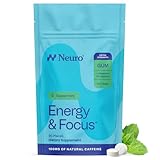
- Fast-Acting Nootropic - Our energy supplements deliver an extra boost of energy and clarity with a blend of natural caffeine, L-theanine, and vitamin b6 & b12. Your go-to chewing gum for work, exercise, and daily focus!
- Clean Energy - Each piece of our sugar free gum delivers 100mg of natural caffeine from green coffee beans for a smooth energy boost without crashes or jitters.
- The Perfect Balance - With 60mg of L-theanine per piece, our energy and focus formula promotes enhanced focus and stress reduction to smooth energy boosts.
- How to Use - Chew one piece of the caffeine gum whenever focus or energy is lacking. Ideal for mornings, pre-workout, or afternoon slumps. Effects typically kick in within minutes thanks to optimal absorption through the mouth.
- Made by Neuro, Backed by Science - At Neuro, we combine neuroscience with clean, science backed ingredients to help you do more, think better, and feel your best every single day.
How Coffee Makes You Feel
- Caffeine Absorption: When you drink coffee, caffeine is absorbed into your bloodstream, primarily through your stomach and small intestine. This process typically takes about 15-45 minutes to reach peak levels.
- Adenosine Blockade: Caffeine’s primary mechanism is blocking adenosine receptors in your brain. Adenosine signals fatigue; by blocking it, caffeine makes you feel more alert and less tired.
- Adrenaline Release: Blocking adenosine can indirectly lead to the release of adrenaline (epinephrine), the “fight or flight” hormone. This is a major contributor to the increased heart rate, alertness, and sometimes, the “jitters.”
- Dopamine Increase: Caffeine can also increase the levels of dopamine, a neurotransmitter associated with pleasure and reward, contributing to a feeling of well-being and motivation.
- Other Compounds: Coffee contains hundreds of other compounds, including chlorogenic acids and diterpenes. These can affect your digestive system and blood sugar, potentially contributing to different sensations than pure caffeine.
- Acidity and Digestion: The acidity of coffee can sometimes cause stomach upset or a feeling of unease for some individuals, which might be mistaken for jitters.
- Hydration Effects: Coffee is a diuretic, meaning it can increase urination. While moderate consumption usually doesn’t cause dehydration, rapid consumption might lead to mild dehydration, which can sometimes manifest as feeling shaky.
- Individual Sensitivity: People metabolize caffeine at different rates due to genetic factors. Some individuals have enzymes that break down caffeine quickly, while others process it much slower, leading to prolonged or more intense effects.
How Energy Drinks Work
- Higher Caffeine Concentration: Energy drinks often contain significantly more caffeine per serving than a standard cup of coffee. This concentrated dose can lead to more pronounced stimulant effects.
- Synergistic Stimulants: Many energy drinks include a blend of stimulants beyond caffeine, such as guarana, ginseng, or taurine. These ingredients can work together, potentially amplifying the stimulant effect and altering the user’s experience.
- Sugar Content: The high sugar content in many energy drinks provides a rapid influx of glucose into the bloodstream, leading to a quick energy surge. This is often followed by a “sugar crash” as blood sugar levels drop.
- B Vitamins and Amino Acids: Ingredients like B vitamins and amino acids (e.g., taurine) are often added, claimed to support energy metabolism. While they play roles in the body, their direct impact on immediate stimulant effects is debated.
- Rapid Absorption: The liquid base and often carbonation of energy drinks can lead to faster absorption of their ingredients, including caffeine, into the bloodstream compared to coffee.
- Artificial Sweeteners: Sugar-free versions use artificial sweeteners, which do not provide a caloric energy boost but can still affect taste and potentially influence appetite or metabolism in some individuals.
- Combined Effect: The combination of high caffeine, other stimulants, and sugar (or artificial sweeteners) creates a distinct physiological response that can feel different from coffee. The rapid sugar spike and subsequent drop can contribute to a different kind of “crash” or feeling of imbalance.
- Marketing and Expectation: Energy drinks are often marketed for extreme energy and focus, which can influence a user’s perception of their effects.
What Affects the Jitters: Coffee vs. Energy Drinks
- Caffeine Dose: The sheer amount of caffeine is a primary driver. Energy drinks often pack more caffeine into a smaller volume, leading to a more intense stimulant effect.
- Ingredient Synergy: Coffee primarily relies on caffeine and its natural compounds. Energy drinks often combine caffeine with other stimulants like guarana, ginseng, and taurine, which can create a different, sometimes more potent, jittery sensation.
- Sugar Content and Blood Sugar: The high sugar in many energy drinks causes a rapid blood sugar spike and subsequent crash. This rollercoaster effect can feel different from the more sustained energy release from coffee and may contribute to shakiness or anxiety during the crash phase.
- Absorption Rate: The liquid base and carbonation in energy drinks can lead to quicker absorption of caffeine and other ingredients compared to coffee, potentially causing a faster onset of jitters.
- Acidity and Stomach Upset: Coffee’s acidity can sometimes lead to digestive discomfort, which might be perceived as jitters or unease. Energy drinks are generally less acidic.
- Individual Sensitivity: Your genetics determine how quickly you metabolize caffeine. If you’re a slow metabolizer, even a moderate amount of caffeine from coffee can make you feel jittery.
- Hydration Levels: Dehydration can exacerbate feelings of shakiness. If you’re not well-hydrated, both coffee and energy drinks might make you feel more jittery.
- Food Intake: Consuming coffee or energy drinks on an empty stomach can lead to faster absorption and potentially more intense effects, including jitters.
- Other Stimulants in Diet: If you consume other caffeinated products or stimulants throughout the day, the combined effect can amplify jitters from either coffee or energy drinks.
- Preparation Method (Coffee): How you brew your coffee can slightly alter its chemical composition, though the primary driver of jitters remains caffeine.
- Added Ingredients (Energy Drinks): Beyond caffeine and sugar, specific additives in energy drinks can interact with your body in unique ways, influencing the type and intensity of perceived jitters.
- Mental State: Stress, anxiety, or lack of sleep can make you more susceptible to the jittery effects of stimulants.
Pros, Cons, and When It Matters
- Coffee’s Natural Approach:
- Pro: Provides caffeine and antioxidants in a relatively natural form.
- Con: Acidity can cause stomach issues for some.
- Matters When: You prefer a less processed beverage or are sensitive to artificial ingredients.
- Energy Drinks’ Potency:
- Pro: Can offer a rapid and significant energy boost due to higher stimulant concentration.
- Con: High sugar content can lead to crashes and long-term health concerns.
- Matters When: You need a quick, intense burst of energy for a specific, short-term task.
- Jitters from Coffee:
- Pro: Often a sign you’ve had enough caffeine; a natural cue to moderate intake.
- Con: Unpleasant feeling of nervousness and restlessness.
- Matters When: You are sensitive to caffeine or overconsume it.
- Jitters from Energy Drinks:
- Pro: Can indicate the powerful stimulant effect is working (though not necessarily a good thing).
- Con: Can be more intense and prolonged due to combined ingredients, potentially leading to anxiety.
- Matters When: You’re seeking maximum stimulation, but risk overdoing it.
- Blood Sugar Impact:
- Pro (Coffee): Generally has less impact on blood sugar than sugary energy drinks.
- Con (Energy Drinks): Significant blood sugar spikes and crashes can disrupt energy levels and mood.
- Matters When: You are managing blood sugar levels or aiming for stable energy.
- Ingredient Complexity:
- Pro (Coffee): Simpler ingredient list, easier to understand.
- Con (Energy Drinks): Often contain a cocktail of artificial flavors, colors, and sweeteners.
- Matters When: You are concerned about artificial additives or have dietary restrictions.
- Cost:
- Pro (Coffee): Can be more cost-effective per serving, especially when brewed at home.
- Con (Energy Drinks): Often more expensive per serving.
- Matters When: Budget is a consideration for your daily stimulant habit.
- Digestive Tolerance:
- Pro (Coffee): Many people tolerate coffee’s acidity well.
- Con (Energy Drinks): Can cause upset due to carbonation and other ingredients for some.
- Matters When: You have a sensitive stomach.
- Long-Term Health:
- Pro (Coffee): Moderate consumption linked to some health benefits.
- Con (Energy Drinks): High sugar and stimulant content can contribute to health issues like obesity, heart problems, and sleep disturbances.
- Matters When: You are focused on overall health and well-being.
- Taste and Experience:
- Pro (Coffee): Wide variety of flavors and brewing methods for a personalized experience.
- Con (Energy Drinks): Often have a distinct, sometimes artificial, flavor profile.
- Matters When: Enjoyment of the beverage itself is important.
- Potential for Addiction/Dependence:
- Pro (Coffee): Caffeine dependence is common, but withdrawal is usually manageable.
- Con (Energy Drinks): High caffeine and sugar can contribute to stronger dependence.
- Matters When: You are mindful of developing habits and potential withdrawal symptoms.
- Hydration:
- Pro (Coffee): Can contribute to daily fluid intake.
- Con (Energy Drinks): High sugar can sometimes hinder hydration.
- Matters When: Maintaining proper hydration is a priority.
Common Misconceptions
- Misconception: Energy drinks are just “stronger coffee.”
- Reality: Energy drinks often contain a complex mix of stimulants and sugars that create a different physiological effect than coffee alone.
- Misconception: Jitters are solely caused by caffeine.
- Reality: While caffeine is a major factor, other compounds in coffee (like chlorogenic acids affecting blood sugar) and the synergistic effects of multiple ingredients in energy drinks can contribute to or alter the jittery feeling.
- Misconception: All energy drinks are unhealthy.
- Reality: Sugar-free options exist, but they still contain high levels of stimulants. The overall impact depends on the specific ingredients and quantity consumed.
- Misconception: Coffee always causes dehydration.
- Reality: Moderate coffee consumption generally does not lead to dehydration due to its fluid content. It’s a mild diuretic, but your body adapts.
- Misconception: The “crash” from energy drinks is the same as the “comedown” from coffee.
- Reality: The energy drink crash is often due to a rapid drop in blood sugar from high sugar content, whereas a coffee “crash” is more related to the wearing off of caffeine’s stimulant effects.
- Misconception: You can build a tolerance to all ingredients in energy drinks equally.
- Reality: Tolerance develops differently for caffeine and other stimulants. The body’s response to sugar is also distinct.
- Misconception: Coffee’s bitterness is a direct indicator of caffeine content.
- Reality: While caffeine contributes to bitterness, other compounds and the roast level also significantly influence coffee’s flavor profile.
- Misconception: Energy drinks are a good substitute for sleep.
- Reality: Stimulants can mask fatigue but do not replace the restorative benefits of sleep. Relying on them can lead to chronic sleep deprivation.
- Misconception: The speed at which you feel effects means one is “better” than the other.
- Reality: Faster onset can mean more intense jitters or a quicker crash, which isn’t always desirable.
- Misconception: Adding milk or cream to coffee negates the jitters.
- Reality: While milk can slightly slow caffeine absorption, it doesn’t remove the caffeine itself or its stimulant effects.
FAQ
Q: Why does coffee make me feel jittery sometimes but not others?
A: Your reaction to coffee can vary based on factors like how much sleep you got, whether you’ve eaten, your hydration level, and how quickly your body metabolizes caffeine on that particular day.
Q: Do energy drinks have more caffeine than coffee?
A: Often, yes. Many energy drinks contain significantly higher concentrations of caffeine per serving than a typical cup of coffee. It’s always a good idea to check the label for specific amounts.
Q: Can the sugar in energy drinks make me more jittery?
A: Yes, the high sugar content in many energy drinks can cause a rapid spike in blood sugar, followed by a crash. This blood sugar rollercoaster can contribute to feelings of shakiness, anxiety, and irritability.
Q: Is it possible to be sensitive to something in coffee other than caffeine?
A: Yes. Compounds like chlorogenic acids in coffee can affect some people’s blood sugar levels or digestive systems, potentially contributing to feelings that might be perceived as jitters or unease.
Q: How does the speed of absorption affect jitters?
A: Faster absorption means caffeine and other stimulants enter your bloodstream more quickly, leading to a more rapid onset of effects, which can sometimes feel more intense and include jitters.
Q: Are sugar-free energy drinks better for avoiding jitters?
A: Sugar-free energy drinks still contain caffeine and other stimulants, so they can absolutely cause jitters. They avoid the blood sugar spike and crash, which might make the jittery feeling different, but the stimulant effect remains.
Q: What should I do if I feel too jittery from coffee?
A: Try reducing your intake, brewing a weaker cup, or adding milk or cream to slow absorption slightly. Staying hydrated and eating a meal before or with your coffee can also help.
Q: Can other ingredients in energy drinks cause jitters?
A: Yes. Ingredients like guarana and ginseng are also stimulants and can work synergistically with caffeine, potentially amplifying the jittery sensation beyond what caffeine alone would cause.
Q: Is it safe to mix coffee and energy drinks?
A: It’s generally not recommended. Combining these beverages can lead to a very high intake of stimulants, significantly increasing the risk of severe jitters, anxiety, rapid heart rate, and other adverse effects.
Q: Why do I feel a crash after an energy drink but not always after coffee?
A: The pronounced “crash” after energy drinks is often due to the rapid drop in blood sugar after the initial spike caused by their high sugar content. Coffee’s effects tend to wear off more gradually as caffeine is metabolized.
What This Page Does Not Cover (and Where to Go Next)
- Specific Caffeine Content: This page provides general comparisons. For exact amounts, always check product labels or brewing guides for your specific coffee.
- Detailed Health Implications: While we touched on health, this article doesn’t delve into the long-term medical effects of high stimulant or sugar consumption. Consult a healthcare professional for personalized advice.
- Brewing Techniques for Lower Acidity: We mentioned acidity briefly. For methods specifically designed to reduce coffee’s acidity, explore guides on cold brewing or specific roast levels.
- Managing Caffeine Dependence: This article focuses on the immediate effects. If you’re concerned about caffeine withdrawal or dependence, look for resources on gradually reducing intake.
- Personalized Genetic Testing: Understanding your individual caffeine metabolism requires specific genetic testing, which is beyond the scope of this general explanation.