
Coffee and ADHD: Understanding the Mood Boost
Quick answer
- Coffee can offer a temporary mood boost for individuals with ADHD due to caffeine’s stimulant properties.
- Caffeine can increase dopamine and norepinephrine levels in the brain, which are often lower in people with ADHD.
- This can lead to improved focus, attention, and a sense of calmness or well-being.
- However, the effects are temporary and not a substitute for medical treatment.
- Individual responses to caffeine vary significantly, especially with ADHD.
- Overconsumption can lead to anxiety, jitters, and sleep disturbances, which can worsen ADHD symptoms.
Key terms and definitions
- ADHD (Attention-Deficit/Hyperactivity Disorder): A neurodevelopmental disorder characterized by persistent patterns of inattention and/or hyperactivity-impulsivity that interfere with functioning or development.
- Caffeine: A natural stimulant found in coffee beans, tea leaves, and cocoa beans, known for its ability to increase alertness and reduce fatigue.
- Dopamine: A neurotransmitter that plays a role in pleasure, motivation, and reward. Levels are often thought to be dysregulated in ADHD.
- Norepinephrine: A neurotransmitter and hormone that affects alertness and arousal. It’s also involved in the “fight or flight” response and can impact attention.
- Stimulant: A substance that raises levels of physiological or nervous system activity in the body. Many ADHD medications are stimulants.
- Neurotransmitter: Chemical messengers that transmit signals from a neuron across a synapse to a target cell, which can be another neuron, muscle cell, or gland cell.
- Executive Functions: A set of mental skills that include working memory, flexible thinking, and self-control, which are often areas of challenge for individuals with ADHD.
- Tolerance: The diminished response to a drug, after repeated exposure. This means more of the substance is needed to achieve the same effect.
- Withdrawal: The set of symptoms that occur when a person stops taking a substance to which they have become dependent.
- Paradoxical Effect: An effect that is contrary to what is expected. For stimulants, this can sometimes mean a calming effect rather than stimulation.
How it works
- Caffeine is absorbed into the bloodstream and then travels to the brain.
- In the brain, caffeine primarily blocks adenosine receptors. Adenosine is a neurotransmitter that promotes relaxation and sleepiness.
- By blocking adenosine, caffeine increases the activity of other neurotransmitters like dopamine and norepinephrine.
- These neurotransmitters are crucial for attention, focus, and mood regulation.
- In individuals with ADHD, there may be lower baseline levels or different functioning of these neurotransmitters.
- Caffeine’s ability to boost these neurotransmitters can temporarily mimic some of the effects of stimulant medications used to treat ADHD.
- This can lead to improved focus, reduced impulsivity, and a sense of increased calm or well-being.
- The “mood boost” is often a result of this improved cognitive function and reduced internal restlessness.
- However, caffeine is a weaker and less targeted stimulant than prescription ADHD medications.
- The exact mechanisms are complex and still an area of ongoing research.
For those looking for a more controlled way to manage caffeine intake, consider caffeine supplements. They offer a precise dosage, which can be particularly helpful when trying to understand your individual response.
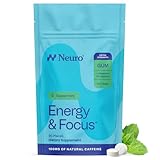
- Fast-Acting Nootropic - Our energy supplements deliver an extra boost of energy and clarity with a blend of natural caffeine, L-theanine, and vitamin b6 & b12. Your go-to chewing gum for work, exercise, and daily focus!
- Clean Energy - Each piece of our sugar free gum delivers 100mg of natural caffeine from green coffee beans for a smooth energy boost without crashes or jitters.
- The Perfect Balance - With 60mg of L-theanine per piece, our energy and focus formula promotes enhanced focus and stress reduction to smooth energy boosts.
- How to Use - Chew one piece of the caffeine gum whenever focus or energy is lacking. Ideal for mornings, pre-workout, or afternoon slumps. Effects typically kick in within minutes thanks to optimal absorption through the mouth.
- Made by Neuro, Backed by Science - At Neuro, we combine neuroscience with clean, science backed ingredients to help you do more, think better, and feel your best every single day.
What affects the result
- Caffeine Dosage: The amount of caffeine consumed directly impacts the intensity and duration of its effects. Too little may have no noticeable effect, while too much can lead to negative side effects.
- Individual Sensitivity: People with ADHD can have varying sensitivities to caffeine. Some may find it very helpful, while others experience anxiety or jitters.
- Genetics: Genetic factors can influence how quickly your body metabolizes caffeine and how your brain receptors respond to it.
- Tolerance: Regular coffee drinkers develop a tolerance, meaning they need more caffeine to achieve the same effects over time.
- Time of Day: Consuming coffee too late in the day can disrupt sleep patterns, which can exacerbate ADHD symptoms like inattention and irritability.
- Food Intake: Drinking coffee on an empty stomach can lead to faster absorption and potentially more intense effects, including jitters. Eating can slow absorption.
- Type of Coffee: Different coffee beans and brewing methods can result in varying caffeine levels. Espresso, for example, is often more concentrated than drip coffee.
- Brewing Method: The way coffee is brewed (e.g., drip, French press, cold brew) can affect the final caffeine content and the presence of other compounds.
- Hydration Levels: Dehydration can sometimes make the effects of stimulants feel more pronounced or even negative.
- Sleep Quality: Poor sleep can amplify ADHD symptoms, and while coffee might provide a temporary lift, it won’t fix underlying sleep issues.
- Other Stimulants: Consuming other caffeinated beverages or substances alongside coffee can increase overall stimulant intake and potential side effects.
- Medication Interactions: If you are taking ADHD medication, it’s crucial to discuss coffee consumption with your doctor, as there can be interactions.
Pros, cons, and when it matters
- Pro: Temporary Focus Improvement: For some, coffee can provide a much-needed temporary boost in attention and concentration, helping with tasks.
- Con: Jitters and Anxiety: A common side effect, especially with higher doses or sensitive individuals, is increased anxiety and a jittery feeling, which can hinder focus.
- Pro: Mood Enhancement: The increased dopamine and norepinephrine can lead to a temporary feeling of improved mood and reduced irritability.
- Con: Sleep Disruption: Caffeine is a stimulant and can interfere with sleep, leading to insomnia or poorer sleep quality, which is detrimental for ADHD management.
- Pro: Accessibility: Coffee is widely available and relatively inexpensive compared to prescription medications.
- Con: Short-Lived Effects: The benefits of coffee are temporary. Once the caffeine wears off, symptoms can return, sometimes more intensely.
- Pro: Social Ritual: The act of preparing and drinking coffee can be a comforting and grounding routine for many.
- Con: Tolerance and Withdrawal: Regular use leads to tolerance, requiring more caffeine for the same effect, and can cause withdrawal symptoms like headaches and fatigue if stopped.
- Pro: May Reduce Impulsivity (for some): In some individuals, the stimulant effect can help dampen impulsivity temporarily.
- Con: Not a Treatment: Coffee is not a substitute for evidence-based ADHD treatments like medication or behavioral therapy.
- Pro: Can Be Part of a Healthy Diet: In moderation, coffee can be part of a balanced lifestyle.
- Con: Digestive Issues: For some, coffee can cause stomach upset or acid reflux, which can be distracting.
- Pro: Cost-Effective (compared to some treatments): A daily cup of coffee is generally less expensive than many prescription ADHD medications.
- Con: Potential for Over-Reliance: It’s easy to become reliant on coffee for daily functioning, potentially masking underlying issues or leading to negative health consequences.
- When it Matters: Coffee might matter for a quick, temporary boost before a demanding task, during a period of low energy, or as a mild aid for those who find it genuinely calming and focusing. It matters less when trying to establish long-term symptom management strategies or when sleep is a concern.
Common misconceptions
- Misconception: Coffee is a cure for ADHD. Coffee is a temporary aid for some symptoms, not a cure or a replacement for medical treatment.
- Misconception: Everyone with ADHD benefits from coffee. Individual responses vary greatly; some find it unhelpful or even detrimental.
- Misconception: Coffee is as effective as ADHD medication. Prescription ADHD medications are specifically formulated and dosed to manage ADHD symptoms more consistently and effectively.
- Misconception: More coffee always means better focus. Excessive caffeine can lead to anxiety and jitters, which impair focus and cognitive function.
- Misconception: Coffee only stimulates. For some individuals, particularly those with ADHD, stimulants can have a paradoxical calming effect.
- Misconception: Caffeine is inherently “bad” for ADHD. While it has potential downsides, moderate caffeine intake can be beneficial for some individuals with ADHD.
- Misconception: You can’t build tolerance to coffee. Tolerance to caffeine develops over time, meaning you may need more to achieve the same effects.
- Misconception: The “happy” feeling is purely psychological. While psychological factors are involved, the mood boost is linked to neurochemical changes in the brain.
- Misconception: Cold brew has less caffeine. Cold brew often has a higher caffeine concentration per ounce due to the coffee-to-water ratio, though it can vary.
- Misconception: Drinking coffee will solve all ADHD problems. ADHD is a complex condition; coffee addresses only a small facet of its potential symptoms.
FAQ
Q: Why does coffee sometimes make me feel calmer if I have ADHD?
A: This is known as a paradoxical effect. For some individuals with ADHD, stimulant substances like caffeine can help regulate neurotransmitter levels, leading to a sense of calm and improved focus rather than hyperactivity.
Q: Is coffee a good substitute for ADHD medication?
A: No, coffee is not a substitute for prescribed ADHD medication. While it may offer temporary relief for some symptoms, it lacks the consistent, targeted therapeutic effects of medication and can have significant side effects.
Q: How much coffee is too much for someone with ADHD?
A: This varies greatly by individual. Generally, exceeding 400 milligrams of caffeine per day (about 4 cups of brewed coffee) is considered high for most adults. For individuals with ADHD, it’s best to start low and monitor your body’s response, as you might be more sensitive.
Q: Can coffee improve my focus on tasks?
A: For some people with ADHD, coffee can temporarily improve focus and attention by increasing dopamine and norepinephrine levels. However, this effect is not guaranteed and can be negated by side effects like anxiety.
Q: Will drinking coffee help with my ADHD-related fatigue?
A: Caffeine is a stimulant that can temporarily combat fatigue and increase alertness. However, it doesn’t address the underlying causes of fatigue and can disrupt sleep, potentially worsening fatigue in the long run.
Q: What are the risks of drinking coffee with ADHD?
A: Risks include increased anxiety, jitters, insomnia, digestive issues, and potential withdrawal symptoms if consumption is stopped abruptly. It can also mask underlying issues that require medical attention.
Q: Should I talk to my doctor about drinking coffee if I have ADHD?
A: Yes, it’s always a good idea to discuss any substance use, including coffee, with your doctor, especially if you are on ADHD medication. They can advise on potential interactions and help you understand how it might affect your treatment plan.
What this page does NOT cover (and where to go next)
- Specific brand recommendations or comparisons of coffee beans. (Next: Explore resources on coffee sourcing and flavor profiles.)
- Detailed scientific research papers on ADHD and neurotransmitters. (Next: Consult academic databases or reputable medical journals for in-depth studies.)
- How to brew the perfect cup of coffee for optimal flavor. (Next: Look for guides on coffee brewing techniques and equipment.)
- Comprehensive treatment plans for ADHD. (Next: Seek information from mental health professionals or organizations dedicated to ADHD.)
- The impact of other dietary factors on ADHD symptoms. (Next: Research nutritional science and its relation to brain health and ADHD.)