
Understanding Coffee’s Effects on Your Body
Quick answer
- Coffee contains caffeine, a stimulant that affects the central nervous system.
- It can temporarily increase alertness and reduce feelings of fatigue.
- For some, coffee may act as a diuretic or stimulate bowel movements.
- Individual responses vary widely based on genetics, tolerance, and consumption habits.
- Overconsumption can lead to jitters, anxiety, or sleep disturbances.
- Moderate intake is generally considered safe for most healthy adults.
What this problem usually is (and is not)
- This discussion is about the general physiological responses to coffee consumption.
- It is not medical advice; consult a healthcare professional for personal health concerns.
- It addresses common experiences with coffee’s effects, not specific medical conditions.
- We’re focusing on typical responses, not rare allergic reactions or severe sensitivities.
- This covers the immediate and short-term impacts, not long-term health outcomes in detail.
- It’s about how coffee does coffee make you per, not how it tastes or is brewed.
Likely causes (triage list)
- Caffeine content: The amount of caffeine in your coffee directly influences its stimulating effects. Confirm by checking the coffee type (e.g., espresso vs. drip) and serving size.
- Individual sensitivity: Genetic factors can affect how quickly your body metabolizes caffeine. Observe your personal reaction to different doses.
- Tolerance level: Regular coffee drinkers often develop a tolerance, requiring more caffeine for the same effect. Reflect on your daily consumption habits.
- Hydration status: Coffee can have a mild diuretic effect, which might be more noticeable if you’re already dehydrated. Note your water intake alongside coffee.
- Time of consumption: Drinking coffee late in the day can interfere with sleep due to caffeine’s half-life. Track when you consume coffee relative to bedtime.
- Other ingredients: Sugars, cream, or other additives in coffee beverages can also affect how you feel. Consider if you’re drinking black coffee or a more complex drink.
- Empty stomach: Consuming coffee on an empty stomach might lead to a more rapid absorption of caffeine and a stronger initial effect. Observe if your symptoms change with food.
- Underlying health conditions: Certain conditions, like anxiety disorders or irritable bowel syndrome, can be exacerbated by coffee. Consult a doctor if you have concerns.
If you’re looking for a more controlled way to manage your caffeine intake, consider caffeine supplements like these. They allow you to precisely measure your dose, which can be helpful when trying to understand your body’s response.
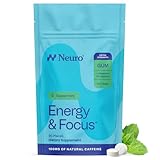
- Fast-Acting Nootropic - Our energy supplements deliver an extra boost of energy and clarity with a blend of natural caffeine, L-theanine, and vitamin b6 & b12. Your go-to chewing gum for work, exercise, and daily focus!
- Clean Energy - Each piece of our sugar free gum delivers 100mg of natural caffeine from green coffee beans for a smooth energy boost without crashes or jitters.
- The Perfect Balance - With 60mg of L-theanine per piece, our energy and focus formula promotes enhanced focus and stress reduction to smooth energy boosts.
- How to Use - Chew one piece of the caffeine gum whenever focus or energy is lacking. Ideal for mornings, pre-workout, or afternoon slumps. Effects typically kick in within minutes thanks to optimal absorption through the mouth.
- Made by Neuro, Backed by Science - At Neuro, we combine neuroscience with clean, science backed ingredients to help you do more, think better, and feel your best every single day.
Fix it step-by-step (brew workflow)
1. Assess your current intake:
- What to do: Keep a log of how much coffee (and other caffeinated beverages) you consume daily, including serving sizes.
- What “good” looks like: An accurate record of your caffeine intake.
- Common mistake: Underestimating total caffeine. Avoid by reading labels for caffeine content per serving.
2. Understand caffeine content:
- What to do: Research the typical caffeine content of your preferred coffee type (e.g., 8 oz drip coffee typically has 80-100 mg).
- What “good” looks like: Knowing the approximate caffeine dose you’re getting.
- Common mistake: Assuming all coffee is the same. Avoid by recognizing variations in roast, bean type, and brewing method.
3. Monitor your body’s response:
- What to do: Pay attention to how you feel after drinking coffee – alertness, heart rate, stomach comfort, energy levels, and bowel movements.
- What “good” looks like: Recognizing patterns in your physical and mental state.
- Common mistake: Attributing all symptoms to coffee. Avoid by considering other factors like sleep, stress, and diet.
4. Adjust timing of consumption:
- What to do: Avoid drinking coffee too close to bedtime (e.g., within 6 hours for many people).
- What “good” looks like: Improved sleep quality without caffeine interference.
- Common mistake: Drinking coffee late to push through fatigue. Avoid by prioritizing adequate rest instead.
5. Consider moderation:
- What to do: If experiencing negative effects, gradually reduce your daily caffeine intake.
- What “good” looks like: Finding a comfortable level of consumption without adverse symptoms.
- Common mistake: Abruptly stopping caffeine, which can lead to withdrawal symptoms. Avoid by tapering down slowly.
6. Stay hydrated:
- What to do: Drink plenty of water throughout the day, especially if you consume coffee.
- What “good” looks like: Maintaining good hydration status, which can mitigate any mild diuretic effects.
- Common mistake: Replacing water with coffee. Avoid by consciously drinking water alongside your coffee.
7. Eat with your coffee:
- What to do: If coffee causes stomach upset, try drinking it with or after a meal.
- What “good” looks like: Reduced gastrointestinal discomfort.
- Common mistake: Drinking large amounts of strong coffee on an empty stomach. Avoid by having a light breakfast first.
8. Listen to your body:
- What to do: If coffee consistently causes unpleasant side effects, consider switching to lower-caffeine options or decaf.
- What “good” looks like: Feeling energized and focused without jitters or anxiety.
- Common mistake: Ignoring persistent negative signals. Avoid by prioritizing your well-being over a habit.
Prevent it next time
- Understand your tolerance: Know your personal limit for caffeine to avoid overconsumption.
- Mind the clock: Avoid coffee within several hours of sleep to prevent sleep disruption.
- Hydrate properly: Drink water alongside your coffee to counteract potential diuretic effects.
- Choose your brew wisely: Opt for lower-caffeine options or decaf if you’re sensitive.
- Eat before you drink: Consume coffee with food to minimize stomach upset.
- Listen to your body’s signals: Pay attention to how coffee makes you feel and adjust accordingly.
- Consider alternative energy sources: Explore other ways to boost energy, such as exercise or better sleep.
Common mistakes (and what happens if you ignore them)
| Mistake | What it causes | Fix |
|---|---|---|
| Drinking too much coffee | Jitters, anxiety, increased heart rate, difficulty sleeping. | Reduce daily intake gradually. |
| Consuming coffee too late | Insomnia, restless sleep, daytime fatigue. | Stop caffeine intake 6+ hours before bedtime. |
| Drinking coffee on empty stomach | Stomach upset, heartburn, rapid caffeine absorption. | Have coffee with or after a meal. |
| Not drinking enough water | Dehydration symptoms, exacerbated mild diuretic effect. | Drink water throughout the day, especially with coffee. |
| Ignoring individual sensitivity | Unpleasant side effects like nervousness or upset stomach. | Adjust intake based on personal response; consider decaf. |
| Relying solely on coffee for energy | Poor sleep habits, chronic fatigue, caffeine dependence. | Prioritize sleep, exercise, and balanced nutrition. |
| Not knowing caffeine content | Accidental overconsumption or underestimation of effects. | Research caffeine content of your specific coffee type. |
| Mixing coffee with energy drinks | Excessive caffeine intake, dangerous side effects. | Avoid combining multiple high-caffeine beverages. |
| Drinking coffee to self-medicate | Masking underlying health issues like chronic fatigue. | Consult a doctor for persistent health concerns. |
Decision rules (simple if/then)
- If you feel jittery or anxious after coffee, then reduce your intake because you’re likely consuming too much caffeine for your tolerance.
- If you have trouble sleeping at night, then stop drinking coffee earlier in the day because caffeine has a long half-life and can interfere with sleep.
- If your stomach feels upset after coffee, then try drinking it with food because this can help buffer the acidity.
- If you feel dehydrated despite drinking coffee, then increase your water intake because coffee can have a mild diuretic effect.
- If does coffee make you per (urinate or have bowel movements) frequently, then this is a common physiological response because caffeine can stimulate the bladder and intestines.
- If you experience headaches when you skip coffee, then you might be experiencing caffeine withdrawal because your body has developed a dependence.
- If you constantly need more coffee to feel alert, then you may have developed a tolerance because regular consumption can reduce sensitivity to caffeine.
- If you have a pre-existing heart condition, then consult your doctor about coffee consumption because caffeine can affect heart rate and blood pressure.
- If you are pregnant or breastfeeding, then discuss caffeine limits with your healthcare provider because recommended intake levels are different.
- If coffee consistently makes you feel unwell, then consider switching to decaf or reducing your intake significantly because your body may be particularly sensitive.
FAQ
Q: Does coffee make you per more often?
A: Yes, for many people, coffee can act as a mild diuretic, meaning it can increase urination. Caffeine is a known bladder stimulant, and the fluid volume of the coffee itself also contributes.
Q: Can coffee make you have a bowel movement?
A: Absolutely. Coffee, particularly caffeinated coffee, is known to stimulate the colon muscles in some individuals, leading to a bowel movement. This effect is not fully understood but is common.
Q: How long do coffee’s effects last in the body?
A: The stimulating effects of caffeine typically peak within 30-60 minutes after consumption and can last for several hours. Caffeine’s half-life (the time it takes for half of it to be eliminated from your body) is generally around 3-5 hours, but this varies.
Q: Is it bad to drink coffee every day?
A: For most healthy adults, moderate daily coffee consumption (e.g., up to 400 milligrams of caffeine, or about four 8-ounce cups of brewed coffee) is not considered harmful and may even offer health benefits. However, individual tolerance varies.
Q: Why does coffee sometimes make me feel anxious?
A: Caffeine is a stimulant that can increase alertness and heart rate. For some sensitive individuals, or when consumed in large amounts, these effects can manifest as anxiety, nervousness, or jitters.
Q: Does decaf coffee still have effects on the body?
A: Decaf coffee contains significantly less caffeine than regular coffee, but it’s not entirely caffeine-free. Therefore, it may still have a very mild stimulating effect for extremely sensitive individuals, but typically much less noticeable.
What this page does NOT cover (and where to go next)
- Specific medical diagnoses or treatments for caffeine-related conditions.
- Detailed long-term health benefits or risks of coffee consumption.
- The chemical composition of coffee beyond caffeine.
- How to brew different types of coffee or choose specific beans.
- The environmental impact of coffee production.