
Feeling Sleepy From Coffee, Not Energy Drinks? The Reason
Quick answer
- Coffee contains caffeine, a stimulant, but other compounds can influence its effects.
- Adenosine, a natural brain chemical, builds up throughout the day, causing sleepiness.
- Caffeine blocks adenosine receptors, temporarily reducing the feeling of fatigue.
- When caffeine wears off, the accumulated adenosine can lead to a “crash” or heightened sleepiness.
- Energy drinks often contain higher caffeine levels and other stimulants or sugars that can mask or delay this effect.
- Individual sensitivity, hydration, and other dietary factors play a significant role.
Key terms and definitions
- Caffeine: A natural stimulant found in coffee, tea, and cacao plants, primarily affecting the central nervous system.
- Adenosine: A neurotransmitter that promotes sleep and suppresses arousal. Its levels increase throughout waking hours.
- Adenosine Receptors: Specific sites in the brain where adenosine binds, signaling the body to feel tired.
- Caffeine Crash: The sudden onset of fatigue or lethargy experienced when the stimulating effects of caffeine wear off.
- Half-life: The time it takes for the body to eliminate half of a drug or substance, for caffeine it’s typically 3-5 hours.
- Tolerance: A reduced response to a drug over time, requiring higher doses to achieve the same effect.
- Dehydration: A state where the body loses more fluids than it takes in, which can contribute to fatigue.
- Theobromine: A mild stimulant found in coffee and chocolate, similar to caffeine but with a longer, milder effect.
- Chlorogenic Acids: Antioxidant compounds found in coffee that may influence glucose metabolism and other physiological processes.
- Withdrawal: A set of symptoms experienced when discontinuing a substance, such as caffeine, after prolonged use.
How it works
- When you drink coffee, caffeine is absorbed into your bloodstream, typically within 15-45 minutes.
- Caffeine then travels to your brain and binds to adenosine receptors.
- By blocking adenosine from binding, caffeine prevents the “tired” signal from reaching your brain.
- This temporary blockade makes you feel more alert and reduces perceived fatigue.
- As caffeine is metabolized by your liver, it slowly unbinds from these receptors.
- The adenosine that has been building up during the caffeine’s effect can then bind to its receptors.
- This sudden rush of adenosine binding can lead to a pronounced feeling of sleepiness or a “caffeine crash.”
- Energy drinks often deliver caffeine more rapidly or in higher doses, sometimes combined with other stimulants or sugars.
- The additional ingredients in energy drinks might prolong the stimulating effect or create a more intense jolt, masking the adenosine buildup.
- Your body’s metabolism and genetics also influence how quickly you process caffeine and how sensitive you are to its effects.
- Regular coffee consumption can lead to tolerance, meaning you might need more caffeine to achieve the same alertness.
What affects why does coffee make me sleepy but not energy drinks
- Caffeine Content: The amount of caffeine in your coffee can vary significantly (e.g., drip coffee vs. espresso). Energy drinks often have higher, more standardized caffeine levels.
- Brewing Method: Different brewing methods (e.g., French press, pour-over, cold brew) can extract varying amounts of caffeine and other compounds.
- Bean Type: Robusta beans generally contain more caffeine than Arabica beans.
- Roast Level: Lighter roasts can sometimes have slightly more caffeine by weight than darker roasts, though the difference is often small.
- Individual Metabolism: Genetics influence how quickly your liver processes caffeine, affecting how long its stimulating effects last and when the crash might occur.
- Adenosine Buildup: If you’re already sleep-deprived, your adenosine levels will be higher, potentially leading to a more severe crash when caffeine wears off.
- Sugar Content: Energy drinks frequently contain high amounts of sugar, which can provide a temporary energy boost, but also lead to a sugar crash later.
- Other Ingredients: Energy drinks often include B vitamins, taurine, ginseng, or guarana, which can interact with caffeine and influence perceived energy levels.
- Hydration Status: Dehydration can contribute to fatigue, making you feel sleepier regardless of caffeine intake.
- Timing of Consumption: Drinking coffee late in the day can disrupt natural sleep cycles, potentially leading to feeling more tired the next day.
- Tolerance Level: Regular caffeine consumers may develop a tolerance, requiring more caffeine to feel alert, and experiencing a crash more readily.
- Meal Timing: Consuming coffee on an empty stomach might lead to a faster absorption and a more pronounced peak and crash compared to drinking it with food.
Pros, cons, and when it matters
- Pros of Coffee: Provides a natural source of caffeine, rich in antioxidants, can improve focus and mood, and is a ritual for many.
- Cons of Coffee: Can cause jitters, anxiety, disrupt sleep if consumed late, and lead to a crash when its effects wear off, especially if sleep-deprived.
- Pros of Energy Drinks: Often deliver a rapid and intense energy boost due to higher caffeine and other stimulants, convenient for quick pick-me-ups.
- Cons of Energy Drinks: Can contain very high sugar levels, potential for rapid heart rate, anxiety, and a more pronounced crash due to the combination of stimulants and sugar.
- When it matters for coffee making you sleepy: It matters if you rely on coffee to overcome chronic sleep deprivation, as it only masks the problem.
- When it matters for coffee making you sleepy: It matters if you experience a severe crash that impacts productivity or mood after the caffeine wears off.
- When it matters for energy drinks: It matters when you need a very quick, intense burst of energy, but be aware of the potential for a harder crash.
- When it matters for energy drinks: It matters if you are concerned about sugar intake or the effects of other added stimulants.
- Individual Sensitivity: How you react to caffeine and other ingredients is highly individual; paying attention to your body’s response is key.
- Hydration: If you feel sleepy after coffee, assess your water intake. Dehydration can exacerbate fatigue.
- Dietary Context: What you eat with your coffee can influence how quickly caffeine is absorbed and how stable your energy levels remain.
- Underlying Health: Persistent fatigue, even with caffeine, could indicate an underlying health issue that warrants medical attention.
Common misconceptions
- “Caffeine gives you energy.” Caffeine doesn’t provide energy; it blocks the sensation of tiredness by interfering with adenosine. Your body still needs rest.
- “More caffeine always means more energy.” Beyond a certain point, more caffeine can lead to jitters, anxiety, and a harder crash, not sustained energy.
- “Energy drinks are healthier than coffee because they have vitamins.” While some energy drinks contain vitamins, their high sugar and caffeine content can outweigh any perceived health benefits.
- “Coffee makes you more hydrated.” While coffee is mostly water, caffeine has a mild diuretic effect. It’s generally not considered a primary source of hydration.
- “Dark roast coffee has more caffeine.” Often, lighter roasts can have slightly more caffeine by weight than darker roasts because the roasting process burns off some caffeine.
- “You can ‘power through’ sleep deprivation with enough coffee.” Coffee can mask sleepiness, but it doesn’t replace the restorative benefits of actual sleep.
- “All coffee has the same amount of caffeine.” Caffeine content varies widely based on bean type, roast level, brewing method, and serving size.
- “The caffeine crash is purely psychological.” The crash is a physiological response to accumulated adenosine binding to receptors once caffeine clears.
- “Energy drinks are just coffee with extra sugar.” Energy drinks often contain a blend of stimulants, sugars, and other compounds that differ significantly from plain coffee.
FAQ
Why do I feel more tired after coffee sometimes?
This often happens due to the “caffeine crash.” Caffeine blocks adenosine receptors, making you feel alert. When the caffeine wears off, all the adenosine that built up during that time suddenly binds to its receptors, leading to a stronger feeling of sleepiness.
Does chronic sleep deprivation make the coffee crash worse?
Yes, if you’re already sleep-deprived, your brain will have higher levels of adenosine. When caffeine temporarily blocks these receptors, the buildup is even greater, potentially leading to a more severe and noticeable crash when the caffeine wears off.
Are there other compounds in coffee that might contribute to sleepiness?
While caffeine is the primary stimulant, some research suggests that other compounds in coffee, like chlorogenic acids, might influence blood sugar, which could indirectly affect energy levels for some individuals. However, the adenosine mechanism is the most widely accepted explanation for the crash.
Why don’t I experience the same sleepiness with energy drinks?
Energy drinks often contain higher doses of caffeine, and sometimes other stimulants like guarana or taurine, and often a lot of sugar. This combination can create a more intense and prolonged stimulating effect, potentially masking the underlying adenosine buildup for a longer period.
How can I reduce the caffeine crash from coffee?
To minimize the crash, consider moderating your caffeine intake, staying well-hydrated, ensuring adequate sleep, and avoiding coffee on an empty stomach. Spreading out your coffee consumption or switching to lower-caffeine options might also help.
If you’re looking for a more controlled way to manage your caffeine intake and potentially reduce the crash, consider exploring caffeine supplements. These can offer a consistent dose without the other variables found in coffee or energy drinks.
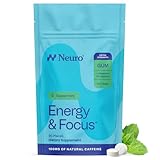
- Fast-Acting Nootropic - Our energy supplements deliver an extra boost of energy and clarity with a blend of natural caffeine, L-theanine, and vitamin b6 & b12. Your go-to chewing gum for work, exercise, and daily focus!
- Clean Energy - Each piece of our sugar free gum delivers 100mg of natural caffeine from green coffee beans for a smooth energy boost without crashes or jitters.
- The Perfect Balance - With 60mg of L-theanine per piece, our energy and focus formula promotes enhanced focus and stress reduction to smooth energy boosts.
- How to Use - Chew one piece of the caffeine gum whenever focus or energy is lacking. Ideal for mornings, pre-workout, or afternoon slumps. Effects typically kick in within minutes thanks to optimal absorption through the mouth.
- Made by Neuro, Backed by Science - At Neuro, we combine neuroscience with clean, science backed ingredients to help you do more, think better, and feel your best every single day.
Could dehydration be a factor in feeling sleepy after coffee?
Absolutely. Dehydration can significantly contribute to fatigue and lethargy. If you’re not drinking enough water, especially alongside coffee which has a mild diuretic effect, you might feel sleepier regardless of the caffeine.
Is it possible I’m just more sensitive to caffeine?
Yes, individual sensitivity to caffeine varies greatly due to genetics and how quickly your body metabolizes it. Some people are “fast metabolizers” and others are “slow metabolizers,” which affects how long caffeine stays in your system and how intensely you feel its effects.
What this page does NOT cover (and where to go next)
- Specific brand comparisons of coffee or energy drinks.
- Detailed medical advice for chronic fatigue or sleep disorders.
- Recipes for coffee drinks or energy drink alternatives.
- The environmental impact of coffee production or energy drink manufacturing.
- The history of coffee or energy drinks.
- In-depth chemical analysis of all compounds in coffee beyond caffeine and adenosine.