
Energy Drinks vs. Coffee: Why the Different Effects?
Quick answer
- Energy drinks often contain high sugar content that leads to a subsequent crash, while coffee’s effects are primarily due to caffeine.
- The combination of caffeine and sugar in energy drinks can create a more pronounced “high” followed by a significant “low.”
- Coffee’s acidity and slower caffeine release can lead to a smoother energy curve for many individuals.
- Ingredient differences, such as taurine or B vitamins in energy drinks, can also influence their perceived effects.
- Individual sensitivity to caffeine, sugar, and other stimulants plays a crucial role in how each beverage is experienced.
- The perceived “tiredness” after energy drinks is often a physiological response to a rapid blood sugar spike and subsequent drop.
Key terms and definitions
- Caffeine: A natural stimulant found in coffee beans, tea leaves, and cocoa beans, known for its ability to increase alertness and reduce fatigue.
- Adenosine: A neurotransmitter that promotes relaxation and sleepiness; caffeine blocks adenosine receptors.
- Blood Sugar Spike: A rapid increase in glucose levels in the bloodstream, typically caused by consuming sugary foods or drinks.
- Sugar Crash: A feeling of fatigue, irritability, and reduced mental clarity that can occur after a blood sugar spike.
- Taurine: An amino acid found naturally in the body and in some foods, often added to energy drinks for its purported role in metabolic functions.
- B Vitamins: A group of vitamins essential for energy metabolism, often included in energy drinks.
- Acidity: The pH level of a beverage, which can affect taste and how it interacts with the digestive system.
- Stimulant: A substance that raises the activity level of the central nervous system and the body.
- Placebo Effect: A beneficial effect produced by a placebo drug or treatment, which cannot be attributed to the properties of the placebo itself, and must therefore be due to the patient’s belief in that treatment.
- Tolerance: The diminished response to a drug or stimulant after repeated exposure.
How it works
- Caffeine’s Mechanism: Caffeine primarily works by blocking adenosine receptors in the brain. Adenosine is a chemical that builds up throughout the day and signals to your body that it’s time to rest. By blocking these receptors, caffeine prevents adenosine from binding, thus increasing alertness and wakefulness.
- Energy Drink Sugar Impact: Many energy drinks contain large amounts of added sugar. When consumed, this sugar is rapidly absorbed into the bloodstream, causing a significant spike in blood glucose levels.
- The Sugar Crash Cycle: This rapid rise in blood sugar triggers the pancreas to release insulin, which helps cells absorb glucose. The body often overcompensates, leading to a rapid drop in blood sugar below normal levels, resulting in the “sugar crash.”
- Coffee’s Caffeine Profile: Coffee’s caffeine is released into the bloodstream more gradually compared to the rapid influx from some energy drinks, especially when brewed using methods like drip or pour-over.
- Synergistic Effects: Energy drinks often combine caffeine with sugar and other ingredients like taurine and B vitamins. The interaction of these components can create a different overall experience than caffeine alone.
- Gut Microbiome Influence: The rapid influx of sugar from energy drinks can also impact the gut microbiome, potentially contributing to feelings of fatigue.
- Dehydration Factor: Both coffee and energy drinks can have a mild diuretic effect, which, if not managed by adequate water intake, can contribute to fatigue.
- Varied Ingredient Blends: The specific formulation of an energy drink, including the type and amount of sweeteners, stimulants, and other additives, will influence its unique effects.
For those looking to manage their caffeine intake without the added sugar and other ingredients found in energy drinks, caffeine supplements can be a more controlled option. These supplements offer a direct way to boost alertness, similar to coffee but without the potential for a sugar crash.
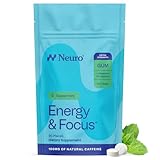
- Fast-Acting Nootropic - Our energy supplements deliver an extra boost of energy and clarity with a blend of natural caffeine, L-theanine, and vitamin b6 & b12. Your go-to chewing gum for work, exercise, and daily focus!
- Clean Energy - Each piece of our sugar free gum delivers 100mg of natural caffeine from green coffee beans for a smooth energy boost without crashes or jitters.
- The Perfect Balance - With 60mg of L-theanine per piece, our energy and focus formula promotes enhanced focus and stress reduction to smooth energy boosts.
- How to Use - Chew one piece of the caffeine gum whenever focus or energy is lacking. Ideal for mornings, pre-workout, or afternoon slumps. Effects typically kick in within minutes thanks to optimal absorption through the mouth.
- Made by Neuro, Backed by Science - At Neuro, we combine neuroscience with clean, science backed ingredients to help you do more, think better, and feel your best every single day.
What affects the result
- Sugar Content: The amount of sugar in an energy drink is a primary driver of the subsequent “crash.” High sugar leads to a more pronounced blood sugar spike and drop.
- Caffeine Dosage: While both beverages contain caffeine, the quantity can vary significantly. Higher caffeine doses generally lead to more intense alertness but can also increase the risk of jitters and subsequent fatigue.
- Other Stimulants and Additives: Energy drinks often include ingredients like guarana, ginseng, taurine, and various B vitamins. These can interact with caffeine and affect how the body processes energy.
- Rate of Absorption: The speed at which caffeine and sugar enter your bloodstream impacts the onset and duration of their effects. Carbonation in some energy drinks may speed up absorption.
- Individual Metabolism: Each person’s body processes caffeine and sugar differently based on genetics, diet, and overall health.
- Tolerance to Caffeine: Regular consumers of caffeine may experience less pronounced effects from both coffee and energy drinks due to developed tolerance.
- Hydration Levels: Being dehydrated can exacerbate feelings of fatigue, regardless of beverage consumption.
- Time of Consumption: Drinking these beverages late in the day can interfere with sleep patterns, leading to fatigue the next day.
- Food Intake: Consuming these drinks on an empty stomach can lead to faster absorption and more intense effects, including a more significant crash.
- Acidity of Coffee: The natural acidity of coffee can affect some individuals’ digestion, potentially influencing their overall feeling of well-being.
- Quality of Ingredients: The source and processing of coffee beans or the specific formulation of an energy drink can subtly influence the experience.
- Mental State and Expectations: Your perception of how a drink will affect you (the placebo effect) can play a role in how you feel.
Pros, cons, and when it matters
- Energy Drinks: Pros:
- Rapid Energy Boost: Often provide a quick and noticeable surge of energy due to high caffeine and sugar content.
- Convenience: Pre-mixed and ready to drink, making them a convenient option for on-the-go needs.
- Additional Nutrients: May contain added vitamins and amino acids, though their impact on energy is debated.
- Flavor Variety: Available in a wide range of flavors appealing to different palates.
- Energy Drinks: Cons:
- Sugar Crash: The high sugar content frequently leads to a significant drop in energy and mood shortly after the initial boost.
- High Sugar Intake: Contributes to excessive daily sugar consumption, with associated health risks.
- Jitters and Anxiety: High stimulant levels can cause nervousness, anxiety, and heart palpitations.
- Sleep Disruption: Can significantly interfere with sleep patterns, leading to chronic fatigue.
- Potential for Dependence: Regular consumption can lead to a reliance on the drink for daily functioning.
- Coffee: Pros:
- Smoother Energy Curve: Caffeine in coffee is often perceived to provide a more sustained energy release for many.
- Lower Sugar (Typically): Black coffee contains virtually no sugar, avoiding the sugar crash associated with energy drinks.
- Antioxidants: Coffee is a source of beneficial antioxidants.
- Ritual and Enjoyment: The process of brewing and drinking coffee can be a relaxing ritual.
- Customizable: Can be prepared with various additions (milk, sweeteners) to control sugar and fat intake.
- Coffee: Cons:
- Acidity: Can cause digestive upset for some individuals.
- Caffeine Sensitivity: High doses can still lead to jitters, anxiety, and sleep problems.
- Potential for Dependence: Like energy drinks, regular coffee consumption can lead to caffeine dependence.
- Brewing Time: Requires preparation, unlike ready-to-drink energy drinks.
- When it Matters:
- Urgent Need for Alertness: An energy drink might be chosen for an immediate, short-term need, understanding the trade-off of a potential crash.
- Sustained Focus: Coffee may be preferred for tasks requiring prolonged concentration where a smoother energy curve is desired.
- Health-Conscious Choices: Individuals monitoring sugar intake will likely opt for black coffee or low-sugar alternatives.
- Digestive Sensitivity: Those sensitive to acidity might find certain brewing methods or coffee alternatives more suitable.
If you’re seeking a less intense energy lift or are sensitive to the effects of high sugar and caffeine, exploring natural energy boosters might be a good alternative. These can offer a more sustained feeling of vitality without the harsh peaks and valleys associated with traditional energy drinks.

- ROBUST DAILY MULTI - Quick Energy RED Liquid-Gel Multi is a high-potency multivitamin, multi-mineral formula packed with vitamins, minerals & trace nutrients to help you meet your daily nutritional requirements.
- PERFORMANCE BOOST - This performance boost comes in the form of L-Citrulline, an amino acid that readily converts to L-Arginine in the body. L-Arginine can then be converted to nitric oxide.
- SUPERFOODS - Our formula also contains nutrient-dense superfoods and beneficial oils, including maca root, beet root, turmeric, medium chain triglycerides (MCT) oil, and flaxseed oil.
- HEART HEALTH SUPPORT - Nitric oxide helps blood vessels relax and dilate, allowing for increased blood flow throughout the body, and plays a key role in cardiovascular health.
- ADVANCED DELIVERY METHOD - Delivered in easy-to-swallow, fast-acting liquid softgels, this multi-pronged multivitamin is free of most binders and fillers typically found in tablets.
Common misconceptions
- Energy Drinks are Healthier: Many mistakenly believe energy drinks offer superior health benefits due to added vitamins. However, the high sugar and stimulant content often outweigh these perceived advantages.
- Coffee Always Causes a Crash: While some people experience a caffeine crash from coffee, it’s often less pronounced than with sugary energy drinks and can be managed by brewing methods and consumption habits.
- All Caffeine is the Same: The source and form of caffeine matter. Caffeine from processed energy drinks with sugar can have a different impact than caffeine from naturally brewed coffee.
- Sugar is the Sole Cause of Energy: While sugar provides quick energy, it’s the rapid insulin response and subsequent blood sugar drop that leads to fatigue, not the sugar itself being “spent.”
- Energy Drinks Provide “Clean” Energy: The term “clean energy” is often used, but the combination of stimulants and sugar in energy drinks is far from natural or “clean” in a nutritional sense.
- Coffee is Inherently Bad for You: Moderate coffee consumption is linked to numerous health benefits, and the “bad” aspects often stem from excessive intake or unhealthy additions.
- You Need a Sugar Rush for Energy: Natural energy comes from balanced nutrition, adequate sleep, and hydration, not solely from quick-fix stimulants and sugars.
- Decaf Coffee Has No Effect: Decaffeinated coffee still contains trace amounts of caffeine and other compounds that can have mild stimulating or relaxing effects.
- Energy Drinks Replace Sleep: While they can mask fatigue, energy drinks do not provide the restorative benefits of sleep and can disrupt natural sleep cycles.
- The “Crash” is Just Tiredness: The post-energy drink crash is a physiological event involving blood sugar regulation and neurotransmitter shifts, not simply feeling a bit sleepy.
FAQ
Why do energy drinks make me tired but coffee doesn’t?
This often comes down to the sugar content. Energy drinks typically have a lot of added sugar, which causes a rapid spike in blood sugar followed by a sharp drop, leading to fatigue. Coffee, especially black coffee, lacks this sugar component, and its caffeine release can be more gradual, resulting in a smoother energy curve.
Is the sugar in energy drinks the main culprit for the crash?
Yes, the high amount of refined sugar is a primary reason for the subsequent tiredness. Your body releases insulin to manage the sugar surge, and an overproduction can lead to hypoglycemia (low blood sugar), which manifests as fatigue, irritability, and difficulty concentrating.
Can coffee cause a crash too?
It can, but it’s usually less severe than with sugary energy drinks. This “caffeine crash” occurs as caffeine wears off. However, without the accompanying sugar surge and subsequent drop, the effect is often milder and can be mitigated by consistent hydration and avoiding excessive caffeine intake.
Are there ingredients in energy drinks other than caffeine and sugar that affect energy?
Yes, energy drinks often contain taurine, B vitamins, and herbal extracts like guarana. While these are marketed for energy, their impact is often less significant than caffeine and sugar, and their effectiveness can vary greatly between individuals.
Why does coffee sometimes feel more “calming” than an energy drink?
Coffee’s effects are primarily driven by caffeine blocking adenosine. Some people find the ritual of preparing and drinking coffee, along with its natural compounds and lack of excessive sugar, to be a more grounding experience compared to the potent, often artificial, blend in energy drinks.
Does individual tolerance matter?
Absolutely. If you regularly consume caffeine, your body builds a tolerance, meaning you need more to feel the same effects. This tolerance can influence how intensely you experience both coffee and energy drinks, and how noticeable a crash might be.
What role does hydration play?
Both coffee and energy drinks can have a mild diuretic effect, meaning they can increase urination. If you don’t compensate with sufficient water intake, this can lead to dehydration, which is a significant contributor to feelings of fatigue.
Is it about the speed of caffeine absorption?
Potentially. Some energy drinks are carbonated or formulated for rapid absorption, leading to a quicker, more intense caffeine hit. Coffee’s absorption rate can vary based on brewing method and additions, often leading to a more gradual release.
What this page does NOT cover (and where to go next)
- Specific health risks associated with excessive consumption of energy drinks, such as heart issues or metabolic disorders. (Next: Consult a healthcare professional or review health organization guidelines.)
- Detailed nutritional breakdowns of every energy drink brand versus various coffee preparations. (Next: Check product labels and brewing guides for specific details.)
- The science behind individual genetic predispositions to caffeine metabolism or sugar sensitivity. (Next: Explore resources on genetics and personalized nutrition.)
- Detailed brewing guides for specific coffee makers or types of coffee. (Next: Consult coffee brewing forums or specialized coffee publications.)
- The impact of artificial sweeteners versus sugar in energy drinks on long-term health. (Next: Research studies on artificial sweeteners and metabolic health.)