
Energy Drinks vs. Coffee: Which Is Healthier?
Quick answer
- Coffee offers antioxidants and a smoother energy curve.
- Energy drinks often pack a sugar bomb and artificial ingredients.
- The “crash” from energy drinks can be rougher.
- Coffee’s caffeine is generally less intense than some energy drink blends.
- Both can have downsides if overdone.
- For a healthier buzz, coffee usually wins.
Key terms and definitions
- Caffeine: A natural stimulant found in coffee beans and tea leaves. It blocks adenosine, a neurotransmitter that makes you feel tired.
- Antioxidants: Compounds that fight cell damage. Coffee is a major source for many people.
- Sugar: A simple carbohydrate. Added sugar in energy drinks contributes empty calories and can lead to energy spikes and crashes.
- Taurine: An amino acid often added to energy drinks. Its long-term effects in high doses are still debated.
- B Vitamins: Essential for energy metabolism. While good, they’re often oversupplied in energy drinks.
- Herbal Extracts: Ingredients like ginseng or guarana, used for their stimulant or adaptogenic properties.
- Artificial Sweeteners: Used to reduce sugar content, but their health impacts are a subject of ongoing research.
- Electrolytes: Minerals like sodium and potassium, important for hydration. Sometimes added to energy drinks.
- Acidity: Coffee’s natural pH. Can affect sensitive stomachs.
- Stimulant Crash: The sudden drop in energy and mood after a stimulant wears off.
How it works: What makes energy drinks worse than coffee
- Caffeine Delivery: Coffee’s caffeine is absorbed gradually. Energy drinks can hit faster, especially those with added stimulants.
- Sugar Content: Many energy drinks load up on sugar. This causes a rapid rise in blood glucose, followed by a sharp drop.
- Artificial Additives: Energy drinks often contain a cocktail of artificial colors, flavors, and sweeteners. Coffee is generally simpler.
- Synergistic Stimulants: Some energy drinks combine caffeine with other stimulants like guarana or taurine. This can amplify effects and side effects.
- Nutrient Density: Coffee provides antioxidants. Energy drinks often offer little nutritional value beyond the stimulants and sugar.
- Hydration Factor: While both are liquids, the high sugar and stimulant content in energy drinks can sometimes work against effective hydration.
- Gut Microbiome Impact: High sugar and artificial ingredients can negatively affect gut health. Coffee, in moderation, might have neutral or even positive effects for some.
- Cardiovascular Strain: The intense blend of ingredients in some energy drinks can put more stress on the heart than a standard cup of coffee.
What affects the result
- Amount of Caffeine: Too much caffeine from any source can cause jitters, anxiety, and sleep problems.
- Added Sugars: This is a big one. Sugary drinks are linked to weight gain and other health issues.
- Other Stimulants: Ingredients like guarana, ginseng, or taurine can add to the overall stimulant load.
- Artificial Ingredients: Colors, flavors, and sweeteners in energy drinks are a concern for some.
- Personal Sensitivity: Everyone reacts differently to caffeine and other ingredients.
- Hydration Levels: Being dehydrated can make the effects of stimulants feel more intense.
- Time of Consumption: Drinking either too late can mess with your sleep.
- Dietary Context: What else you’re eating can influence how your body processes these drinks.
- Frequency of Use: Regular reliance on stimulants can lead to dependence and withdrawal.
- Pre-existing Health Conditions: Heart issues, anxiety disorders, or diabetes can make stimulant consumption riskier.
- Quality of Ingredients: For coffee, it’s about the bean. For energy drinks, it’s about the whole mix.
- Sugar-Free Options: While they cut sugar, artificial sweeteners bring their own set of questions.
If you’re looking to manage your caffeine intake more precisely without the added sugars or artificial ingredients, consider a high-quality caffeine supplement. This can give you control over your dosage.
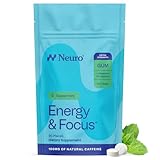
- Fast-Acting Nootropic - Our energy supplements deliver an extra boost of energy and clarity with a blend of natural caffeine, L-theanine, and vitamin b6 & b12. Your go-to chewing gum for work, exercise, and daily focus!
- Clean Energy - Each piece of our sugar free gum delivers 100mg of natural caffeine from green coffee beans for a smooth energy boost without crashes or jitters.
- The Perfect Balance - With 60mg of L-theanine per piece, our energy and focus formula promotes enhanced focus and stress reduction to smooth energy boosts.
- How to Use - Chew one piece of the caffeine gum whenever focus or energy is lacking. Ideal for mornings, pre-workout, or afternoon slumps. Effects typically kick in within minutes thanks to optimal absorption through the mouth.
- Made by Neuro, Backed by Science - At Neuro, we combine neuroscience with clean, science backed ingredients to help you do more, think better, and feel your best every single day.
Pros, cons, and when it matters
- Coffee Pros: Natural source of antioxidants, smoother energy release, potentially lower risk of a severe crash, widely available, customizable.
- Coffee Cons: Can be acidic, potential for jitters if too much, can stain teeth, caffeine withdrawal can be rough.
- Coffee Matters When: You want sustained energy for work or activity, you appreciate the ritual and flavor, you’re looking for a health boost from antioxidants.
- Energy Drink Pros: Quick energy boost, often contain vitamins, convenient for on-the-go.
- Energy Drink Cons: High sugar content (in many), artificial ingredients, potential for severe crash, can be expensive, can lead to dependence.
- Energy Drinks Matter When: You need a very rapid, short-term jolt and are aware of the downsides, perhaps during an extreme all-nighter (though not ideal).
- When it matters most: Your overall health goals, your sensitivity to stimulants, your budget, and your tolerance for artificial ingredients.
Common misconceptions
- “Energy drinks are just like coffee, but better.” Nope. The ingredient lists are often vastly different, with more added junk in energy drinks.
- “All energy drinks are sugar-free.” Far from it. Many are loaded with sugar. Always check the label.
- “Caffeine is the only active ingredient.” Many energy drinks have a blend of stimulants and other compounds.
- “Energy drinks help you hydrate.” Not really. The sugar and stimulant load can sometimes counteract hydration.
- “Coffee is inherently unhealthy.” In moderation, coffee is generally considered healthy and even beneficial due to antioxidants.
- “The ‘crash’ from coffee is the same as from energy drinks.” The energy drink crash is often more pronounced due to the sugar spike and fall.
- “You need energy drinks to perform at your peak.” Natural sleep, good nutrition, and regular exercise are far more sustainable performance enhancers.
- “Guarana is just a natural caffeine source.” It is, but it’s often part of a larger, more potent stimulant mix in energy drinks.
- “B vitamins in energy drinks are a huge health benefit.” You likely get enough B vitamins from your diet already.
- “Energy drinks are a good pre-workout.” Some people use them, but the sugar and intense stimulants aren’t always ideal for everyone’s workout.
FAQ
Q: Can I drink both coffee and energy drinks?
A: You can, but be mindful of your total caffeine intake. Too much caffeine from any source can lead to negative side effects like jitters and sleep disturbances.
Q: Are sugar-free energy drinks healthy?
A: They avoid the sugar crash, but they often contain artificial sweeteners, which have their own ongoing health debates. They still contain stimulants.
Q: What’s the best way to get energy without a crash?
A: Focus on consistent sleep, a balanced diet, and regular exercise. For a quick boost, a moderate cup of coffee is usually a better bet than an energy drink.
Q: How much caffeine is too much?
A: For most healthy adults, up to 400 milligrams of caffeine per day is generally considered safe. However, individual tolerance varies widely.
Q: Can energy drinks cause heart problems?
A: High consumption of energy drinks, especially by individuals sensitive to stimulants or with pre-existing heart conditions, has been linked to adverse cardiovascular events.
Q: Is coffee good for you?
A: Yes, in moderation, coffee is associated with several health benefits, including a lower risk of type 2 diabetes, Parkinson’s disease, and liver disease, largely due to its antioxidant content.
Q: What are the long-term effects of energy drinks?
A: Long-term effects are still being studied, but concerns include potential impacts on cardiovascular health, dental health (due to acidity and sugar), and metabolic issues from high sugar intake.
Q: Should I switch from energy drinks to coffee?
A: If you’re concerned about the sugar and artificial ingredients in energy drinks, switching to coffee (especially black or with minimal additions) is likely a healthier choice.
Q: Can I get addicted to energy drinks?
A: Yes, you can develop a dependence on the caffeine and sugar in energy drinks, leading to withdrawal symptoms like headaches and fatigue if you stop.
What this page does NOT cover (and where to go next)
- Specific brand comparisons or product recommendations.
- Detailed breakdowns of every single ingredient in every energy drink.
- Medical advice for specific health conditions related to stimulant use.
- The science behind caffeine metabolism in the human body.
- Advanced brewing techniques for coffee.