
Why Coffee Causes Frequent Urination
Quick answer
- Coffee acts as a mild diuretic, meaning it can increase urine production.
- Caffeine is the primary stimulant responsible for this effect.
- The acidity of coffee can also irritate the bladder in some individuals.
- Increased fluid intake from brewing coffee also contributes to more trips to the restroom.
- Individual sensitivity to caffeine and coffee’s components varies greatly.
- For most people, the effect is temporary and not a cause for concern.
What this problem usually is (and is not)
- This is typically a normal physiological response to consuming a diuretic beverage.
- It is not usually a sign of a serious underlying medical condition, unless accompanied by other symptoms.
- It’s important to distinguish between a temporary increase in urination and a persistent, urgent need to go.
- This phenomenon is related to the chemical compounds in coffee, not necessarily the brewing method itself.
- For most healthy adults, this effect is manageable and does not require drastic changes beyond adjusting intake.
- If you experience pain, burning, or blood in your urine, consult a medical professional immediately.
Likely causes (triage list)
Water and Fluid Intake
- Cause: The sheer volume of liquid consumed when brewing and drinking coffee.
- Confirmation: Track your total fluid intake throughout the day. If you drink several cups of coffee, your overall fluid volume increases, leading to more urine.
Caffeine Content
- Cause: Caffeine is a known stimulant and diuretic.
- Confirmation: Observe if switching to decaffeinated coffee reduces the effect. If it does, caffeine is likely the main culprit.
If you’re finding that caffeine is the main culprit behind your frequent bathroom trips, consider switching to a decaffeinated coffee. This can significantly reduce the diuretic effect while still allowing you to enjoy the ritual and flavor of coffee.
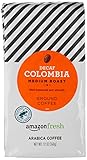
Amazon Fresh Decaf Colombia Ground Coffee, Medium Roast, 12 Ounce
- Balanced, full-bodied medium roast with a smooth finish
- One 12-ounce bag of ground coffee
- Decaffeinated
- 100% Arabica coffee grown in Colombia
- Roasted and packed in the U.S.A.
Coffee Acidity and Bladder Irritation
- Cause: The natural acids in coffee can sometimes irritate the bladder lining.
- Confirmation: Notice if the effect is more pronounced with darker roasts or certain brewing methods known for higher acidity. Trying low-acid coffee beans or adding a pinch of baking soda to your brew (check your machine’s manual for compatibility) might offer clues.
Brewing Method and Coffee Type
- Cause: Different brewing methods can extract varying amounts of caffeine and acids. The type of coffee bean and roast level also play a role.
- Confirmation: Compare your experience with coffee brewed using different methods (e.g., drip, pour-over, French press) or different types of beans.
Individual Sensitivity
- Cause: Genetics and personal physiology influence how your body processes caffeine and other coffee compounds.
- Confirmation: This is often a process of self-observation over time. If you notice a consistent reaction that others don’t seem to share, it points to individual sensitivity.
Other Ingredients
- Cause: Added milk, cream, or sweeteners can sometimes affect digestion and hydration, indirectly influencing urination.
- Confirmation: See if the effect changes when you drink black coffee versus coffee with additives.
Fix it step-by-step (brew workflow)
1. Measure Your Coffee Beans:
- What to do: Use a kitchen scale to weigh your coffee beans for consistent dosing. A common starting point is 15-20 grams of coffee for a 6-8 oz cup.
- What “good” looks like: Precise measurement ensures you’re not over-extracting or under-extracting, which can affect flavor and potentially the perceived effects.
- Common mistake: Guessing the amount of coffee. This leads to inconsistent brews. Always use a scale for accuracy.
2. Grind Your Beans Fresh:
- What to do: Grind your coffee beans just before brewing. Aim for a grind size appropriate for your brewing method (e.g., medium for drip, coarse for French press).
- What “good” looks like: Freshly ground coffee releases maximum aroma and flavor. The grind size should match your brewer for optimal extraction.
- Common mistake: Using pre-ground coffee. It loses freshness quickly, impacting taste and potentially extraction efficiency.
3. Heat Your Water to the Correct Temperature:
- What to do: Heat fresh, filtered water to between 195°F and 205°F (90.5°C and 96°C). Use a thermometer if your kettle doesn’t have a setting.
- What “good” looks like: Water at this temperature extracts coffee compounds effectively without scorching the grounds.
- Common mistake: Using boiling water (212°F/100°C). This can lead to a bitter, over-extracted cup.
4. Prepare Your Filter and Brewer:
- What to do: If using a paper filter, rinse it with hot water to remove any papery taste and preheat your brewing device.
- What “good” looks like: A clean, preheated brewer ensures stable brewing temperature and a cleaner taste.
- Common mistake: Not rinsing paper filters. This can impart a papery flavor to your coffee.
5. Add Ground Coffee to the Brewer:
- What to do: Place the measured, freshly ground coffee into your prepared filter or brewing chamber.
- What “good” looks like: The grounds should be evenly distributed, creating a flat bed for consistent water flow.
- Common mistake: Tamping down the grounds too much or having an uneven bed. This can lead to channeling and uneven extraction.
6. Bloom the Coffee (for pour-over/drip):
- What to do: Pour just enough hot water (about twice the weight of the coffee grounds) over the grounds to saturate them. Let it sit for 30-45 seconds.
- What “good” looks like: The grounds will expand and release CO2, creating a bubbly surface. This is called “blooming” and prepares the coffee for even extraction.
- Common mistake: Skipping the bloom or pouring too much water initially. This can lead to uneven extraction and a less flavorful cup.
7. Complete the Pour/Brew:
- What to do: Continue pouring hot water over the grounds in a controlled manner, following the specific technique for your brewing method. Aim for a total brew time of 3-5 minutes for most drip/pour-over methods.
- What “good” looks like: A steady flow of coffee into your carafe or mug. The aroma should be rich and inviting.
- Common mistake: Pouring too quickly or too slowly, or pouring in erratic patterns. This disrupts extraction.
8. Serve and Enjoy:
- What to do: Once brewing is complete, remove the grounds and serve your coffee immediately.
- What “good” looks like: A balanced, flavorful cup of coffee.
- Common mistake: Letting coffee sit on a hot plate for too long. This can make it taste burnt and bitter.
9. Observe Your Body’s Response:
- What to do: Pay attention to how your body feels and how often you need to urinate after drinking the coffee.
- What “good” looks like: You’re aware of your body’s signals and can adjust your intake accordingly.
- Common mistake: Ignoring your body’s signals and continuing to drink large amounts if it causes discomfort.
Prevent it next time
- Clean your coffee maker regularly: Follow the manufacturer’s instructions for cleaning and descaling.
- Use filtered water: Good water quality improves taste and reduces mineral buildup in your machine.
- Store coffee beans properly: Keep them in an airtight container in a cool, dark place.
- Measure your coffee and water accurately: Use a scale for consistent ratios (e.g., 1:15 to 1:18 coffee to water).
- Adjust grind size: Ensure it’s appropriate for your brewing method to avoid over or under-extraction.
- Consider decaf: If caffeine is the primary concern, try switching to decaffeinated coffee.
- Experiment with low-acid beans: Some beans and roasts are naturally less acidic, which may reduce bladder irritation.
- Moderate your intake: Be mindful of how many cups you’re drinking throughout the day.
- Hydrate with water: Drink plain water alongside your coffee to maintain overall hydration.
- Listen to your body: Pay attention to how different coffees and brewing methods affect you.
Common mistakes (and what happens if you ignore them)
| Mistake | What it causes | Fix