
Feeling Sick From Coffee, Not Energy Drinks? Why?
Quick answer
- Coffee contains a complex mix of compounds beyond just caffeine, including acids and oils, which can irritate some digestive systems.
- Energy drinks often contain buffering agents and different types of sweeteners that can mask or prevent stomach upset.
- The speed of caffeine absorption can differ; energy drinks may deliver a quicker, less sustained jolt.
- Preparation methods for coffee (e.g., strong brew, empty stomach) significantly impact its effects on your body.
- Individual sensitivity to specific compounds, such as chlorogenic acids in coffee, plays a large role.
- The “sick” feeling often relates to digestive upset, jitters, or a caffeine crash, rather than a true illness.
Key terms and definitions
- Caffeine: A natural stimulant found in coffee, tea, and cacao plants, affecting the central nervous system.
- Acidity (in coffee): Refers to the perceived brightness and tartness, primarily due to organic acids like chlorogenic and quinic acids.
- Chlorogenic Acids: A group of compounds found in coffee beans, thought to contribute to both its taste and potential digestive effects.
- Quinic Acid: An acid that increases in coffee during the roasting process and after brewing, contributing to bitterness and acidity.
- Tannins: A class of astringent, bitter compounds found in many plants, including coffee, which can sometimes irritate the stomach lining.
- pH Level: A measure of acidity or alkalinity. Coffee typically has a pH between 4.5 and 5.5, making it acidic.
- Buffering Agents: Ingredients often added to energy drinks (e.g., sodium citrate) to reduce acidity and make them easier on the stomach.
- Empty Stomach Effect: Consuming coffee without food, which can lead to faster absorption of caffeine and increased stomach irritation.
- Caffeine Sensitivity: An individual’s varying physiological response to caffeine, ranging from mild stimulation to significant discomfort.
- Diuretic: A substance that promotes increased production of urine, potentially leading to dehydration if fluid intake isn’t sufficient.
How it works
- Coffee contains caffeine, which stimulates the central nervous system, increasing alertness and temporarily reducing fatigue.
- Beyond caffeine, coffee has numerous organic acids (like chlorogenic and quinic acids) that can increase stomach acid production.
- These acids, especially when consumed on an empty stomach, can lead to heartburn, indigestion, or an upset stomach.
- Coffee also contains oils and diterpenes (e.g., cafestol, kahweol), which can sometimes contribute to digestive distress in sensitive individuals.
- Energy drinks typically use synthetic caffeine, often alongside other stimulants like taurine or B vitamins, which can affect the body differently.
- Many energy drinks are formulated with buffering agents to mitigate their acidity, making them less harsh on the stomach than coffee.
- The high sugar content in many energy drinks can also lead to a rapid energy spike followed by a “crash,” which can feel like sickness.
- The rate at which caffeine enters your bloodstream can differ; some energy drinks are designed for very rapid absorption.
- Hydration levels can play a role; coffee is a diuretic, and inadequate fluid intake alongside consumption can exacerbate negative feelings.
- Individual metabolic differences mean some people process coffee’s complex compounds less efficiently than others.
What affects the result
- Coffee Bean Type: Arabica beans generally have less caffeine and acidity than Robusta beans, potentially leading to less stomach upset.
- Roast Level: Darker roasts tend to have lower acidity but can contain more quinic acid, which develops during roasting and can cause stomach irritation.
- Brewing Method: Cold brew coffee, for example, is often significantly less acidic than hot brewed coffee, making it gentler on the stomach.
- Grind Size: Too fine a grind can lead to over-extraction, potentially releasing more bitter compounds and increasing perceived strength.
- Water Temperature: Brewing with water that’s too hot can over-extract coffee, leading to a bitter taste and potentially more stomach-irritating compounds.
- Coffee-to-Water Ratio: A very strong brew (high coffee-to-water ratio) means more caffeine and more acids, increasing the likelihood of feeling sick.
- Consumption on an Empty Stomach: Drinking coffee without food can cause a rapid increase in stomach acid, leading to discomfort.
- Personal Sensitivity: Some individuals are naturally more sensitive to caffeine or the specific acids and compounds in coffee.
- Hydration Status: Being dehydrated can amplify the diuretic effects of coffee and contribute to feelings of sickness or jitters.
- Added Ingredients: Milk, cream, or sugar can sometimes buffer acidity or slow absorption, but for some, dairy can also cause digestive issues.
- Freshness of Coffee: Stale coffee can develop off-flavors and potentially more irritants.
- Energy Drink Formulation: The specific blend of caffeine, sugars, artificial sweeteners, and buffering agents in an energy drink impacts its effect.
Pros, cons, and when it matters
- Coffee:
- Pros: Natural source of antioxidants, complex flavor profile, ritualistic enjoyment, sustained energy boost for many.
- Cons: Can cause stomach upset (acid reflux, indigestion), jitters, anxiety, sleep disruption, and dehydration in some individuals.
- When it matters: If you experience digestive issues, jitters, or anxiety after coffee but not energy drinks, the unique compounds in coffee are likely the culprit.
- Energy Drinks:
- Pros: Often provide a rapid energy boost, variety of flavors, convenient, can contain other vitamins or supplements.
- Cons: High sugar content (leading to crashes), artificial ingredients, potential for rapid heart rate, anxiety, and sleep issues.
- When it matters: If you tolerate energy drinks better, it suggests you might be more sensitive to coffee’s acidity or other natural compounds, or prefer the buffering agents in energy drinks.
- Why does coffee make me sick but not energy drinks: This specific difference highlights individual physiological responses to various stimulants and food compounds. It matters because it can help you identify which beverage is more suitable for your body. The “sick” feeling is often related to the digestive system’s reaction to coffee’s acids and oils, or to the specific way your body processes its caffeine alongside these other compounds.
- Digestive Comfort: If your primary concern is stomach upset, energy drinks may offer a more buffered experience due while coffee, especially on an empty stomach, can be harsher.
- Ingredient Sensitivity: The issue matters when trying to pinpoint if you’re sensitive to caffeine itself, or to the other hundreds of compounds unique to coffee.
- Long-term Health: Understanding which beverage causes adverse reactions can guide healthier choices for sustained energy without discomfort.
Common misconceptions
- “All caffeine is the same, so if I tolerate energy drinks, I should tolerate coffee.” Not true. While caffeine is the primary stimulant, coffee contains hundreds of other compounds (acids, oils, tannins) that energy drinks typically lack.
- “Coffee is inherently bad for your stomach.” Not for everyone. Many people drink coffee daily without issues. Sensitivity varies greatly, and preparation methods play a huge role.
- “Energy drinks are healthier because they don’t upset my stomach.” Not necessarily. While they might be easier on your stomach, many energy drinks contain high sugar levels, artificial ingredients, and other stimulants that can have their own negative health impacts.
- “Dark roast coffee is less acidic, so it’s always better for your stomach.” Dark roasts are often perceived as less acidic due to lower levels of chlorogenic acid, but they can have higher levels of quinic acid, which can also cause stomach upset in some people.
- “Adding milk or cream completely neutralizes coffee’s acidity.” While dairy can buffer some acidity, it doesn’t eliminate it entirely. For some, dairy itself can cause digestive issues.
- “The jitters mean I’m just drinking too much caffeine.” While high caffeine intake causes jitters, coffee’s other compounds can also contribute to feelings of anxiety or unease, even at moderate caffeine levels.
- “Cold brew is just regular coffee chilled, so it’s the same.” Cold brew is made by steeping coffee grounds in cold water for an extended period, resulting in a significantly different chemical profile, often with much lower acidity.
FAQ
Why does coffee make me sick but not energy drinks?
The main reason is often the complex mix of acids, oils, and other compounds unique to coffee, which can irritate the stomach lining or trigger a stronger digestive response in some individuals compared to the more standardized, often buffered, formulations of energy drinks.
Can coffee cause acid reflux?
Yes, coffee can relax the lower esophageal sphincter and stimulate stomach acid production, which can lead to or worsen symptoms of acid reflux in susceptible individuals.
Is it the caffeine in coffee that makes me sick?
It might be part of it, but often it’s the combination of caffeine with coffee’s acidity, chlorogenic acids, or other natural compounds. If you tolerate the same amount of caffeine from an energy drink, it points to other coffee components as the culprit.
It’s worth noting that if you tolerate the same amount of caffeine from an energy drink, it strongly suggests other coffee components are the culprit. For those seeking just the stimulant effect without the digestive distress, pure caffeine supplements can be a good alternative.
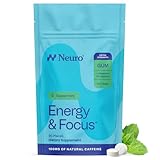
- Fast-Acting Nootropic - Our energy supplements deliver an extra boost of energy and clarity with a blend of natural caffeine, L-theanine, and vitamin b6 & b12. Your go-to chewing gum for work, exercise, and daily focus!
- Clean Energy - Each piece of our sugar free gum delivers 100mg of natural caffeine from green coffee beans for a smooth energy boost without crashes or jitters.
- The Perfect Balance - With 60mg of L-theanine per piece, our energy and focus formula promotes enhanced focus and stress reduction to smooth energy boosts.
- How to Use - Chew one piece of the caffeine gum whenever focus or energy is lacking. Ideal for mornings, pre-workout, or afternoon slumps. Effects typically kick in within minutes thanks to optimal absorption through the mouth.
- Made by Neuro, Backed by Science - At Neuro, we combine neuroscience with clean, science backed ingredients to help you do more, think better, and feel your best every single day.
What can I do to make coffee less likely to upset my stomach?
Try switching to cold brew, opting for lower-acid beans (like some Arabicas), choosing a lighter roast, drinking coffee with food, or adding a pinch of baking soda to your brew to help neutralize acidity.
Are there specific types of coffee that are gentler on the stomach?
Yes, cold brew is generally much lower in acidity. Some brands specifically market “low acid” coffee beans, which are often darker roasts or specially processed.
Could I be allergic to coffee?
While rare, true allergic reactions to coffee are possible. Symptoms would typically be more severe than just stomach upset, including hives, swelling, or breathing difficulties. Most “sickness” from coffee is intolerance, not allergy.
Do energy drinks have less caffeine than coffee?
Not necessarily. The caffeine content can vary widely in both. A typical 8 oz cup of brewed coffee can have 95-200 mg of caffeine, while energy drinks often range from 80 mg to over 300 mg per serving. Always check the label.
Does drinking coffee on an empty stomach make a difference?
Yes, drinking coffee on an empty stomach can increase stomach acid production and lead to faster caffeine absorption, both of which can intensify feelings of nausea, jitters, or digestive discomfort.
What this page does NOT cover (and where to go next)
- Detailed medical advice for chronic digestive conditions (consult a healthcare professional).
- Specific brand recommendations for low-acid coffees or energy drinks.
- In-depth chemical analysis of every compound in coffee and energy drinks.
- The environmental impact of coffee production versus energy drink manufacturing.
- How to make the perfect cup of coffee (explore brewing guides and tutorials).
- The history of coffee or energy drinks.