
Percolator vs. Coffee Maker: Key Differences Explained
Quick answer
- Percolators boil water and repeatedly cycle it through coffee grounds, often leading to a stronger, sometimes bitter brew.
- Most modern coffee makers use gravity or pressure to pass hot water through grounds just once for a cleaner, more nuanced flavor.
- Percolators are typically stovetop or electric, often made of metal, and are great for camping or a bold cup.
- Drip coffee makers are the most common, simple to use, and offer a consistent, milder flavor profile.
- French presses and pour-overs are other popular coffee maker types, each with unique brewing methods.
- Understanding these differences helps you pick the right brewer for your taste and situation.
For a consistently smooth and easy cup, a drip coffee maker is a popular choice, and models like this offer great convenience.
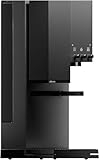
xBloom Studio Coffee Machine – Drip Coffee Maker with Built-in Grinder and Scale, 3 Automation Levels, App Connected Pour Over Coffee Maker for Home and Office, Midnight Black
- 1. Three Levels of Automation for Any Skill Level: Choose from Autopilot, Copilot, or Free Solo mode. Autopilot handles the entire brewing process automatically. Copilot provides step-by-step guidance. Free Solo gives you full manual control. This coffee machine works for beginners and professional baristas alike.
- 2. Intuitive User Interface with Tactile Knobs and LED Matrix: The Studio features physical control knobs and a clear LED Matrix display. You can adjust grind size, water temperature, and flow rate in real time without navigating complicated touchscreen menus.
- 3. Full Customization via the xBloom App: Use the xBloom app to create, adjust, save, and share your favorite coffee recipes. Every brewing parameter can be fine-tuned and synced to the machine instantly. Your perfect cup is saved and repeatable.
- 4. Compostable xPod System for Minimal Waste and Maximum Flavor: Each xPod contains carefully selected whole beans and a built-in filter. Tap the recipe card, pour the beans into the grinder, place the pod into the dock, and press start. No capsules, no extra paper filters, no unnecessary waste.
- 5. What Is Included in the Box: The package includes the xBloom Studio, Omni Dripper 2 with Hyperflow Bottom, 10 paper filters, xPod Dock, Magnetic Dosing Cup, default recipe card, quick start guide, cleaning brush, universal power cord, and a 2-Year xbloom brand warranty. Everything you need is included—along with long-term peace of mind.
If you’re looking for a classic, robust brew, especially for outdoor adventures, consider a stovetop percolator like this one.

Easyworkz Diego Stovetop Espresso Maker Stainless Steel Italian Coffee Machine Maker 6Cup 10 oz Moka Pot Induction Espresso Pot
- [Elegant and Heat Resistant Design] Used the latest manufacturing technology and combined aesthetics to design this elegant espresso coffee pot. The heat resistant hollow insulated lid and handle grip make it convenient to use. Base is heavy gauge Magnetic stainless steel,ensuring its long life time at high temperatured heat resource.
- [Premium Quality 18/8 Stainless Steel Moka Coffee Pot] Made of 18/8 Stainless Steel with high mirror polishing processed. The ability of anti-rust and corrosion is also the best. Can be used for all kinds of heat resource, such as gas stove , induction burner , electric cooktop.Easy to clean and disassemble. Dishwasher safe.
- [6 Cups of Espresso ] Could brew 6 full espresso cups (10 fl.oz/300ml). Brew with our coffee maker, your coffee will be extra strong ,rich and aromatous. We suggest brew with 25g fine grinding coffee and water for its best tasting.
- [Reducer&Safe Valve Included] With this coffee reducer, you could make less espresso one time to meet your unique taste. Takes less than 5 minutes to brew on heat and designed with the valve for the double safety.
- [Well made and Inspected in Own Factory] Made and quality inspected in own factory. Over 10 years’ coffee maker manufacturing experience ensures its great quality and we provide 24 months quality guranteed after sale service.
Key terms and definitions
- Percolator: A coffee brewing device that circulates boiling or near-boiling water through coffee grounds repeatedly.
- Coffee Maker: A broad term for any device used to brew coffee, including drip machines, espresso machines, and French presses.
- Drip Coffee Maker: The most common type, where hot water drips through coffee grounds held in a filter.
- Brewing Cycle: The complete process of water interacting with coffee grounds to extract flavor.
- Extraction: The process of dissolving soluble compounds from coffee grounds into water.
- Bitterness: A flavor often associated with over-extraction or brewing at too high a temperature.
- Acidity: A bright, tangy flavor note in coffee, desirable in moderation.
- Body: The perceived weight or richness of coffee on the palate.
- Stovetop Percolator: A percolator designed to be heated on a kitchen stove.
- Electric Percolator: A percolator with its own heating element, often portable.
How it works
- Percolator Method: Water at the bottom heats up.
- This hot water rises through a central tube.
- It then showers over the coffee grounds in a basket at the top.
- The brewed coffee drips back down, mixing with the remaining water.
- This cycle repeats, heating and re-brewing the coffee.
- It keeps the coffee hot by maintaining this circulation.
- Some electric models have a “ready” light or automatic shut-off.
- The constant re-brewing is the key difference.
- This can lead to a potent, sometimes intense cup.
What affects the result
- Water Temperature: Too hot, and you get bitter coffee. Too cool, and it’s weak. Percolators often run hotter.
- Coffee Grind Size: Coarser grinds work best for percolators to avoid clogging. Finer grinds are for drip.
- Coffee-to-Water Ratio: The amount of coffee grounds versus water. Too little coffee means weak flavor; too much can be overpowering.
- Brew Time: How long the water is in contact with the grounds. Percolators brew longer due to the cycle.
- Freshness of Beans: Freshly roasted and ground beans make a huge difference, no matter the brewer.
- Water Quality: Filtered water tastes better than tap water.
- Brewer Material: Metal percolators can sometimes impart a slight metallic taste if not well-maintained.
- Type of Brewer: Drip, percolator, French press – they all extract differently.
- Cleanliness: Old coffee oils can make any brew taste stale or bitter. Keep your gear clean.
- Altitude: Water boils at a lower temperature at higher altitudes, which can affect brewing.
- Agitation: How much the coffee grounds are disturbed during brewing. Percolators agitate a lot.
- Roast Level: Darker roasts are less forgiving with higher temperatures.
Pros, cons, and when it matters
- Percolator Pros:
- Can produce a very strong, bold cup.
- Durable, often made of metal, great for camping.
- Keeps coffee hot for extended periods.
- Simple to operate, especially stovetop models.
- Can be more forgiving with coarser grinds.
- Percolator Cons:
- High risk of over-extraction, leading to bitterness.
- Can scorch coffee due to high temperatures.
- Lacks the nuance of single-pass brewing.
- Cleaning can be a bit more involved.
- Not ideal for delicate, single-origin beans.
- Coffee Maker (Drip) Pros:
- Produces a cleaner, more balanced flavor.
- Easier to control brew parameters for nuanced results.
- Wide variety of models available, from basic to advanced.
- Generally easy to clean.
- Great for showcasing the subtle notes of different beans.
- Coffee Maker (Drip) Cons:
- Can be less durable than metal percolators.
- Some cheaper models may not reach optimal brewing temperature.
- Doesn’t keep coffee hot as long without a warming plate (which can also degrade flavor).
- Requires paper filters, an ongoing cost.
- When it Matters:
- For a no-nonsense, robust morning jolt, a percolator might be your jam.
- If you’re camping and want simple, durable gear, a percolator shines.
- For appreciating the complex flavors of specialty coffee, a drip maker, French press, or pour-over is usually the way to go.
- If you want consistent, easy results every day, a good drip machine is hard to beat.
Common misconceptions
- Myth: Percolators make the strongest coffee.
- Reality: They make bold coffee, but “strength” is subjective and can lean bitter due to over-extraction.
- Myth: All coffee makers brew at the same temperature.
- Reality: Optimal brewing is around 195-205°F (90-96°C). Cheaper machines might not hit this.
- Myth: You need special coffee for a percolator.
- Reality: A coarser grind is recommended to prevent grounds from escaping the basket.
- Myth: A hotter brew always means better coffee.
- Reality: Too hot burns the grounds, leading to bitterness. Temperature control is key.
- Myth: Drip coffee makers are all the same.
- Reality: Models vary wildly in brew quality, features, and temperature control.
- Myth: Reheating coffee is fine.
- Reality: Reheating, especially on a hot plate, degrades flavor quickly. Brew what you’ll drink.
- Myth: The darker the roast, the more caffeine.
- Reality: Lighter roasts often have slightly more caffeine by weight, but darker roasts can be less dense, so volume matters. It’s complicated!
- Myth: You can use any grind size in any coffee maker.
- Reality: Grind size is crucial for proper extraction in each brewing method.
FAQ
- Q: Can I use a percolator to make iced coffee?
A: Yes, but it’s not ideal. The strong, hot brew might be too bitter when chilled. You’d likely need to dilute it.
- Q: Is a percolator better for camping than a drip coffee maker?
A: Often, yes. Stovetop percolators are rugged and don’t need electricity, making them a classic camping choice.
- Q: Will a percolator make my coffee taste burnt?
A: It can, if the water is too hot or it brews for too long. This repeated boiling and cycling is the culprit.
- Q: How do I clean a percolator properly?
A: Disassemble all parts, wash with warm, soapy water, and rinse thoroughly. For stubborn stains, a baking soda paste can help. Check the manual for specifics.
- Q: What’s the main difference in taste between a percolator and a drip coffee maker?
A: Percolators tend to be bolder, more intense, and sometimes bitter. Drip coffee is generally cleaner, brighter, and more nuanced.
- Q: Can I use pre-ground coffee in a percolator?
A: Yes, but a coarser grind is best. Standard pre-ground coffee for drip makers might be too fine and cause sediment.
- Q: Are electric percolators safe to use outdoors?
A: If they are designed for outdoor use and have appropriate safety features, yes. Always follow manufacturer instructions.
- Q: Does a percolator use more energy than a drip coffee maker?
A: Stovetop percolators use the energy of your stove. Electric percolators have their own heating element, similar to drip machines, but the heating cycles can vary.
If you prefer the convenience of an electric brewer that’s easy to use and clean, an electric coffee maker is a solid option.

APOXCON Electric Coffee Percolator Stainless Steel Coffee Maker with Clear Brew Progress Tough Glass Knob and On/OFF Switch Classic Coffee Pot with Keep Warm & Cordless Serve No Aluminum (12 Cup)
- CAPACITY: Large 12-cup stainless steel percolator perfect for serving multiple people, featuring a durable construction with no aluminum components. Total Capacity: 1.8 Liters (60 fl oz), brews 6-12 cups, 1cup ≈150ml(5 oz)
- BREWING VISIBILITY: Clear glass knob allows you to monitor the percolation process while your coffee brews to desired strength.
- CONVENIENT FEATURES: Equipped with an easy-to-use ON/OFF switch and automatic keep-warm function to maintain optimal coffee temperature. Detachable base enables convenient, cord-free pouring and serving at the table
- ERGONOMIC DESIGN: Cool-touch handle provides comfortable and safe handling, while the stainless steel body ensures lasting durability
- TIPS: Start with room temperature or cool water for proper brewing. Fill water above the minimum marking line. Coarse Grounds are Recommended. Recommended to use filter paper for fine ground. Durable stainless steel construction, backed by a 【1-year Limited Warranty】
See also: How To Make Coffee In A Tea Bag.
See also: Is Aunt Jemima Coffee Cake Still Available.
See also: Using Bodum Coffee Makers For Cold Brew.
What this page does NOT cover (and where to go next)
- Specific model recommendations or brand comparisons. (Check coffee enthusiast forums or review sites.)
- Detailed guides on espresso machine operation. (Look for guides on espresso brewing.)
- Advanced techniques like latte art or cold brew concentrate. (Search for “specialty coffee techniques.”)
- The science of coffee bean roasting and origins. (Explore resources on coffee agronomy and sensory analysis.)
- How to repair specific coffee maker models. (Consult your appliance manual or manufacturer support.)