
How To Make Coffee In A Tea Bag
Quick answer
- Yes, you can make coffee in a tea bag. It’s a simple DIY hack.
- Use a clean, unused tea bag. Paper or cloth works best.
- Grind your coffee beans medium-fine. Think coarse sand.
- Fill the tea bag about halfway with grounds. Don’t overstuff.
- Steep it like tea, in hot water. About 4 minutes is a good start.
- Adjust steeping time and coffee amount to taste.
- It won’t be perfect, but it’s coffee in a pinch.
Who this is for
- The traveler who forgot their brewer.
- The camper who wants a decent cup without fancy gear.
- The curious home brewer looking for a quick, cheap experiment.
What to check first
Brewer type and filter type
This method is the brewer and filter. You’re using a tea bag as both. So, the “brewer type” is immersion, like a French press or cowboy coffee. The “filter type” is the tea bag itself. Make sure it’s a plain, unused tea bag. No flavors or weird stuff. Paper or fine-mesh cloth bags are ideal. Avoid plastic ones if you can.
For this method, you’ll need plain, unused tea bags. These empty tea bags are perfect for making coffee or your own custom tea blends.
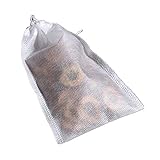
TamBee 100 Pack Disposable Tea Filter Bags Tea infusers 4″ x 6″ Empty Muslin Drawstring Seal Filter Tea Bags Drawstring Herb Loose Tea bag for Brew Tea Cold Brew Coffee(4″ x 6″ /10 x 15cm)
- ENDURING MATERIALS – Our empty tea bags made of non woven fabric, hold herbs and tea well without leakage, offering exceptional filtration capabilities
- VERSATILE USE – Our tea bags are ideal for batch brewing, loose leaf tea, cold brew coffee, bath tea, and foot tea. They can also be used as seasoning packs for cooking or for holding candies, herbs, soap, making lavender sachets, and packaging jewelry or small gifts.
- CONVENIENT FOR TEA – Our tea bags for loose leaf tea seal it off by string, draw string closure, simple to fill and steep
- DIMENSION – 3.93 ×5.91 inch / 100 mm x 150 mm, Quantity -100 Count,our tea bags are spacious, about the size of a standard smartphone
- REUSABLE – Our reusable tea bags hold herbs and tea well without leakage, and can be reused multiple times It is also suitable for holding candies, herbs, soap, or making lavender sachets, packaging jewelry, small gifts, etc.
Water quality and temperature
Good water makes good coffee. If your tap water tastes off, your coffee will too. Use filtered water if possible. For temperature, aim for just off the boil. Around 200°F is sweet. Too hot, and you’ll scorch the grounds. Too cool, and you won’t extract enough flavor. Let your boiling water sit for about 30 seconds to a minute before pouring.
Grind size and coffee freshness
This is key for this method. You want a medium-fine grind. Think coarse sand or sea salt. Too fine, and the grounds will escape the bag and make your coffee muddy. Too coarse, and you won’t get enough flavor. Freshly ground beans are always best. Pre-ground coffee loses flavor fast. If you can, grind right before you brew.
Freshly ground beans are always best for optimal flavor. Consider using high-quality coffee grounds for a superior taste experience.

Peet’s Coffee, Medium Roast Ground Coffee, 100% Arabica Coffee – Breakfast Blend 28 Ounce Bag
- Contains one (1) 28 Ounce Bag of Peet’s French Roast Ground 100% Arabica Coffee
- Flavor and Roast: Medium Roast. Flavor notes of citrus and hints of brown sugar and cocoa.
- Brewing Methods: Our ground coffee is perfectly suited to make drip or a pour over in your Chemex. For other brewing methods – espresso, cold brew, or French press – consider our whole bean coffees and griding at home
- Sourcing With Impact: The coffee you buy can impact the welfare of the people and planet. Peet’s is actively engaged in driving positive impact in communities where our coffees are grown
- Rich. Complex. Incomparable. Masters of our craft for over 50 years, we hand roast the very best coffees in the world.
Coffee-to-water ratio
This is where you’ll do most of your experimenting. A good starting point is about 1-2 tablespoons of coffee grounds per 8 ounces of water. Since you’re filling a tea bag, it’s a bit of an art. Start with enough grounds to fill the bag about halfway. You can always add more coffee or water next time. It’s better to start weaker and build up.
Cleanliness/descale status
Since you’re using a tea bag, the main cleanliness concern is the tea bag itself. Make sure it’s brand new and has no residual flavors or scents. If you’re reusing a cloth tea bag (not recommended for coffee), ensure it’s thoroughly cleaned and dried. Any lingering tea taste will definitely mess with your coffee.
Step-by-step (brew workflow)
1. Gather your supplies.
- What to do: Get a clean, unused tea bag, your coffee grounds, a mug, and hot water.
- What “good” looks like: Everything is ready to go, no last-minute scrambling.
- Common mistake: Forgetting the tea bag or only having flavored ones. Always double-check.
2. Prepare the tea bag.
- What to do: Open the tea bag. If it has a string, leave it. If it’s a fold-over type, you’ll just fold it closed.
- What “good” looks like: The bag is open and ready to receive coffee.
- Common mistake: Trying to stuff grounds into a closed bag. Open it up first!
3. Add coffee grounds.
- What to do: Spoon your medium-fine coffee grounds into the tea bag. Aim to fill it about halfway.
- What “good” looks like: The grounds are evenly distributed in the bag.
- Common mistake: Overfilling the bag. This can lead to grounds escaping and a weak brew because there’s not enough room for water to circulate.
4. Seal the tea bag.
- What to do: Fold over the top of the tea bag to close it securely. If it has a string, tie it loosely or just tuck it in.
- What “good” looks like: The bag is sealed well enough to keep most grounds inside.
- Common mistake: Not sealing it properly. This is a recipe for muddy coffee.
5. Heat your water.
- What to do: Heat fresh, filtered water to about 200°F (just off the boil).
- What “good” looks like: You have hot water ready, not boiling vigorously.
- Common mistake: Using water that’s too hot or too cold. Too hot scorches, too cold under-extracts.
6. Place the bag in the mug.
- What to do: Put the filled tea bag into your empty mug.
- What “good” looks like: The bag sits comfortably in the mug.
- Common mistake: Trying to pour water over a bag that’s not yet in the mug. Spills happen.
7. Pour hot water over the bag.
- What to do: Slowly pour the hot water over the tea bag in the mug, ensuring it’s fully submerged.
- What “good” looks like: The grounds start to bloom and release their aroma.
- Common mistake: Pouring too fast and splashing. Go gentle.
8. Steep the coffee.
- What to do: Let the tea bag steep in the hot water. Start with 4 minutes. You can gently agitate the bag once or twice.
- What “good” looks like: The water is turning a rich brown color.
- Common mistake: Steeping for too short or too long. Too short is weak; too long is bitter.
9. Remove the tea bag.
- What to do: Carefully lift the tea bag out of the mug. Let it drip for a second, then discard.
- What “good” looks like: The bag is removed, leaving you with brewed coffee.
- Common mistake: Squeezing the bag hard. This releases bitter compounds and sediment. Just let it drip.
10. Adjust and enjoy.
- What to do: Taste your coffee. Add more hot water for a lighter brew, or consider using more grounds next time for a stronger cup.
- What “good” looks like: A cup of coffee you’re happy with.
- Common mistake: Giving up after the first try. This method takes a little tweaking.
Common mistakes (and what happens if you ignore them)
| Mistake | What it causes | Fix |
|---|---|---|
| Using a flavored or scented bag | Coffee tastes like tea or artificial flavoring | Use plain, unbleached paper or cloth tea bags only. |
| Using pre-ground coffee | Stale, weak, or bitter flavor | Grind your beans fresh just before brewing for optimal taste. |
| Grind is too fine | Muddy coffee, grounds escaping the bag | Use a medium-fine grind (like coarse sand). |
| Grind is too coarse | Weak, watery coffee, lacking flavor | Ensure your grind is fine enough to extract flavor effectively. |
| Overfilling the tea bag | Poor extraction, grounds can escape | Fill the bag only about halfway so water can circulate freely. |
| Not sealing the bag properly | Coffee grounds in your cup, muddy texture | Fold or tie the bag securely to keep grounds contained. |
| Using water that’s too hot | Scorched coffee, bitter taste | Let boiling water sit for 30-60 seconds before pouring (around 200°F). |
| Steeping too long | Bitter, astringent coffee | Start with 4 minutes and adjust based on your taste preference. |
| Squeezing the tea bag | Bitter compounds and sediment released into coffee | Let the bag drip naturally; avoid aggressive squeezing. |
| Using poor quality water | Off-flavors in your coffee | Use filtered or good-tasting tap water for the best results. |
Decision rules (simple if/then)
- If your coffee tastes weak, then add more coffee grounds next time because the ratio is off.
- If your coffee tastes bitter, then steep for a shorter time or use slightly cooler water because you might be over-extracting.
- If you see grounds in your cup, then use a coarser grind or a bag with a tighter weave because your current grind is too fine for the filter.
- If your coffee tastes like tea, then you used a flavored tea bag and need to switch to a plain one because residual flavors transfer.
- If the water isn’t extracting much color, then your water might be too cool or your grind too coarse because extraction needs heat and fine enough particles.
- If you want a bolder flavor, then try filling the tea bag a bit more next time because a higher coffee-to-water ratio yields a stronger brew.
- If you’re camping and only have a fine-mesh strainer, then you can try the pour-over method instead, because that’s a more reliable way to filter coffee without a paper filter.
- If you’re finding it hard to get the grounds into the bag evenly, then use a small funnel or a spoon to help guide them in because an even distribution helps with consistent extraction.
- If you’re concerned about heat safety, then always use a stable surface for your mug and be mindful of where you place the hot water because spills can cause burns.
- If you’re not getting the flavor you want after a few tries, then experiment with different coffee beans because the bean itself plays a huge role.
FAQ
Can I really make coffee in a tea bag?
Yep. It’s a straightforward method for getting a cup of coffee when you don’t have your usual gear. Just grab a clean tea bag and some coffee grounds.
What kind of tea bag should I use?
Stick to plain, unbleached paper or fine-mesh cloth tea bags. Avoid anything with added flavors, scents, or plastic components, as these can transfer to your coffee.
How much coffee should I put in the bag?
A good starting point is enough grounds to fill the tea bag about halfway. You’ll likely need to experiment to find your perfect ratio, but this gives you room for water to flow.
How long should I steep it?
Start with about 4 minutes. If it’s too weak, try steeping a bit longer next time or using more grounds. If it’s too bitter, shorten the steep time.
Will it taste exactly like coffee from a machine?
Probably not. This DIY method is more like an immersion brew. It’s a decent cup in a pinch, but it won’t replicate the precision of a drip machine or espresso maker.
What if I don’t have a tea bag?
You can try other DIY filters. A clean piece of cheesecloth or even a coffee filter secured with a rubber band might work, though it’s less convenient than a tea bag.
Can I reuse a tea bag for coffee?
It’s generally not recommended. Tea bags are often designed for single use, and any residual flavors or a weakened material could negatively impact your coffee.
What’s the best grind size for this?
You want a medium-fine grind, similar to coarse sand. If it’s too fine, grounds will escape. If it’s too coarse, you won’t extract enough flavor.
See also: Is Aunt Jemima Coffee Cake Still Available.
See also: Using Bodum Coffee Makers For Cold Brew.
See also: Making Coffee In Red Dead Redemption 2.
What this page does NOT cover (and where to go next)
- Specific coffee bean recommendations. (Explore different roasts and origins at your local roaster.)
- Advanced brewing techniques like siphon or Aeropress. (Look for guides on specific brewers.)
- Dialing in espresso for an espresso machine. (Espresso requires specialized equipment and knowledge.)
- The science of coffee extraction in detail. (Many coffee blogs and books dive deep into the chemistry.)
- Commercial coffee maker reviews. (Check out tech review sites or coffee-specific publications.)