
Percolator vs. Drip Coffee: Which Brews Better?
Quick Answer
- Percolators can be finicky and tend to over-extract, leading to bitter coffee.
- Drip coffee makers offer more control and consistency, usually resulting in a cleaner cup.
- The “what makes better coffee percolator or drip” question often comes down to personal taste and brewing skill.
- For most folks seeking a smooth, balanced cup, drip coffee is the easier path.
- Percolators can make a strong, bold cup if you nail the technique, but it’s a tougher gig.
- Freshness of beans and water quality matter way more than the brewer itself.
Key Terms and Definitions
- Percolator: A coffee brewing device that cycles hot water up through coffee grounds repeatedly.
- Drip Coffee Maker: An automatic machine that heats water and drips it over coffee grounds in a filter.
- Extraction: The process of dissolving soluble compounds from coffee grounds into water.
- Over-extraction: Brewing too long or too hot, pulling out bitter compounds. This is a common percolator pitfall.
- Under-extraction: Not brewing long enough or hot enough, resulting in weak, sour coffee.
- Bloom: The initial release of CO2 from fresh coffee grounds when hot water is added. Drip makers handle this well.
- Grind Size: The coarseness or fineness of coffee grounds. Crucial for both methods.
- Brew Ratio: The proportion of coffee grounds to water. Affects strength and flavor.
- Sediment: Fine coffee particles that can end up in your cup, especially common with percolators.
- Carafe: The pot that collects the brewed coffee.
How It Works: Percolator vs. Drip Coffee
- Percolator Action: Water in the bottom chamber heats up. Steam pressure pushes it up a tube. It then showers over the coffee grounds in a basket.
- Cycling Process: The brewed coffee then drips back down into the bottom chamber, mixing with fresh hot water. This cycle repeats.
- Drip Machine Heating: Water is heated in a reservoir, usually to a specific temperature range.
- Gravity’s Role: The hot water then flows through a showerhead onto the grounds in a filter basket.
- Filtration: The brewed coffee drips through the filter, separating grounds from liquid.
- Collection: The finished coffee collects in a carafe below the filter basket.
- Temperature Control: Drip machines aim for a consistent brew temperature, typically between 195-205°F.
- Percolator Temperature: Percolators can reach boiling temperatures, which is often too hot for optimal extraction.
- Continuous Brewing: The repeated cycling in a percolator can lead to over-extraction.
- Single Pass: Drip coffee involves a single pass of water over the grounds, which is generally more controlled.
What Affects the Result: What Makes Better Coffee Percolator or Drip
- Coffee Bean Freshness: Stale beans make bad coffee, no matter the brewer. Always go for freshly roasted beans.
- Grind Consistency: A uniform grind is key. Too fine in a drip can clog; too coarse in a percolator won’t extract enough.
- Water Quality: Filtered water makes a noticeable difference. Tap water with strong flavors can mess up your brew.
- Water Temperature: Drip machines usually nail this. Percolators can get too hot, scorching the grounds.
- Brew Ratio: Getting the right balance of coffee to water is crucial for both. Too much or too little grounds changes everything.
- Brew Time/Cycle: Percolators brew continuously, risking over-extraction. Drip machines have a set brew cycle.
- Brewer Cleanliness: Both need regular cleaning. Old coffee oils turn rancid and ruin taste.
- Filter Type (Drip): Paper filters catch more oils and fines, leading to a cleaner cup. Metal filters allow more oils through.
- Percolator Design: Some percolators have better heat distribution and basket designs than others.
- User Technique: Honestly, how you use the machine matters. Knowing your percolator’s quirks is a skill.
- Roast Level: Darker roasts are more forgiving in percolators, while lighter roasts show off more in a well-made drip.
- Freshness of Brew: Coffee tastes best right after brewing, for both methods. Don’t let it sit on a hot plate too long.
Pros, Cons, and When It Matters
- Percolator Pros:
- Can make a very strong, bold cup.
- Often durable and simple, especially stovetop models.
- No disposable filters needed for some models.
- Can be great for camping or off-grid situations.
- The ritual can be satisfying for some.
- Percolator Cons:
- High risk of over-extraction and bitter coffee.
- Difficult to control brew temperature precisely.
- Can produce a muddy cup with sediment.
- Requires more attention during brewing to avoid boiling over.
- Not ideal for showcasing delicate, nuanced coffee flavors.
- Drip Coffee Maker Pros:
- Consistent and predictable results.
- Easy to use, often programmable.
- Generally produces a cleaner, smoother cup.
- Good temperature control for optimal extraction.
- Widely available in many sizes and price points.
- Drip Coffee Maker Cons:
- Requires disposable paper filters (usually).
- Can be more complex to clean than a simple percolator.
- Some cheaper models have poor temperature control.
- Less “hands-on” for those who enjoy the brewing process.
- Plastic components can sometimes affect taste if not clean.
- When It Matters:
- If you like a super strong, almost intense coffee flavor, a well-used percolator might appeal.
- If you want a reliable, easy-to-make cup every morning, drip is usually the winner.
- For brewing lighter, more complex coffees, drip offers better control.
- If you’re camping and have a stovetop, a percolator is a classic choice.
- If you’re new to brewing and want great coffee without fuss, start with a good drip machine.
If you’re new to brewing and want great coffee without fuss, start with a good drip machine. This drip coffee maker offers reliable results and is a great entry point.
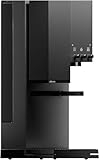
- 1. Three Levels of Automation for Any Skill Level: Choose from Autopilot, Copilot, or Free Solo mode. Autopilot handles the entire brewing process automatically. Copilot provides step-by-step guidance. Free Solo gives you full manual control. This coffee machine works for beginners and professional baristas alike.
- 2. Intuitive User Interface with Tactile Knobs and LED Matrix: The Studio features physical control knobs and a clear LED Matrix display. You can adjust grind size, water temperature, and flow rate in real time without navigating complicated touchscreen menus.
- 3. Full Customization via the xBloom App: Use the xBloom app to create, adjust, save, and share your favorite coffee recipes. Every brewing parameter can be fine-tuned and synced to the machine instantly. Your perfect cup is saved and repeatable.
- 4. Compostable xPod System for Minimal Waste and Maximum Flavor: Each xPod contains carefully selected whole beans and a built-in filter. Tap the recipe card, pour the beans into the grinder, place the pod into the dock, and press start. No capsules, no extra paper filters, no unnecessary waste.
- 5. What Is Included in the Box: The package includes the xBloom Studio, Omni Dripper 2 with Hyperflow Bottom, 10 paper filters, xPod Dock, Magnetic Dosing Cup, default recipe card, quick start guide, cleaning brush, and universal power cord. Everything you need is included.
If you’re camping and have a stovetop, a percolator is a classic choice for brewing a strong cup. Consider a durable stovetop percolator like this one for your adventures.

- [Elegant and Heat Resistant Design] Used the latest manufacturing technology and combined aesthetics to design this elegant espresso coffee pot. The heat resistant hollow insulated lid and handle grip make it convenient to use. Base is heavy gauge Magnetic stainless steel,ensuring its long life time at high temperatured heat resource.
- [Premium Quality 18/8 Stainless Steel Moka Coffee Pot] Made of 18/8 Stainless Steel with high mirror polishing processed. The ability of anti-rust and corrosion is also the best. Can be used for all kinds of heat resource, such as gas stove , induction burner , electric cooktop.Easy to clean and disassemble. Dishwasher safe.
- [6 Cups of Espresso ] Could brew 6 full espresso cups (10 fl.oz/300ml). Brew with our coffee maker, your coffee will be extra strong ,rich and aromatous. We suggest brew with 25g fine grinding coffee and water for its best tasting.
- [Reducer&Safe Valve Included] With this coffee reducer, you could make less espresso one time to meet your unique taste. Takes less than 5 minutes to brew on heat and designed with the valve for the double safety.
- [Well made and Inspected in Own Factory] Made and quality inspected in own factory. Over 10 years' coffee maker manufacturing experience ensures its great quality and we provide 24 months quality guranteed after sale service.
Common Misconceptions
- Myth: Percolators are inherently better because they’re “old school.”
- Reality: Old school doesn’t always mean better. Brewing science has advanced.
- Myth: Drip coffee is always weak and watery.
- Reality: This depends entirely on the machine, grind, and ratio. A good drip brewer makes a robust cup.
- Myth: You can just throw any coffee grounds into a percolator.
- Reality: Grind size is critical. Too fine and it clogs; too coarse and it’s weak.
- Myth: Boiling water is best for coffee.
- Reality: Most coffee experts agree that water just off the boil (195-205°F) is ideal. Boiling can scorch grounds.
- Myth: More coffee grounds always make a stronger, better cup.
- Reality: There’s an optimal ratio. Too much coffee can lead to bitterness and wasted beans.
- Myth: The coffee maker itself is the only thing that matters for taste.
- Reality: Bean quality, grind, water, and freshness play huge roles, often more than the brewer.
- Myth: Percolators don’t need cleaning because they’re just boiling water.
- Reality: Coffee oils build up and go rancid, affecting taste. Regular cleaning is essential.
- Myth: Drip coffee makers can’t make “specialty” coffee.
- Reality: Many high-end drip machines are designed specifically to brew specialty coffee with precision.
FAQ
- Can a percolator make good coffee?
Yes, it’s possible, but it takes practice and careful attention. You need to manage the brew time and avoid boiling the grounds too vigorously. It’s a different kind of good than drip coffee.
- Why does my percolator coffee taste bitter?
This is usually due to over-extraction. The coffee grounds are likely being exposed to water that’s too hot, or the brewing cycle is too long, pulling out bitter compounds.
- What’s the best grind size for a percolator?
Generally, a coarser grind than for drip coffee is recommended. Think of a sea salt consistency. This helps prevent grounds from getting into your cup and slows extraction.
- What’s the best grind size for drip coffee?
Medium grind is typical for most automatic drip machines, similar to regular sand. If your coffee is weak, try a slightly finer grind; if it’s bitter, go a bit coarser.
- Does the type of filter matter for drip coffee?
Yes, absolutely. Paper filters trap more oils and fine particles, resulting in a cleaner, brighter cup. Metal filters allow more oils and some fines through, giving a fuller body.
- How much coffee should I use in my percolator or drip maker?
A good starting point is the “golden ratio” of 1:15 to 1:18, meaning 1 gram of coffee to 15-18 grams of water. For ounces, that’s roughly 1-2 tablespoons of grounds per 6 oz of water. Adjust to your taste.
- Can I use a percolator to make iced coffee?
You can brew a very strong batch in a percolator and then pour it over ice. However, the potential for bitterness might carry over.
- Is electric percolator coffee different from stovetop?
The brewing principle is the same, but electric models often have less control over temperature and can be more prone to boiling over if not watched. Stovetop gives you more direct heat control.
For those seeking convenience, an electric coffee maker can be a good option. This electric coffee maker provides consistent results with minimal effort.

- CAPACITY: Large 12-cup stainless steel percolator perfect for serving multiple people, featuring a durable construction with no aluminum components. Total Capacity: 1.8 Liters (60 fl oz), brews 6-12 cups, 1cup ≈150ml(5 oz)
- BREWING VISIBILITY: Clear glass knob allows you to monitor the percolation process while your coffee brews to desired strength. 【Spare one for replacement】
- CONVENIENT FEATURES: Equipped with an easy-to-use ON/OFF switch and automatic keep-warm function to maintain optimal coffee temperature. Detachable base enables convenient, cord-free pouring and serving at the table
- ERGONOMIC DESIGN: Cool-touch handle provides comfortable and safe handling, while the stainless steel body ensures lasting durability
- TIPS: Start with room temperature or cool water for proper brewing. Fill water above the minimum marking line. Coarse Grounds are Recommended. Recommended to use filter paper for fine ground. Durable stainless steel construction, backed by a 【1-year Limited Warranty】
What This Page Does Not Cover (and Where to Go Next)
- Specific cleaning instructions for individual percolator or drip machine models. (Check your manual for details.)
- Detailed comparisons of specific brands or models of coffee makers. (Look for reviews on coffee enthusiast sites.)
- Advanced brewing techniques like pour-over or Aeropress. (Explore dedicated guides for those methods.)
- The science behind specific flavor compounds in coffee. (Seek out books or articles on coffee chemistry.)
- Recommendations for specific coffee roasters or bean origins. (Visit local coffee shops or specialty online retailers.)