
Espresso Machine vs. Coffee Maker: What’s The Difference?
Quick answer
- Espresso machines force hot water through finely-ground coffee under high pressure.
- Coffee makers typically use gravity to let hot water drip through coarser grounds.
- Espresso is concentrated, with a crema layer. Coffee is brewed in larger volumes.
- Pressure is the big differentiator. Espresso machines use a lot, coffee makers use none.
- You get a different drink. Espresso is a base for lattes, cappuccinos. Coffee maker coffee is for sipping.
- It’s all about how you extract that good stuff from the bean.
Key terms and definitions
- Espresso: A concentrated coffee beverage brewed by forcing hot, pressurized water through finely-ground coffee beans.
- Coffee Maker: A general term for a device that brews coffee, typically using gravity and hot water.
- Pressure: The force applied to the water during brewing. Crucial for espresso, minimal for drip coffee.
- Extraction: The process of dissolving soluble compounds from coffee grounds into water.
- Crema: The reddish-brown foam layer on top of a properly brewed espresso, formed by emulsified oils and CO2.
- Grind Size: How finely or coarsely the coffee beans are ground. Espresso needs fine, drip coffee needs coarser.
- Brew Ratio: The proportion of coffee grounds to water used in brewing.
- Portafilter: The basket on an espresso machine that holds the coffee grounds.
- Drip Coffee: Coffee brewed by letting hot water slowly pass through coffee grounds held in a filter.
- Pump: The component in an espresso machine that generates the high pressure needed for brewing.
How it works
- Espresso Machine: It heats water and then uses a powerful pump to push it through a tightly packed puck of finely ground coffee.
- This high pressure (usually 9 bars or more) forces the water through the grounds rapidly.
- The rapid, pressurized extraction pulls out oils and dissolved solids differently than other methods.
- This process is quick, typically taking only 20-30 seconds.
- The result is a small, intense shot of coffee with that signature crema.
- Many machines also use steam wands to heat and froth milk for espresso-based drinks.
- Think of it like a high-speed, high-force extraction.
- Coffee Maker (Drip): Water is heated and then drips, or is poured, over coffee grounds held in a filter basket.
- Gravity is the primary force here. There’s no significant pressure involved.
- The hot water slowly saturates the grounds, allowing for a more gradual extraction.
- This process takes longer, usually several minutes.
- The brewed coffee then drips into a carafe or mug below.
- It’s a more passive, gravity-driven process.
- Simple, reliable, and makes a good amount of coffee.
For those who prefer a straightforward cup, a reliable drip coffee maker is an excellent choice. This type of machine is simple to use and brews larger batches, perfect for your morning routine.
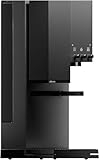
- 1. Three Levels of Automation for Any Skill Level: Choose from Autopilot, Copilot, or Free Solo mode. Autopilot handles the entire brewing process automatically. Copilot provides step-by-step guidance. Free Solo gives you full manual control. This coffee machine works for beginners and professional baristas alike.
- 2. Intuitive User Interface with Tactile Knobs and LED Matrix: The Studio features physical control knobs and a clear LED Matrix display. You can adjust grind size, water temperature, and flow rate in real time without navigating complicated touchscreen menus.
- 3. Full Customization via the xBloom App: Use the xBloom app to create, adjust, save, and share your favorite coffee recipes. Every brewing parameter can be fine-tuned and synced to the machine instantly. Your perfect cup is saved and repeatable.
- 4. Compostable xPod System for Minimal Waste and Maximum Flavor: Each xPod contains carefully selected whole beans and a built-in filter. Tap the recipe card, pour the beans into the grinder, place the pod into the dock, and press start. No capsules, no extra paper filters, no unnecessary waste.
- 5. What Is Included in the Box: The package includes the xBloom Studio, Omni Dripper 2 with Hyperflow Bottom, 10 paper filters, xPod Dock, Magnetic Dosing Cup, default recipe card, quick start guide, cleaning brush, universal power cord, and a 2-Year xbloom brand warranty. Everything you need is included—along with long-term peace of mind.
What affects the result
- Water Quality: Clean, filtered water makes a huge difference. Bad water means bad coffee, no matter the machine.
- Coffee Bean Freshness: Stale beans won’t give you that vibrant flavor. Look for roasted-on dates.
- Grind Size: This is huge. Espresso needs a super fine, consistent grind. Drip coffee needs coarser. Get it wrong, and it’s a mess.
- Brew Ratio: Too much coffee, too little water? You get a bitter bomb. Too little coffee, too much water? Weak sauce. It’s about balance.
- Water Temperature: Too hot burns the coffee. Too cool under-extracts. For espresso, it’s usually in the 195-205°F range. Drip machines vary.
- Pressure (Espresso Only): This is the defining factor. Consistent, high pressure is key for espresso extraction.
- Brew Time: How long the water is in contact with the grounds. Too short or too long messes with the flavor.
- Tamping (Espresso Only): How tightly the coffee grounds are packed in the portafilter. Even tamping is important.
- Brewer Type: Different designs have different flow rates and contact times, even within “coffee makers.”
- Cleanliness: A dirty machine will make your coffee taste like old gym socks. Keep it clean.
- Roast Level: Darker roasts extract differently than lighter roasts. They’re more soluble.
- Water Hardness: Too hard or too soft can affect extraction and even damage your machine over time.
Pros, cons, and when it matters
- Espresso Machine:
- Pros: Makes true espresso, intense flavor, base for milk drinks, quick shot.
- Cons: Expensive, complex to use, requires fine-tuning, needs specific grind.
- When it matters: You love lattes, cappuccinos, or just a super-concentrated coffee kick. You appreciate the craft.
- Coffee Maker (Drip):
- Pros: Affordable, easy to use, makes large batches, versatile for daily drinking.
- Cons: No espresso, flavor can be less nuanced than other methods, requires filter paper (usually).
- When it matters: You need your morning caffeine fix quickly and in volume. You prefer a straightforward cup. It’s the workhorse of the coffee world.
- Pressure:
- Pro (Espresso): Creates unique texture and flavor profile.
- Con (Espresso): Requires specialized equipment.
- When it matters: If you’re chasing that authentic espresso experience.
- Brew Volume:
- Pro (Coffee Maker): Great for serving multiple people.
- Con (Espresso): Typically makes very small servings.
- When it matters: Hosting a brunch or just need a big mug to start your day.
- Skill Level:
- Pro (Coffee Maker): Very low barrier to entry.
- Con (Espresso): Can have a steep learning curve.
- When it matters: You want to push a button and get coffee, or you enjoy the barista art.
- Cost:
- Pro (Coffee Maker): Generally much cheaper.
- Con (Espresso): Can be a significant investment.
- When it matters: Budget is a primary concern.
- Drink Type:
- Pro (Espresso): Foundation for many popular coffee shop drinks.
- Con (Coffee Maker): Can’t make espresso-based drinks.
- When it matters: Your favorite drink is a flat white or a macchiato.
- Extraction Speed:
- Pro (Espresso): Fast for a single serving.
- Con (Coffee Maker): Slower for a full pot.
- When it matters: How much time you have before you need that coffee.
Common misconceptions
- “Espresso is just strong coffee.” Nope. It’s a different brewing method and extraction under pressure that creates a unique drink.
- “Any coffee maker can make espresso.” Absolutely not. The pressure is the key difference. A regular coffee maker just can’t do it.
- “You need a super expensive machine for good coffee.” Not always. A good pour-over setup or a decent drip machine can make fantastic coffee. It’s about technique too.
- “Espresso is always bitter.” If it’s bitter, something’s wrong. Usually over-extraction or bad beans. Properly made espresso is balanced.
- “Dark roast beans are always best for espresso.” Not necessarily. Lighter roasts can make incredible espresso, showcasing different flavors. It’s personal preference.
- “Coffee makers are all the same.” Big machines, small machines, pour-over cones – they all have different nuances in how they brew.
- “You can just use regular ground coffee in an espresso machine.” Big mistake. You need a very fine, consistent grind. Otherwise, you’ll get weak, watery coffee, or worse, a mess.
- “Espresso machines are only for fancy coffee shops.” Nah, home machines are way more accessible now. You can get a decent one without selling a kidney.
- “More coffee grounds equals stronger coffee.” Not quite. It’s about the ratio and extraction. Too much coffee can lead to bitterness.
- “Water temperature doesn’t matter that much.” It matters a lot. Too hot scorches, too cool under-extracts. Find that sweet spot.
FAQ
- Can I make espresso with a regular coffee maker?
No, you cannot make true espresso with a standard drip coffee maker. Espresso requires high pressure (around 9 bars) to force water through finely ground coffee, which regular coffee makers don’t provide.
- What kind of coffee beans should I use for espresso vs. drip?
For espresso, finely ground beans are essential, often medium to dark roasts are popular, but lighter roasts can work well too. For drip coffee, a coarser grind is needed, and bean choice depends on your preference for flavor notes.
- Is espresso healthier than regular coffee?
Both espresso and drip coffee have similar health benefits. Espresso is concentrated, so you consume less volume, but the caffeine content per ounce is higher. The overall impact depends on how much you drink.
- How do I clean my espresso machine or coffee maker?
Regular cleaning is crucial. For drip machines, run a descaling solution through it periodically. Espresso machines need regular cleaning of the portafilter, group head, and steam wand. Always check your manual for specific instructions.
- Can I make coffee with an espresso machine that isn’t espresso?
Yes, some espresso machines have settings or capabilities that allow for different brewing styles, but they are primarily designed for espresso. You won’t get a typical drip coffee flavor, but you can experiment.
- What does “bar” mean for espresso machines?
“Bar” is a unit of pressure. Espresso machines typically aim for around 9 bars of pressure to achieve proper extraction. Higher numbers don’t always mean better espresso.
- Why is my espresso watery?
A watery espresso usually means the grind is too coarse, the coffee wasn’t tamped properly, or the machine isn’t reaching sufficient pressure. It’s an extraction issue.
- How much caffeine is in espresso versus coffee?
An ounce of espresso typically has more caffeine than an ounce of drip coffee due to its concentration. However, a standard 8-ounce cup of drip coffee often contains more total caffeine than a single or double shot of espresso.
What this page does NOT cover (and where to go next)
- Specific brand recommendations or reviews. (Check out dedicated coffee gear sites for that.)
- Detailed troubleshooting for specific machine models. (Your machine’s manual is your best friend here.)
- Advanced latte art techniques. (Plenty of video tutorials online for that.)
- The science of coffee roasting profiles. (A deep dive into bean chemistry awaits!)
- Recipes for complex coffee cocktails. (Mixology is a whole other ballgame.)