
Assessing the Quality of Percolator Coffee
Quick answer
- Percolator coffee quality is often debated, with some enjoying its robust flavor and others finding it bitter.
- The brewing process involves continuously cycling hot water through coffee grounds, which can lead to over-extraction.
- Key factors influencing percolator coffee quality include grind size, water temperature, and brew time.
- Freshness of the coffee beans and the cleanliness of the percolator itself are also critical.
- While not ideal for nuanced, single-origin coffees, percolators can produce a strong, full-bodied cup suitable for everyday drinking.
- Understanding the mechanics of a percolator helps in managing its potential drawbacks.
Key terms and definitions
- Percolation: The process where hot water is repeatedly passed through coffee grounds.
- Extraction: The process of dissolving soluble compounds from coffee grounds into water, creating flavor.
- Over-extraction: When too many compounds are dissolved, often resulting in bitterness and astringency.
- Under-extraction: When not enough compounds are dissolved, leading to weak, sour, or thin coffee.
- Bloom: The initial release of CO2 from fresh coffee grounds when hot water is first added.
- Sediment: Fine coffee particles that can pass through the filter, leading to a gritty texture.
- Robust Flavor: A strong, full-bodied taste often associated with percolator coffee.
- Astringency: A dry, puckering sensation in the mouth, often a sign of over-extraction.
- Cycle: One complete pass of water through the coffee grounds in a percolator.
How it works
- A percolator typically consists of a pot, a basket for coffee grounds, and a tube with a perforated cap.
- Water is added to the bottom chamber of the percolator.
- Coffee grounds are placed in the basket, which sits above the water.
- When heated, the water at the bottom boils and rises up the central tube.
- The hot water then showers over the coffee grounds in the basket.
- As the water passes through the grounds, it extracts coffee solubles.
- The brewed coffee then drips back down to the bottom chamber, mixing with the water.
- This cycle repeats, with the water and coffee mixture being heated and recirculated.
- The process continues until the desired brew strength is reached, typically indicated by the bubbling sound.
What affects the result
- Coffee Grind Size: A coarse grind is generally recommended for percolators. Too fine a grind can lead to over-extraction and sediment.
- Water Quality: Using fresh, filtered water can significantly improve the taste of your coffee.
- Coffee-to-Water Ratio: The amount of coffee grounds relative to water impacts strength. A common starting point is around 1-2 tablespoons of coffee per 6 oz of water.
- Brew Time: The duration of the percolation cycle affects extraction. Longer times can lead to bitterness.
- Water Temperature: The percolator heats the water, but maintaining an optimal temperature is key. Too hot can scorch the grounds.
- Freshness of Coffee Beans: Stale coffee will produce a duller, less vibrant cup regardless of the brewing method.
- Cleanliness of the Percolator: Residual oils and grounds can impart stale or bitter flavors to fresh brews.
- Type of Percolator: Stovetop percolators and electric percolators can have slightly different heating characteristics.
- Lid Placement: Ensuring the lid is on properly helps maintain heat and prevents excessive steam loss.
- Preheating: Some users find preheating the percolator can help achieve a more consistent temperature.
- Amount of Coffee: Overfilling the basket can lead to uneven saturation and extraction.
- The “Perk” Rate: The frequency of the bubbling can be an indicator of heat and extraction intensity.
Pros, cons, and when it matters
- Pro: Robust Flavor: Percolators are known for producing a strong, full-bodied coffee that many find satisfying for everyday drinking.
- Con: Potential for Bitterness: The continuous cycling of hot water can easily lead to over-extraction, resulting in a bitter or astringent taste.
- Pro: Simplicity and Durability: Stovetop percolators are often simple to operate and can be very durable.
- Con: Sediment: Finer coffee particles can sometimes bypass the basket filter, leading to a gritty texture in the cup.
- Pro: Large Batches: Percolators are excellent for brewing larger quantities of coffee, making them suitable for gatherings.
- Con: Less Control: Compared to methods like pour-over or French press, percolators offer less control over individual brewing variables.
- Pro: Nostalgia and Aesthetics: Many appreciate the classic design and the ritual of using a stovetop percolator.
- Con: Not Ideal for Delicate Beans: The intense brewing process can mask the subtle nuances of high-quality, single-origin coffees.
- Pro: Relatively Inexpensive: Basic percolators can be an affordable way to make coffee at home.
- Con: Requires Attention: Stovetop models require monitoring to prevent boiling too vigorously or burning the coffee.
- When it matters: If you prefer a strong, no-frills cup of coffee and value simplicity, a percolator can be a good choice. If you enjoy exploring the subtle flavor profiles of specialty coffees, other methods might be more suitable.
For those who appreciate a classic brewing experience, a durable stovetop percolator is a fantastic choice. They are simple to operate and can last for years.

- [Elegant and Heat Resistant Design] Used the latest manufacturing technology and combined aesthetics to design this elegant espresso coffee pot. The heat resistant hollow insulated lid and handle grip make it convenient to use. Base is heavy gauge Magnetic stainless steel,ensuring its long life time at high temperatured heat resource.
- [Premium Quality 18/8 Stainless Steel Moka Coffee Pot] Made of 18/8 Stainless Steel with high mirror polishing processed. The ability of anti-rust and corrosion is also the best. Can be used for all kinds of heat resource, such as gas stove , induction burner , electric cooktop.Easy to clean and disassemble. Dishwasher safe.
- [6 Cups of Espresso ] Could brew 6 full espresso cups (10 fl.oz/300ml). Brew with our coffee maker, your coffee will be extra strong ,rich and aromatous. We suggest brew with 25g fine grinding coffee and water for its best tasting.
- [Reducer&Safe Valve Included] With this coffee reducer, you could make less espresso one time to meet your unique taste. Takes less than 5 minutes to brew on heat and designed with the valve for the double safety.
- [Well made and Inspected in Own Factory] Made and quality inspected in own factory. Over 10 years' coffee maker manufacturing experience ensures its great quality and we provide 24 months quality guranteed after sale service.
Common misconceptions
- Myth: Percolators are inherently bad coffee makers. While they have limitations, they can make good coffee if used correctly.
- Myth: Boiling coffee is always bad. The water in a percolator doesn’t necessarily boil directly on the grounds; it’s the water below that heats and rises. However, excessive boiling can be detrimental.
- Myth: All percolator coffee is bitter. Bitterness is often a result of user error (e.g., grind size, brew time) rather than an inherent flaw of the device itself.
- Myth: You can use any grind size. A coarse grind is crucial to prevent over-extraction and sediment.
- Myth: The coffee is ready as soon as it starts bubbling. This is usually just the initial heating phase; longer brewing is needed for strength.
- Myth: You should stir the coffee while it’s brewing. Stirring can disrupt the brewing process and potentially lead to uneven extraction.
- Myth: A clean percolator doesn’t matter. Old coffee oils can build up and impart off-flavors. Regular cleaning is essential.
- Myth: Percolators are only for strong coffee. While they excel at producing strong coffee, adjusting ratios and brew times can yield different results.
- Myth: Electric percolators work the same as stovetop ones. Electric models often have more consistent temperature control, which can affect the outcome.
- Myth: You can’t make good iced coffee with a percolator. While it brews hot, a strong percolated brew can be cooled and served over ice.
FAQ
Q: Do perkalators make good coffee?
A: Whether percolators make “good” coffee is subjective. They produce a strong, full-bodied brew that some people enjoy. However, the continuous cycling of hot water can lead to over-extraction and bitterness if not managed carefully.
Q: What is the best grind size for a percolator?
A: A coarse grind is generally recommended for percolators. This helps prevent the grounds from passing through the basket and reduces the risk of over-extraction, which can cause bitterness.
When using a percolator, opting for a coarse ground coffee is essential. This grind size helps prevent over-extraction and reduces the amount of sediment in your final cup.
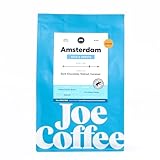
- Rich, sweet, and comforting, Amsterdam is the perfect drip coffee option for those who seek a deeper roast profile.
- We select the components for this coffee for their ability to stand up to a more developed roast, without ever tasting over-roasted or smoky. Instead, we pull out classic notes of chocolate, nut, and toffee.
- One 12 ounce bag
Q: How long should I brew coffee in a percolator?
A: Brew time varies, but typically, you’ll want to let it percolate for about 5-10 minutes after the water starts cycling. Listen for the bubbling sound to gauge the brew’s progress. Over-brewing can lead to bitterness.
Q: Why is my percolator coffee bitter?
A: Bitterness is often caused by over-extraction. This can happen if you use too fine a grind, brew for too long, or if the water is too hot. Ensure you’re using a coarse grind and monitoring the brew time.
Q: How do I clean a percolator?
A: After each use, disassemble the percolator, discard the grounds, and wash all parts with warm, soapy water. Rinse thoroughly and allow to dry completely before reassembling. For stubborn stains, a paste of baking soda and water can be effective.
Q: Can I use any type of coffee bean in a percolator?
A: You can use any coffee bean, but medium to dark roasts often perform well. Lighter, more delicate roasts might have their nuanced flavors masked by the percolator’s strong brewing method.
Q: What’s the difference between a stovetop and an electric percolator?
A: Stovetop percolators require an external heat source like a stove burner. Electric percolators have a built-in heating element and often an automatic shut-off feature, offering more convenience and consistent temperature control.
If you’re looking for more convenience and consistent temperature control, an electric percolator might be a better fit. They often come with automatic shut-off features for added ease of use.

- CAPACITY: Large 12-cup stainless steel percolator perfect for serving multiple people, featuring a durable construction with no aluminum components. Total Capacity: 1.8 Liters (60 fl oz), brews 6-12 cups, 1cup ≈150ml(5 oz)
- BREWING VISIBILITY: Clear glass knob allows you to monitor the percolation process while your coffee brews to desired strength.
- CONVENIENT FEATURES: Equipped with an easy-to-use ON/OFF switch and automatic keep-warm function to maintain optimal coffee temperature. Detachable base enables convenient, cord-free pouring and serving at the table
- ERGONOMIC DESIGN: Cool-touch handle provides comfortable and safe handling, while the stainless steel body ensures lasting durability
- TIPS: Start with room temperature or cool water for proper brewing. Fill water above the minimum marking line. Coarse Grounds are Recommended. Recommended to use filter paper for fine ground. Durable stainless steel construction, backed by a 【1-year Limited Warranty】
Q: How much coffee should I use in a percolator?
A: A general guideline is to use 1 to 2 tablespoons of coffee grounds for every 6 ounces of water. You can adjust this ratio based on your preference for strength.
What this page does NOT cover (and where to go next)
- Specific brand recommendations or comparisons.
- Detailed guides on achieving specific flavor profiles for specialty coffee.
- Information on electric percolator maintenance beyond basic cleaning.
- Recipes for using percolator coffee in other beverages.
- Advanced techniques for single-origin coffee brewing.