
Drip vs. Percolator: Which Brew Method Is Best?
Quick Answer
- Drip coffee makers offer cleaner, more nuanced flavors.
- Percolators deliver a bolder, sometimes more bitter cup.
- Water temperature is crucial for both, but easier to control with drip.
- Grind size matters big time for each method.
- Freshness of beans is king, no matter the brewer.
- Drip is generally simpler for daily use.
Key Terms and Definitions
- Drip Coffee Maker: An automatic machine that heats water and drips it over coffee grounds in a filter.
- Percolator: A stovetop or electric pot that repeatedly cycles boiling water through coffee grounds.
- Brew Ratio: The proportion of coffee grounds to water used. A common starting point is 1:15 or 1:17.
- Extraction: The process of dissolving soluble compounds from coffee grounds into water.
- Bloom: The initial release of CO2 from fresh coffee grounds when hot water is first added.
- Sediment: Fine coffee particles that can end up in your cup, especially with percolators.
- Oversaturation: When coffee grounds are exposed to water for too long, leading to bitterness.
- Under-extraction: When not enough soluble compounds are dissolved, resulting in weak, sour coffee.
- Specialty Coffee: Coffee beans that have scored 80+ points on a 100-point scale by coffee tasters.
- Burr Grinder: A grinder that uses two revolving abrasive surfaces to grind beans consistently.
How Drip Coffee Works
- Water is heated in a reservoir, usually to between 195-205°F.
- The hot water travels up a tube.
- It then showers over coffee grounds held in a filter basket.
- Gravity pulls the brewed coffee down through the filter.
- The coffee collects in a carafe below.
- Many machines have an automatic shut-off for safety.
- Some offer programmable features like timers.
- The filter paper traps most of the coffee oils and fines.
If you’re looking for a reliable and easy-to-use drip coffee maker, this model offers consistent results and programmable features for your morning routine.
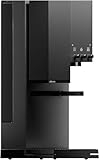
- 1. Three Levels of Automation for Any Skill Level: Choose from Autopilot, Copilot, or Free Solo mode. Autopilot handles the entire brewing process automatically. Copilot provides step-by-step guidance. Free Solo gives you full manual control. This coffee machine works for beginners and professional baristas alike.
- 2. Intuitive User Interface with Tactile Knobs and LED Matrix: The Studio features physical control knobs and a clear LED Matrix display. You can adjust grind size, water temperature, and flow rate in real time without navigating complicated touchscreen menus.
- 3. Full Customization via the xBloom App: Use the xBloom app to create, adjust, save, and share your favorite coffee recipes. Every brewing parameter can be fine-tuned and synced to the machine instantly. Your perfect cup is saved and repeatable.
- 4. Compostable xPod System for Minimal Waste and Maximum Flavor: Each xPod contains carefully selected whole beans and a built-in filter. Tap the recipe card, pour the beans into the grinder, place the pod into the dock, and press start. No capsules, no extra paper filters, no unnecessary waste.
- 5. What Is Included in the Box: The package includes the xBloom Studio, Omni Dripper 2 with Hyperflow Bottom, 10 paper filters, xPod Dock, Magnetic Dosing Cup, default recipe card, quick start guide, cleaning brush, universal power cord, and a 2-Year xbloom brand warranty. Everything you need is included—along with long-term peace of mind.
How Percolators Work
- Water goes in the bottom chamber.
- As the water heats, it rises through a central tube.
- It then sprays over coffee grounds in a basket at the top.
- The brewed coffee drips back down through the grounds, re-brewing.
- This cycle repeats, often for several minutes.
- The constant re-brewing can lead to higher temperatures.
- Some have a glass knob on top to watch the “perking.”
- This method is pretty hands-on, usually on the stovetop.
What Affects Coffee Drip or Percolator Results
- Water Quality: Filtered water is best. Tap water can have off-flavors.
- Coffee Bean Freshness: Use beans roasted within the last month for peak flavor.
- Grind Size: Drip usually prefers a medium grind. Percolators can handle a coarser grind.
- Brew Ratio: Too little coffee means weak brew. Too much can lead to over-extraction.
- Water Temperature: Too hot burns the coffee. Too cool leads to sourness. Aim for 195-205°F.
- Brew Time: How long the water is in contact with the grounds. This is less controlled in percolators.
- Filter Type (Drip): Paper filters remove oils and sediment. Metal filters let more through for a fuller body.
- Percolator Cycling: The repeated brewing in a percolator can over-extract.
- Cleanliness of Equipment: Old coffee oils taste bad. Keep both brewers spotless.
- Roast Level: Darker roasts are more forgiving. Lighter roasts show more nuance with drip.
- Agitation: How much the grounds are disturbed during brewing.
- Altitude: Affects boiling point of water. Might need slight adjustments.
Pros, Cons, and When It Matters
- Drip Pros: Consistent results, easy to use, cleaner cup, good for highlighting bean nuances.
- Drip Cons: Can be less bold, requires filters, electric models need power.
- Percolator Pros: Bold, strong coffee, can make large batches, simple mechanism.
- Percolator Cons: Prone to bitterness/over-extraction, sediment in cup, less control over variables.
- When Drip Matters: If you value clarity of flavor, want simple automation, or prefer a lighter-bodied coffee.
- When Percolator Matters: If you like a robust, classic “cowboy coffee” style brew, need to make a lot of coffee at once, or are camping off-grid (stovetop).
- Budget: Both can be inexpensive, but high-end drip machines can cost a lot.
- Convenience: Drip machines are generally more convenient for daily use.
- Flavor Profile: Drip excels at delicate notes. Percolators lean towards a strong, all-around flavor.
- Durability: Stovetop percolators are often very durable, lasting for years.
- Maintenance: Drip machines need descaling. Percolators just need thorough cleaning.
- Portability: Stovetop percolators are great for camping. Electric drip is not.
Common Misconceptions
- “Percolators make coffee hotter.” They brew at boiling temperatures, which can scorch the coffee and make it taste bitter, not necessarily “better” hot.
- “Drip coffee is weak.” Grind size, ratio, and bean quality are far bigger factors than the brewer type itself.
- “You need special coffee for a percolator.” While grind size is key, any good quality coffee will work.
- “More coffee means stronger coffee.” Not always. It can lead to over-extraction and bitterness if the ratio is off.
- “Old coffee is fine if you just brew it stronger.” Freshness is paramount. Brewing stale beans stronger just amplifies the stale flavors.
- “Any water is good enough.” Bad water equals bad coffee. Always use good, filtered water.
- “The ‘perking’ sound means it’s brewing perfectly.” That sound just means the water is boiling and cycling. It doesn’t guarantee good extraction.
- “Drip machines are all the same.” They vary wildly in build quality, temperature control, and showerhead design.
- “You can’t get good coffee from a cheap brewer.” You absolutely can. Focus on the beans and technique.
FAQ
- Can I use a percolator for iced coffee?
Sure, but it’s not ideal. Percolators tend to brew hotter and can extract more bitter compounds, which might not be great for a smooth iced coffee. You’d likely want to brew it stronger and then dilute it with ice.
- Is drip coffee healthier than percolator coffee?
Paper filters in drip machines catch more of the oils and sediments that some studies suggest might affect cholesterol. Percolators let more of these through. For most people, the difference is negligible.
- What’s the best grind for a drip coffee maker?
Generally, a medium grind is recommended. It looks like coarse sand. Too fine and it can clog the filter and over-extract. Too coarse and the water will pass through too quickly, leading to under-extraction.
- What’s the best grind for a percolator?
A coarser grind is usually better for percolators. Think sea salt. This helps prevent too much sediment from getting into your cup and reduces the chance of over-extraction from the repeated cycling.
- How do I stop my percolator coffee from being bitter?
Use a coarser grind, reduce the brew time (don’t let it perk for ages), ensure your water isn’t boiling too aggressively, and try using slightly less coffee. Clean your percolator thoroughly too.
- Can I make coffee with a drip machine if I don’t have filters?
Some drip machines have reusable metal filters. If yours doesn’t, you can try a fine-mesh sieve lined with a paper towel in a pinch, but results will vary, and it’s not ideal.
- What’s the ideal water temperature for brewing coffee?
For most methods, including drip, the sweet spot is between 195°F and 205°F (90°C to 96°C). Percolators often operate at boiling, which is too high.
- How much coffee should I use for drip?
A good starting point is a ratio of 1:15 to 1:17 (coffee to water by weight). For volume, that’s roughly 1-2 tablespoons of grounds per 6 oz of water. Adjust to your taste.
What This Page Does Not Cover (and Where to Go Next)
- Specific machine reviews or comparisons. Look for detailed product reviews.
- Advanced brewing techniques like pour-over or AeroPress. Explore dedicated guides for those methods.
- The science of coffee roasting and bean origins. Dive into specialty coffee resources.
- Detailed troubleshooting for specific machine malfunctions. Consult your brewer’s manual or manufacturer support.