
Percolator vs. Drip: Which Makes Better Coffee?
Quick answer
- Percolators use a boiling and recirculating water method, while drip coffee makers use gravity to pass hot water through coffee grounds.
- Drip coffee generally offers a cleaner, more nuanced cup, highlighting subtle flavors.
- Percolators can produce a bolder, more intense, and sometimes bitter coffee due to the prolonged contact with boiling water.
- The choice depends on personal preference: drip for clarity and flavor complexity, percolator for strength and a classic, robust taste.
- Both methods can produce enjoyable coffee with the right beans, grind, and technique.
- Consider your desired flavor profile and brewing ritual when deciding between the two.
Key terms and definitions
- Percolator: A coffee brewing device that heats water and repeatedly cycles it through coffee grounds using a pump and a spout.
- Drip Coffee Maker: An automatic machine that heats water and drips it over coffee grounds held in a filter, allowing brewed coffee to collect below.
- Extraction: The process of dissolving soluble compounds from coffee grounds into water to create the beverage.
- Bloom: The initial release of CO2 gas from fresh coffee grounds when hot water is first added, causing them to expand.
- Grind Size: The coarseness or fineness of ground coffee beans, which significantly impacts extraction rate.
- Brew Ratio: The proportion of coffee grounds to water used in brewing, typically measured by weight.
- Temperature Stability: The ability of a coffee maker to maintain a consistent water temperature throughout the brewing cycle.
- Sediment: Fine coffee particles that can pass through filters and end up in the final cup, often more prevalent in percolator coffee.
- Acidity: A desirable bright, crisp quality in coffee, which can be over-extracted and turn bitter with excessive heat.
- Body: The mouthfeel or weight of the coffee, ranging from light and tea-like to heavy and syrupy.
How it works
- Percolator Mechanism: Water in the bottom chamber heats up, creating steam pressure.
- This pressure forces the hot water up through a central tube.
- The hot water then sprays over the coffee grounds in a basket at the top.
- Gravity pulls the brewed coffee back down into the main chamber.
- This cycle of heating, rising, and falling water repeats, continuously brewing the coffee.
- The process continues until the coffee reaches the desired strength or the heat source is removed.
- The prolonged contact with very hot water can lead to over-extraction.
- Some stovetop percolators allow for manual control over the brewing time and heat.
- Drip Coffee Maker Mechanism: Water is heated in a reservoir, usually to a temperature between 195°F and 205°F.
- This heated water is then dispensed over coffee grounds held in a filter basket.
- The filter (paper, metal, or cloth) separates the grounds from the liquid coffee.
- Gravity draws the hot water down through the grounds, extracting flavor compounds.
- The brewed coffee drips into a carafe or mug below.
- Many automatic drip machines have pre-programmed brew cycles for consistency.
- Some high-end models offer advanced features like temperature control and bloom phases.
- The goal is a single pass of hot water through the grounds for optimal extraction.
For a consistently clean and flavorful cup, a quality drip coffee maker is an excellent choice. Many automatic models offer programmable features for ultimate convenience.
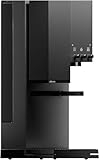
- 1. Three Levels of Automation for Any Skill Level: Choose from Autopilot, Copilot, or Free Solo mode. Autopilot handles the entire brewing process automatically. Copilot provides step-by-step guidance. Free Solo gives you full manual control. This coffee machine works for beginners and professional baristas alike.
- 2. Intuitive User Interface with Tactile Knobs and LED Matrix: The Studio features physical control knobs and a clear LED Matrix display. You can adjust grind size, water temperature, and flow rate in real time without navigating complicated touchscreen menus.
- 3. Full Customization via the xBloom App: Use the xBloom app to create, adjust, save, and share your favorite coffee recipes. Every brewing parameter can be fine-tuned and synced to the machine instantly. Your perfect cup is saved and repeatable.
- 4. Compostable xPod System for Minimal Waste and Maximum Flavor: Each xPod contains carefully selected whole beans and a built-in filter. Tap the recipe card, pour the beans into the grinder, place the pod into the dock, and press start. No capsules, no extra paper filters, no unnecessary waste.
- 5. What Is Included in the Box: The package includes the xBloom Studio, Omni Dripper 2 with Hyperflow Bottom, 10 paper filters, xPod Dock, Magnetic Dosing Cup, default recipe card, quick start guide, cleaning brush, and universal power cord. Everything you need is included.
What affects the result
- Water Quality: Filtered or spring water is ideal. Tap water with strong mineral tastes or chlorine can negatively impact flavor in both methods.
- Coffee Bean Freshness: Freshly roasted and freshly ground beans are crucial for optimal flavor, regardless of the brewing method. Stale beans will result in a flat taste.
- Grind Size Consistency: For drip, a medium grind is typical. For percolators, a coarser grind is often recommended to prevent grounds from passing through the basket and to avoid over-extraction. Inconsistent grinds lead to uneven brewing.
- Brew Ratio: The proportion of coffee to water is vital. A common starting point for drip is a 1:15 to 1:18 ratio (e.g., 1 gram of coffee to 15-18 grams of water). Too little coffee results in weak brew; too much can lead to bitterness.
- Water Temperature: Drip machines aim for 195°F-205°F. Percolators heat water to boiling, which can be detrimental to delicate coffee flavors, often exceeding 205°F.
- Brew Time: In drip, this is controlled by the machine’s cycle. In percolators, it’s determined by how long you let the brewing cycle run, with longer times increasing bitterness.
- Brewer Cleanliness: Residue from old coffee oils can impart stale flavors to fresh brews in both percolators and drip machines. Regular cleaning is essential.
- Filter Type (Drip): Paper filters absorb more oils, leading to a cleaner cup. Metal or cloth filters allow more oils through, resulting in a fuller body and potentially more sediment.
- Pre-infusion/Bloom: Some drip machines offer a bloom phase, where a small amount of water wets the grounds before the main brew, improving extraction. Percolators do not typically have this feature.
- Type of Percolator: Stovetop models offer more control but require attention. Electric percolators are more automated but may have less precise temperature control.
- Carafe Type (Drip): Glass carafes can lose heat quickly. Thermal carafes maintain temperature better, preventing the need for a warming plate that can “cook” coffee.
- Agitation: Excessive agitation of grounds during brewing can lead to over-extraction and bitterness in both methods.
Pros, cons, and when it matters
- Percolator Pros:
- Produces a strong, bold cup of coffee.
- Can be very durable and long-lasting, especially stovetop models.
- Simple to operate, often with fewer parts to break.
- Excellent for camping or situations where electricity is unavailable (stovetop).
- Can be forgiving with slightly coarser grinds.
- Creates a rich, full-bodied coffee.
- The visual and auditory process can be part of the enjoyment for some.
- Percolator Cons:
- Prone to over-extraction and bitterness due to boiling water and repeated cycling.
- Can scald delicate coffee flavors, masking nuanced notes.
- Often results in more sediment in the cup.
- Less control over precise brewing variables like temperature.
- Not ideal for single-origin coffees where subtle flavors are desired.
- Can be difficult to clean thoroughly.
- Drip Coffee Maker Pros:
- Generally produces a cleaner, brighter cup with more clarity of flavor.
- Allows for better appreciation of subtle tasting notes in specialty coffees.
- Easier to control brew variables like temperature and time with quality machines.
- Less likely to produce bitter coffee if used correctly.
- Wide range of models available, from basic to advanced.
- Easier to clean and maintain.
- Consistent results with automatic machines.
- Drip Coffee Maker Cons:
- Can be more complex with electrical components that can fail.
- Cheaper models may not reach optimal brewing temperatures.
- Requires specific grind sizes and filter types for best results.
- Can produce a less intense, weaker cup if not brewed with the right ratio.
- Coffee brewed on a warming plate can become stale and bitter over time.
- When it matters:
- For strength and tradition: If you prefer a robust, no-nonsense cup and enjoy a classic brewing ritual, a percolator might be your preference. It’s often favored for its ability to produce a strong brew that stands up well to milk and sugar.
- For flavor exploration: If you enjoy tasting the subtle differences between coffee beans, exploring single-origin coffees, or appreciating bright acidity and complex aromas, a drip coffee maker is generally the better choice.
- For convenience: Automatic drip machines offer hands-off brewing for busy mornings.
- For outdoor adventures: Stovetop percolators are ideal for camping or power outages.
- For simplicity: If you want a straightforward brewing process with minimal fuss, both can be simple, but percolators often have fewer moving parts.
Common misconceptions
- Myth: Percolators always make bitter coffee.
- Reality: While prone to bitterness, careful use of a coarser grind, shorter brew time, and lower heat can mitigate this. However, compared to drip, the potential for bitterness is higher.
- Myth: Drip coffee is always weak.
- Reality: Drip coffee strength is determined by the coffee-to-water ratio and grind. Using enough coffee and the correct grind will produce a full-bodied drip brew.
- Myth: You need expensive equipment for good coffee.
- Reality: While high-end machines offer precision, excellent coffee can be made with a simple pour-over setup or a well-maintained drip machine and fresh, quality beans.
- Myth: Boiling water is best for all coffee.
- Reality: Boiling water (212°F) is too hot for optimal coffee extraction and can scald the grounds, leading to bitterness. The ideal range for drip is 195°F-205°F. Percolators inherently use boiling water.
- Myth: Any grind size works for any brewer.
- Reality: Grind size is critical. Too fine a grind for drip can clog the filter and lead to over-extraction. Too fine a grind for a percolator can result in sediment and bitterness.
- Myth: Coffee tastes the same no matter how it’s brewed.
- Reality: Different brewing methods extract different compounds and oils, leading to distinct flavor profiles, body, and clarity.
- Myth: Pre-ground coffee is just as good as fresh ground.
- Reality: Coffee begins to lose its aromatic compounds and flavor within minutes of grinding. Grinding just before brewing makes a significant difference.
- Myth: More coffee grounds mean a stronger brew.
- Reality: While more grounds increase strength, an improper ratio can lead to imbalance. Strength is about the ratio and extraction, not just the amount of coffee.
- Myth: A warming plate on a drip coffee maker is fine.
- Reality: Warming plates continuously heat the coffee, “cooking” it and degrading its flavor over time, often resulting in a burnt or stale taste.
FAQ
- Does a percolator make better coffee than a drip machine?
This is subjective and depends on your preference. Percolators make a strong, bold coffee. Drip machines typically produce a cleaner cup that highlights nuanced flavors. Neither is definitively “better” for everyone.
- What kind of coffee beans should I use for a percolator?
For percolators, a medium to dark roast is often recommended, as their bold flavors can stand up to the intense brewing process. A coarser grind is also advised.
- Can I use specialty coffee beans in a percolator?
While you can, the intense heat and recirculating water of a percolator may mask the delicate tasting notes of many specialty, single-origin beans. Drip brewing is generally preferred for these.
- How do I avoid bitter coffee from a percolator?
Use a coarser grind, avoid over-filling the basket, and try to shorten the brewing time by removing it from heat as soon as it reaches your desired strength. Also, ensure the water isn’t at a rolling boil for too long.
- Is drip coffee healthier than percolated coffee?
Both methods, when using paper filters, remove most of the cafestol and kahweol, compounds that can raise cholesterol. Percolators and French presses, which don’t use paper filters, allow more of these compounds into the cup.
- Which method is faster, percolator or drip?
Automatic drip coffee makers are often faster for a full pot, as they brew continuously. Stovetop percolators require monitoring and can take a similar amount of time, but electric percolators can be comparable to drip.
- What is the ideal water temperature for drip coffee?
The Specialty Coffee Association recommends a brewing temperature between 195°F and 205°F (90°C to 96°C) for optimal extraction.
- Can I use a paper filter in a percolator?
No, percolators are designed with a metal basket to hold grounds. Using a paper filter would interfere with the water circulation mechanism and likely lead to a mess.
What this page does NOT cover (and where to go next)
- Specific brand recommendations or comparisons of particular coffee maker models.
- Detailed troubleshooting guides for individual machine malfunctions.
- Advanced brewing techniques like siphon brewing or cold brew.
- The history of coffee brewing methods in detail.