
Does Drinking Too Much Coffee Cause Excessive Sweating?
Quick answer
- Caffeine is a stimulant that can increase your heart rate and metabolism, which can lead to sweating.
- The amount of coffee that triggers sweating varies significantly from person to person.
- Other factors like ambient temperature, physical activity, and individual sensitivity play a role.
- If you experience excessive sweating that concerns you, it’s best to consult a medical professional.
- Reducing your coffee intake or switching to decaf may help if you notice a link.
If you’re sensitive to caffeine’s effects, switching to decaffeinated coffee can be a great way to enjoy the taste without the stimulating side effects like excessive sweating.
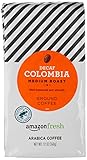
Amazon Fresh Decaf Colombia Ground Coffee, Medium Roast, 12 Ounce
- Balanced, full-bodied medium roast with a smooth finish
- One 12-ounce bag of ground coffee
- Decaffeinated
- 100% Arabica coffee grown in Colombia
- Roasted and packed in the U.S.A.
Key terms and definitions
- Caffeine: A natural stimulant found in coffee beans, tea leaves, and cocoa beans. It’s known for its ability to increase alertness and energy.
- Stimulant: A substance that raises levels of physiological or nervous activity in the body.
- Metabolism: The chemical processes that occur within a living organism in order to maintain life. In this context, it refers to how your body processes food and generates energy.
- Vasodilation: The widening of blood vessels. This can increase blood flow and potentially contribute to feeling warmer and sweating.
- Thermoregulation: The body’s process of maintaining a stable internal body temperature. Sweating is a primary mechanism for cooling down.
- Diaphoresis: The medical term for excessive sweating.
- Anxiety: A feeling of worry, nervousness, or unease, typically about an imminent event or something with an uncertain outcome. Caffeine can sometimes exacerbate anxiety.
- Dehydration: A condition that occurs when the body loses more fluid than it takes in. This can sometimes be related to increased fluid loss through sweat.
- Adrenaline: A hormone released by the adrenal glands in response to stress or excitement. Caffeine can stimulate its release.
How it works
- Caffeine stimulates the central nervous system, acting as a mild psychoactive drug.
- This stimulation can lead to an increase in your heart rate and blood pressure.
- Your body’s metabolic rate can also see a temporary boost due to caffeine’s effects.
- These physiological changes can signal your body to increase its internal temperature slightly.
- In response to a perceived rise in temperature, or as part of a general heightened state of arousal, your sweat glands may become more active.
- Caffeine can also influence the release of adrenaline, which can further contribute to a “fight or flight” response, including increased perspiration.
- Some research suggests caffeine may directly affect thermoregulation in certain individuals.
- The process is not fully understood for everyone, and individual responses vary widely.
While this article discusses coffee, it’s worth noting that other sources of caffeine, like supplements, can have similar stimulating effects that might lead to increased perspiration.
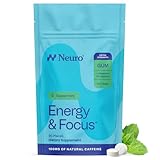
Neuro Energy & Focus Gum, Extra Strength - 100mg Natural Caffeine Gum & Nootropic Energy Supplement with L-Theanine & B Vitamins - Sugar Free, Vegan - Spearmint, 90ct
- Fast-Acting Nootropic - Our energy supplements deliver an extra boost of energy and clarity with a blend of natural caffeine, L-theanine, and vitamin b6 & b12. Your go-to chewing gum for work, exercise, and daily focus!
- Clean Energy - Each piece of our sugar free gum delivers 100mg of natural caffeine from green coffee beans for a smooth energy boost without crashes or jitters.
- The Perfect Balance - With 60mg of L-theanine per piece, our energy and focus formula promotes enhanced focus and stress reduction to smooth energy boosts.
- How to Use - Chew one piece of the caffeine gum whenever focus or energy is lacking. Ideal for mornings, pre-workout, or afternoon slumps. Effects typically kick in within minutes thanks to optimal absorption through the mouth.
- Made by Neuro, Backed by Science - At Neuro, we combine neuroscience with clean, science backed ingredients to help you do more, think better, and feel your best every single day.
What affects the result
- Caffeine Content: The amount of caffeine in your coffee varies by bean type, roast, and brewing method. A strong espresso will have more caffeine than a drip coffee.
- Individual Sensitivity: People metabolize caffeine at different rates. Some are highly sensitive, while others can consume large amounts with minimal effect.
- Amount Consumed: Drinking one cup of coffee is less likely to cause significant sweating than drinking several cups in a short period.
- Ambient Temperature: If you’re already in a warm environment, the stimulating effects of coffee are more likely to lead to noticeable sweating.
- Physical Activity: Exercising after drinking coffee will naturally increase your body temperature and induce sweating, amplifying any effect from the caffeine.
- Hydration Levels: Being dehydrated can sometimes make you more susceptible to feeling the effects of stimulants like caffeine, including sweating.
- Other Beverages/Foods: Consuming other caffeinated drinks or foods, or spicy foods, can contribute to overall body heat and sweating.
- Medications: Certain medications can interact with caffeine or affect your body’s sweating response.
- Stress and Anxiety: If you are already feeling anxious, caffeine can exacerbate these feelings, potentially leading to increased sweating.
- Genetics: Your genetic makeup can influence how your body processes caffeine and regulates temperature.
- Diet: High-sodium diets can sometimes lead to increased fluid retention and potentially affect how your body manages sweat.
- Time of Day: Your body’s natural circadian rhythms can influence how you react to stimulants at different times.
Maintaining good hydration is key, especially when consuming stimulants. Consider hydration supplements to help your body manage fluid balance if you experience increased sweating.

DripDrop Hydration Packets - Bold Variety Pack - Single Serve Electrolytes Powder Drink Mix - Watermelon, Berry, Lemon, Orange - Non-GMO, Gluten Free, Vegan - 16 Sticks
- FAST HYDRATION: Science-based electrolyte powder formula hydrates faster than water alone; useful to rehydrate on-the-go for athletes, sports, outdoor activities, travel, and hot days.
- ELECTROLYTE FORMULA: Delivers 3x electrolytes and half the sugar than leading sports drinks in a portable, easy-mix great tasting hydration powder.
- INGREDIENT-CONSCIOUS: Non-GMO, Gluten Free, Vegan, Soy-Free, Dairy-Free, and Kosher; includes potassium, magnesium, zinc, and vitamin C for added immune support, with natural colors from fruit and vegetable juices.
- SINGLE-SERVE CONVENIENCE: Includes 16 portable electrolyte packets that are easy to carry in a gym bag, backpack, purse, desk or pantry; a simple way to keep hydration packets on hand for daily use, workouts, commuting, and travel days.
- DELICIOUS FLAVOR: Men's Journal Fitness Award for the Best-Tasting Hydration Drink. Enjoy Watermelon, Berry, Lemon, and Orange flavors in one pouch. Mix 1 packet into 8 oz of water for on-the-go hydration.
Pros, cons, and when it matters
- Pro: Increased Alertness: Coffee can help you feel more awake and focused, which is beneficial for many daily tasks.
- Con: Potential for Sweating: For sensitive individuals, coffee can lead to uncomfortable or excessive sweating, especially in warm conditions.
- Pro: Improved Physical Performance: Caffeine can enhance athletic performance, which might be desired by some.
- Con: Exacerbated Anxiety: The stimulant effect can worsen feelings of nervousness or anxiety in some people.
- Pro: Antioxidant Properties: Coffee contains antioxidants that may offer health benefits.
- Con: Sleep Disruption: Consuming coffee too late in the day can interfere with sleep patterns.
- Pro: Social Ritual: Coffee drinking is a common social activity and a comforting morning ritual for many.
- Con: Digestive Issues: For some, coffee can cause stomach upset or heartburn, which might be worsened by increased body activity.
- Pro: Mood Enhancement: Coffee can temporarily lift mood for many users.
- Con: Dependence: Regular high consumption can lead to caffeine dependence and withdrawal symptoms if stopped.
- When it Matters: If you have an important event where you need to remain calm and dry, like a presentation or a job interview, excessive sweating from coffee could be a significant concern.
- When it Matters: For athletes, the performance boost might outweigh the sweating, but hydration becomes even more critical.
- When it Matters: If you are trying to manage anxiety or panic disorders, the stimulating effects of coffee may be detrimental.
Common misconceptions
- Myth: All coffee makes everyone sweat. This is not true; individual sensitivity and the amount consumed are major factors.
- Myth: Only hot coffee causes sweating. Cold coffee also contains caffeine and can have the same stimulating effects.
- Myth: Sweating from coffee is a sign of dehydration. While sweating leads to fluid loss, the initial cause of the sweating is the stimulant, not a lack of water in your body.
- Myth: Decaf coffee will never cause sweating. Decaf coffee still contains trace amounts of caffeine, which could affect highly sensitive individuals.
- Myth: Sweating from coffee means your body is “detoxing.” Sweating is a natural bodily function for temperature regulation, not a sign of detoxification from coffee.
- Myth: You can build a tolerance to coffee-induced sweating. While tolerance to some effects of caffeine can develop, sensitivity to its impact on sweating can remain or vary.
- Myth: Only men sweat from coffee. Both men and women can experience sweating due to coffee consumption.
- Myth: If you don’t sweat, you’re not getting the benefits of coffee. The benefits of coffee, like alertness, can be experienced without noticeable sweating.
- Myth: Coffee is the only beverage that causes sweating. Many stimulants and hot beverages can contribute to increased perspiration.
FAQ
- Can too much coffee make you sweat? Yes, caffeine is a stimulant that can increase your heart rate and metabolism, potentially leading to increased sweating as your body works harder.
- How much coffee is “too much” to cause sweating? This varies greatly. For some, even one cup might trigger it, while others might need several. It depends on your individual sensitivity.
- What should I do if coffee makes me sweat excessively? Try reducing your intake, switching to decaf, or drinking water alongside your coffee to stay hydrated. If it’s severe or concerning, consult a doctor.
- Is sweating from coffee a sign of a health problem? Usually, it’s just a normal physiological response to caffeine. However, if sweating is sudden, severe, or accompanied by other symptoms, seek medical advice.
- Does the type of coffee matter for sweating? Yes, darker roasts and espresso can sometimes have more concentrated caffeine, potentially leading to a stronger effect. Brewing methods also influence extraction.
- Can I drink coffee and not sweat? For many people, moderate coffee consumption does not lead to noticeable sweating, especially in cooler environments.
What this page does NOT cover (and where to go next)
- Medical Diagnosis: This page does not provide medical advice or diagnose specific conditions. If you have persistent or concerning sweating, consult a healthcare professional.
- Specific Caffeine Tolerance Levels: Individual tolerance is highly personal and cannot be quantified here.
- Detailed Nutritional Breakdown of Coffee: Information on vitamins, minerals, and other compounds in coffee is beyond the scope of this article.
- Brewing Guides for Specific Coffee Makers: This article focuses on the physiological effects of coffee, not how to operate particular brewing devices.