
Coffee And Excessive Sweating: What’s The Link?
Quick answer
- Caffeine is a stimulant. Stimulants can increase heart rate and blood flow.
- This can sometimes trigger or worsen sweating in sensitive individuals.
- The effect varies greatly from person to person.
- Other compounds in coffee might also play a role.
- If sweating is a big concern, consider cutting back or switching to decaf.
- It’s not a direct cause of hyperhidrosis, but it can be a trigger.
Key terms and definitions
- Hyperhidrosis: A medical condition characterized by excessive sweating beyond what’s needed to cool the body.
- Caffeine: A natural stimulant found in coffee, tea, and cocoa. It affects the central nervous system.
- Stimulant: A substance that raises levels of physiological or nervous activity in the body.
- Vasodilation: The widening of blood vessels, which increases blood flow.
- Adrenaline (Epinephrine): A hormone produced by the adrenal glands, often released in response to stress or excitement, which can increase heart rate and sweating.
- Autonomic Nervous System: The part of the nervous system that controls involuntary bodily functions like heart rate, digestion, and sweating.
- Thermoregulation: The body’s process of maintaining a stable internal temperature.
- Decaffeination: The process of removing caffeine from coffee beans.
- Diaphoresis: The medical term for sweating.
- Sensitivity: How strongly an individual reacts to a particular substance or stimulus.
How it works
- Coffee contains caffeine, a well-known stimulant.
- Caffeine blocks adenosine receptors in the brain. Adenosine makes you feel tired.
- Blocking adenosine can lead to increased alertness and a boost in energy.
- This stimulation can also signal your adrenal glands to release adrenaline.
- Adrenaline can speed up your heart rate and increase blood flow.
- Increased blood flow, especially to the skin, can contribute to feeling warmer.
- Your body’s response to feeling warmer is to sweat to cool down.
- For some, this physiological response is more pronounced.
- So, the caffeine in coffee can kickstart a chain reaction leading to more sweat.
- It’s like your body’s “on” switch gets a little nudge.
If you’re looking for the stimulating effects of caffeine without the other compounds found in coffee, consider exploring caffeine supplements. They offer a controlled dose to help you manage alertness.
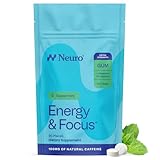
- Fast-Acting Nootropic - Our energy supplements deliver an extra boost of energy and clarity with a blend of natural caffeine, L-theanine, and vitamin b6 & b12. Your go-to chewing gum for work, exercise, and daily focus!
- Clean Energy - Each piece of our sugar free gum delivers 100mg of natural caffeine from green coffee beans for a smooth energy boost without crashes or jitters.
- The Perfect Balance - With 60mg of L-theanine per piece, our energy and focus formula promotes enhanced focus and stress reduction to smooth energy boosts.
- How to Use - Chew one piece of the caffeine gum whenever focus or energy is lacking. Ideal for mornings, pre-workout, or afternoon slumps. Effects typically kick in within minutes thanks to optimal absorption through the mouth.
- Made by Neuro, Backed by Science - At Neuro, we combine neuroscience with clean, science backed ingredients to help you do more, think better, and feel your best every single day.
What affects the result
- Caffeine Content: Darker roasts often have less caffeine than lighter roasts, though this isn’t always true. The bean type matters too.
- Individual Sensitivity: Some folks are just wired differently. What makes one person sweat might do nothing to another.
- Amount Consumed: Drinking a single cup is different from chugging a whole pot. More caffeine, more potential effect.
- Other Coffee Compounds: Coffee has hundreds of compounds. Some might interact with your body’s systems in ways we don’t fully understand yet.
- Hydration Levels: If you’re already dehydrated, your body might react differently to stimulants. Staying hydrated is key.
- Stress and Anxiety: If you’re already feeling stressed, coffee can amplify those feelings, and stress is a major sweat trigger.
- Diet: What else you eat or drink can influence how your body processes caffeine and responds to it.
- Metabolism: How quickly your body breaks down caffeine plays a role in how long and how intensely you might feel its effects.
- Genetics: Your DNA can influence how sensitive you are to caffeine and how your body regulates temperature and sweating.
- Time of Day: Drinking coffee when you’re already warm or active might lead to more noticeable sweating.
- Brewer Type: While not directly about sweat, the brewing method affects extraction and can slightly alter the chemical profile of the final cup.
- Freshness of Beans: Stale beans might have a different chemical makeup, though this is less likely to be a major sweat factor compared to caffeine.
Staying well-hydrated is crucial, especially if you experience increased sweating. Consider adding hydration supplements to your routine to help replenish electrolytes and maintain fluid balance.

- FAST HYDRATION: Science-based electrolyte powder formula hydrates faster than water alone; useful to rehydrate on-the-go for athletes, sports, outdoor activities, travel, and hot days.
- ELECTROLYTE FORMULA: Delivers 3x electrolytes and half the sugar than leading sports drinks in a portable, easy-mix great tasting hydration powder.
- INGREDIENT-CONSCIOUS: Non-GMO, Gluten Free, Vegan, Soy-Free, Dairy-Free, and Kosher; includes potassium, magnesium, zinc, and vitamin C for added immune support, with natural colors from fruit and vegetable juices.
- SINGLE-SERVE CONVENIENCE: Includes 16 portable electrolyte packets that are easy to carry in a gym bag, backpack, purse, desk or pantry; a simple way to keep hydration packets on hand for daily use, workouts, commuting, and travel days.
- DELICIOUS FLAVOR: Men's Journal Fitness Award for the Best-Tasting Hydration Drink. Enjoy Watermelon, Berry, Lemon, and Orange flavors in one pouch. Mix 1 packet into 8 oz of water for on-the-go hydration.
Pros, cons, and when it matters
- Pro: Increased Alertness: Coffee is famous for waking you up and helping you focus. This is a huge win for many.
- Con: Potential for Increased Sweating: For some, that wake-up call comes with a side of sweat. Not ideal if you’re trying to stay dry.
- Pro: Antioxidants: Coffee is packed with antioxidants, which are good for your health.
- Con: Jitters and Anxiety: Too much caffeine can make you feel restless or anxious, which can then lead to sweating.
- Pro: Social Ritual: Grabbing a cup of coffee is a common social activity. It’s a great way to connect.
- Con: Digestive Upset: Some people experience stomach issues from coffee, which can sometimes be linked to general bodily stress.
- Pro: Improved Physical Performance: Caffeine can boost your endurance during workouts.
- Con: Sleep Disruption: Drinking coffee too late can mess with your sleep, and poor sleep can affect your body’s overall regulation.
- Pro: Mood Enhancement: Coffee can give your mood a lift.
- Con: Dependence: It’s easy to get used to your daily coffee, and withdrawal can be a drag.
- When it matters: If you have a job interview, a first date, or a presentation, you probably want to minimize unexpected sweating.
- When it matters: If you’re training for a marathon or need to be sharp for a long drive, the alertness boost is key.
Common misconceptions
- Myth: Coffee directly causes hyperhidrosis. False. Hyperhidrosis is a medical condition. Coffee can be a trigger for existing excessive sweating, but it doesn’t cause the condition itself.
- Myth: All coffee makes everyone sweat. Not true. Sensitivity varies wildly. Many people drink coffee with no noticeable increase in sweat.
- Myth: Decaf coffee has zero effect. Decaf still has trace amounts of caffeine. For highly sensitive individuals, even this might have a minor impact, though much less than regular.
- Myth: Only caffeine causes the sweat. Other compounds in coffee might contribute, but caffeine is the primary suspect due to its stimulant properties.
- Myth: Sweating from coffee means you’re unhealthy. Not necessarily. It often just means you’re sensitive to caffeine’s stimulant effects.
- Myth: You have to quit coffee entirely. Not always. Reducing intake, switching to decaf, or timing your consumption might be enough.
- Myth: Cold coffee prevents sweating. Temperature of the coffee doesn’t directly impact the stimulant effect of caffeine on your sweat glands.
- Myth: Dark roast coffee is always weaker. While darker roasts can sometimes have less caffeine by volume due to longer roasting times, this isn’t a universal rule. Light roasts can be very high in caffeine.
- Myth: Sweating from coffee is a sign of good health. Nope. It’s a sign of your body’s physiological response to a stimulant.
- Myth: You can “sweat out” the caffeine. Your body metabolizes caffeine. Sweating is a separate physiological process.
FAQ
Q: Can drinking coffee really make me sweat more?
A: Yes, for some people. The caffeine in coffee is a stimulant that can increase your heart rate and blood flow, which may trigger or worsen sweating.
Q: Is this a sign that I have hyperhidrosis?
A: Not necessarily. While coffee can be a trigger for hyperhidrosis, it can also cause temporary increased sweating in individuals who don’t have the condition. If your sweating is excessive and persistent, it’s worth talking to a doctor.
Q: How much coffee is too much?
A: That really depends on your individual sensitivity. For some, one cup might be enough to notice a difference, while others can drink several with no issues. Pay attention to your body’s signals.
Q: What if I love coffee but hate the sweat?
A: You have options! Try switching to decaf, reducing your intake, or drinking it earlier in the day when your body might be less prone to overheating. Staying well-hydrated also helps.
Q: Are there other drinks that have a similar effect?
A: Other caffeinated beverages like tea, energy drinks, and some sodas can also have a similar stimulating effect and potentially lead to increased sweating for sensitive individuals.
Q: Does the type of coffee matter?
A: The caffeine content can vary by bean and roast. While it’s not a guarantee, some find that certain types or preparations affect them more than others. Experimentation might be your best bet.
Q: Should I avoid coffee before exercise?
A: If you find that coffee makes you sweat excessively during workouts, it might be wise to skip it or opt for decaf. You want to focus on your performance, not how much you’re dripping.
Q: What’s the difference between normal sweating and sweating from coffee?
A: Normal sweating is your body’s primary way to cool down. Sweating triggered by coffee is a physiological response to a stimulant, which can sometimes override or amplify your natural cooling mechanism.
What this page does NOT cover (and where to go next)
- Specific medical treatments for hyperhidrosis. If you suspect you have a medical condition, see a healthcare professional.
- Detailed analysis of every single compound in coffee and its physiological effect. That’s a whole science class.
- Comparisons of specific coffee brands or brewing equipment for their sweat-inducing potential. Your mileage may vary.
- Nutritional advice beyond the context of coffee consumption. Always good to eat well, though.