
The Connection Between Coffee and Sweating
Quick Answer
- Caffeine, a stimulant in coffee, can increase your heart rate and metabolism, leading to a temporary rise in body temperature.
- This elevated body temperature can signal your body to cool down, resulting in increased perspiration.
- The amount of coffee consumed and individual sensitivity to caffeine play a significant role in the degree of sweating.
- Other compounds in coffee, beyond caffeine, might also contribute to this physiological response.
- Factors like hydration levels and ambient temperature can influence how noticeable coffee-induced sweating becomes.
- If sweating is excessive or concerning, consulting a healthcare professional is recommended.
Key Terms and Definitions
- Caffeine: A naturally occurring stimulant found in coffee beans, tea leaves, and cacao pods, known for its effects on the central nervous system.
- Stimulant: A substance that raises levels of physiological or nervous activity in the body.
- Metabolism: The chemical processes that occur within a living organism in order to maintain life, including the conversion of food to energy.
- Vasodilation: The widening of blood vessels, which can increase blood flow and contribute to heat loss.
- Thermoregulation: The body’s process of maintaining a stable internal body temperature.
- Perspiration: The process of sweating, a bodily function primarily for cooling.
- Dehydration: A condition where the body loses more fluid than it takes in.
- Individual Sensitivity: The degree to which a person’s body reacts to a particular substance or stimulus.
- Adrenaline: A hormone produced by the adrenal glands that plays a role in the “fight-or-flight” response, increasing heart rate and blood pressure.
- Diuretic: A substance that promotes increased production of urine, which can affect hydration levels.
How It Works
- Coffee contains caffeine, a well-known stimulant that affects the central nervous system.
- Caffeine can increase your heart rate, making it beat faster and more forcefully.
- It also has the potential to slightly boost your metabolic rate, meaning your body burns energy more efficiently.
- These physiological changes can lead to a temporary increase in your core body temperature.
- As your body temperature rises, your thermoregulation system kicks in to cool you down.
- One primary cooling mechanism is through perspiration, or sweating.
- The sweat glands are activated to release moisture onto the skin’s surface.
- As this moisture evaporates, it draws heat away from the body, helping to lower your temperature.
- Some research suggests caffeine might also influence other bodily processes that contribute to heat generation or perception.
- The effect can be more pronounced in warmer environments where your body is already working to stay cool.
If you’re looking to understand the stimulant effects of caffeine more directly, consider exploring caffeine supplements. These can offer a concentrated dose to observe its impact on your body’s temperature and metabolism.
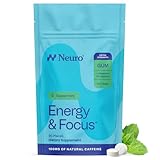
- Fast-Acting Nootropic - Our energy supplements deliver an extra boost of energy and clarity with a blend of natural caffeine, L-theanine, and vitamin b6 & b12. Your go-to chewing gum for work, exercise, and daily focus!
- Clean Energy - Each piece of our sugar free gum delivers 100mg of natural caffeine from green coffee beans for a smooth energy boost without crashes or jitters.
- The Perfect Balance - With 60mg of L-theanine per piece, our energy and focus formula promotes enhanced focus and stress reduction to smooth energy boosts.
- How to Use - Chew one piece of the caffeine gum whenever focus or energy is lacking. Ideal for mornings, pre-workout, or afternoon slumps. Effects typically kick in within minutes thanks to optimal absorption through the mouth.
- Made by Neuro, Backed by Science - At Neuro, we combine neuroscience with clean, science backed ingredients to help you do more, think better, and feel your best every single day.
What Affects Coffee-Induced Sweating
- Caffeine Content: The more caffeine in your coffee (e.g., a double espresso vs. a single), the more pronounced the stimulant effect might be.
- Individual Caffeine Sensitivity: Some people are genetically predisposed to metabolize caffeine more slowly, making them more susceptible to its effects.
- Amount Consumed: Drinking multiple cups of coffee in a short period is more likely to trigger a noticeable reaction than a single cup.
- Type of Coffee Bean and Roast: While the primary difference is caffeine, minor variations in other compounds between bean types and roast levels could theoretically play a role.
- Ambient Temperature: If you’re already in a warm environment, the slight increase in body temperature from coffee can push you over the threshold for sweating.
- Hydration Levels: Being well-hydrated can help your body regulate temperature more effectively, potentially making coffee’s effect less noticeable. Conversely, dehydration might alter how your body responds.
- Physical Activity: Exercising after drinking coffee will naturally increase body temperature and sweating, compounding the effect.
- Other Ingredients: Adding sugar, milk, or cream doesn’t directly cause sweating, but the overall consumption of a beverage can influence body temperature.
- Medications: Certain medications can affect how your body processes caffeine or influence your sweating response.
- Underlying Health Conditions: Conditions affecting the thyroid, nervous system, or circulation can influence sweating patterns.
- Time of Day: Your body’s natural circadian rhythms can influence temperature and metabolic activity.
- Stress or Anxiety: These emotional states can also trigger sweating independently, and may be exacerbated by caffeine in some individuals.
Pros, Cons, and When It Matters
- Pro: Indicator of Metabolism Boost: For some, a slight increase in sweating might be a subtle signal that caffeine is stimulating their metabolism.
- Con: Unwanted Social Discomfort: Excessive sweating can be embarrassing in social or professional settings.
- Pro: Body’s Natural Cooling System: Sweating is a vital and efficient way for your body to regulate temperature, so the response itself is a sign of a healthy system.
- Con: Potential for Dehydration: If you sweat a lot without replenishing fluids, you risk becoming dehydrated.
- Pro: Enhanced Alertness: The stimulant effect of coffee, which can lead to sweating, is also why many people drink it for increased focus and energy.
- Con: Misinterpretation of Signals: People might worry about excessive sweating without realizing it’s a common, albeit sometimes inconvenient, side effect of caffeine.
- When It Matters: If you’re preparing for an important meeting or event, you might want to moderate your coffee intake to avoid noticeable perspiration.
- When It Matters: During physical activity, the cooling effect of sweat is beneficial, and coffee’s contribution might be a welcome bonus.
- When It Matters: For individuals sensitive to caffeine, even a small amount can lead to noticeable sweating, making them more mindful of their consumption.
- When It Matters: If you live in a very hot climate, any additional heat generated by coffee might make you feel uncomfortably warm.
- Pro: Acknowledgment of Physiological Response: Understanding why you sweat after coffee can help you manage it better and reduce anxiety about the sensation.
- Con: May Mask Other Issues: If you experience extreme or sudden sweating after coffee, it’s important to consider if it’s solely due to the beverage or if another health factor is at play.
Common Misconceptions
- Misconception: Coffee directly causes your body to overheat.
- Reality: Coffee can slightly increase your body’s internal temperature temporarily, prompting your body to cool itself through sweating. It doesn’t inherently overheat you.
- Misconception: Only caffeine in coffee causes sweating.
- Reality: While caffeine is the primary driver, other compounds in coffee might also play a minor role in physiological responses.
- Misconception: Sweating after coffee means you’re unhealthy.
- Reality: For many people, sweating after coffee is a normal physiological response to caffeine’s stimulant effects and a healthy thermoregulation process.
- Misconception: All coffee drinkers sweat equally.
- Reality: Individual sensitivity to caffeine, genetics, and other personal factors mean reactions vary widely from person to person.
- Misconception: Decaf coffee will never make you sweat.
- Reality: Decaf coffee still contains trace amounts of caffeine, which might be enough to cause a mild reaction in highly sensitive individuals.
- Misconception: Sweating is always a sign of dehydration.
- Reality: Sweating is a cooling mechanism. While significant sweating can lead to dehydration if fluids aren’t replenished, the act of sweating itself is not a sign of dehydration.
- Misconception: Drinking cold coffee prevents sweating.
- Reality: The temperature of the coffee itself has a minimal impact on the stimulant effects of caffeine. The caffeine content is the main factor.
- Misconception: Coffee is a powerful diuretic that will dehydrate you rapidly.
- Reality: While caffeine has a mild diuretic effect, the water content in coffee typically offsets this for moderate consumption, and it’s not usually a cause of significant dehydration.
FAQ
Why does coffee make me sweaty?
Coffee contains caffeine, a stimulant that can temporarily increase your heart rate and metabolism. This can lead to a slight rise in body temperature, prompting your body to cool itself by sweating.
Is sweating after coffee a bad sign?
Generally, no. It’s often a normal physiological response to caffeine’s stimulant effects and your body’s natural way of regulating temperature. However, excessive or concerning sweating should be discussed with a doctor.
How much coffee is too much to cause sweating?
This varies greatly by individual sensitivity. For some, one cup might be enough, while others might drink several before noticing a significant effect.
Can I stop sweating after coffee?
You can try reducing your caffeine intake, switching to decaf, or ensuring you stay well-hydrated. Some people find that their body adapts over time, or they may simply be more sensitive.
Does the type of coffee matter for sweating?
The caffeine content is the primary factor. Espresso-based drinks, cold brew, and drip coffee all have varying caffeine levels that can influence the sweating response.
Will adding milk or sugar change the sweating effect?
These additions don’t directly cause sweating. The main driver is still the caffeine content of the coffee itself.
What if I sweat a lot from just one cup of coffee?
This indicates you may have a higher sensitivity to caffeine. You might consider opting for decaf or consuming less coffee.
Are there other reasons I might sweat after drinking coffee besides caffeine?
While caffeine is the most common cause, other compounds in coffee and individual physiological responses can contribute. Stress or anxiety triggered by caffeine can also lead to sweating.
What This Page Does NOT Cover (and Where to Go Next)
- Specific medical advice for excessive sweating. If you have concerns, consult a healthcare professional.
- Detailed comparisons of caffeine content across different brewing methods or bean origins. Look for resources on coffee brewing science.
- Nutritional information about coffee or its additives. Explore resources on diet and nutrition.
- The effects of other stimulants on the body. Seek information on pharmacology or human physiology.
- How to brew the perfect cup of coffee. Consult guides on coffee brewing techniques.