
Excessive Sweating: Could Your Coffee Habit Be the Cause?
Quick Answer
- Caffeine is a stimulant that can increase heart rate and metabolism, potentially leading to increased sweating.
- The amount of caffeine consumed, individual sensitivity, and other lifestyle factors all play a role.
- If you notice excessive sweating after drinking coffee, it’s worth considering your intake and how your body reacts.
- Other potential causes for excessive sweating should also be investigated by a healthcare professional.
- Reducing caffeine intake or switching to decaf may help if coffee is identified as a trigger.
- Staying hydrated and managing stress can also help regulate body temperature and sweating.
If you’re finding that your coffee habit is contributing to excessive sweating, consider switching to decaffeinated coffee. It offers the familiar taste and ritual without the same stimulant effect.
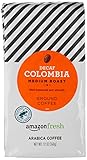
- Balanced, full-bodied medium roast with a smooth finish
- One 12-ounce bag of ground coffee
- Decaffeinated
- 100% Arabica coffee grown in Colombia
- Roasted and packed in the U.S.A.
Key Terms and Definitions
- Caffeine: A natural stimulant found in coffee beans, tea leaves, and cocoa beans that affects the central nervous system.
- Stimulant: A substance that increases physiological or nervous activity in the body.
- Metabolism: The chemical processes that occur within a living organism in order to maintain life.
- Vasodilation: The widening of blood vessels, which can increase blood flow and heat dissipation.
- Thermoregulation: The body’s process of maintaining a stable internal body temperature.
- Diaphoresis: The medical term for excessive or profuse sweating.
- Dehydration: A condition caused by the loss of too much body fluid, which can affect the body’s ability to regulate temperature.
- Adrenal Glands: Endocrine glands that produce hormones, including adrenaline, which can influence the body’s stress response.
- Sympathetic Nervous System: Part of the autonomic nervous system that controls “fight or flight” responses, including increased heart rate and sweating.
- Individual Sensitivity: The unique way a person’s body responds to a particular substance or stimulus.
How Coffee Can Affect Sweating
- Coffee contains caffeine, a well-known stimulant that affects your central nervous system.
- Caffeine can increase your heart rate, making your cardiovascular system work a bit harder.
- This increased activity can lead to a temporary boost in your metabolism.
- A faster metabolism can generate more internal body heat.
- To cool down, your body initiates the sweating process as a natural thermoregulation mechanism.
- Caffeine may also influence your adrenal glands, prompting the release of adrenaline.
- Adrenaline can further stimulate physiological responses, including increased perspiration.
- For some individuals, the combined effects of increased heart rate, metabolism, and adrenaline can manifest as noticeable sweating.
- The timing of your coffee consumption, especially if consumed during physical activity or in warm environments, can amplify these effects.
- It’s important to note that not everyone will experience this reaction to coffee.
What Affects Your Coffee and Sweat Connection
- Caffeine Content: The amount of caffeine in your coffee varies greatly by bean type, roast level, and brewing method. Darker roasts generally have less caffeine than lighter roasts.
- Individual Caffeine Sensitivity: People metabolize caffeine at different rates. Some are highly sensitive and experience pronounced effects, while others are less affected.
- Brewing Method: Espresso, drip coffee, and cold brew all extract caffeine differently, influencing the final concentration. Cold brew often has a lower perceived acidity but can still be high in caffeine.
- Amount Consumed: Drinking one cup of coffee is less likely to cause significant sweating than drinking several cups in a short period.
- Hydration Levels: If you are already dehydrated, your body may struggle to regulate temperature effectively, and any stimulant effect from coffee could be more pronounced.
- Environmental Temperature: Drinking hot coffee in a hot environment naturally increases your body’s need to cool down.
- Physical Activity: Exercising after drinking coffee will combine the stimulant effect with the natural sweating response to exertion.
- Diet and Food Intake: Consuming coffee on an empty stomach might lead to faster absorption of caffeine compared to drinking it with food.
- Underlying Health Conditions: Certain medical conditions can cause excessive sweating, and coffee might exacerbate these symptoms.
- Medications: Some medications can interact with caffeine or affect your body’s sweating response.
- Stress and Anxiety: Caffeine can sometimes heighten feelings of anxiety, which can also trigger sweating.
- Genetics: Your genetic makeup can influence how your body processes caffeine and regulates temperature.
Maintaining adequate hydration is crucial for your body’s ability to regulate temperature. If you’re prone to sweating, especially after consuming stimulants like coffee, consider incorporating hydration supplements to ensure you’re adequately replenished.

- FAST HYDRATION: Science-based electrolyte powder formula hydrates faster than water alone; useful to rehydrate on-the-go for athletes, sports, outdoor activities, travel, and hot days.
- ELECTROLYTE FORMULA: Delivers 3x electrolytes and half the sugar than leading sports drinks in a portable, easy-mix great tasting hydration powder.
- INGREDIENT-CONSCIOUS: Non-GMO, Gluten Free, Vegan, Soy-Free, Dairy-Free, and Kosher; includes potassium, magnesium, zinc, and vitamin C for added immune support, with natural colors from fruit and vegetable juices.
- SINGLE-SERVE CONVENIENCE: Includes 16 portable electrolyte packets that are easy to carry in a gym bag, backpack, purse, desk or pantry; a simple way to keep hydration packets on hand for daily use, workouts, commuting, and travel days.
- DELICIOUS FLAVOR: Men's Journal Fitness Award for the Best-Tasting Hydration Drink. Enjoy Watermelon, Berry, Lemon, and Orange flavors in one pouch. Mix 1 packet into 8 oz of water for on-the-go hydration.
Pros, Cons, and When It Matters
- Pro: Increased Alertness: Coffee’s stimulant properties are a primary reason many people drink it, enhancing focus and reducing fatigue. This effect is generally considered positive for productivity.
- Con: Potential for Excessive Sweating: For some, the increased metabolic activity and adrenaline response can lead to uncomfortable or excessive sweating, which can be socially or physically inconvenient.
- Pro: Social Ritual: Coffee breaks and coffee shop visits are important social activities for many, fostering connection and relaxation.
- Con: Dehydration Risk: Caffeine is a mild diuretic, meaning it can increase urine production. If not balanced with adequate water intake, this could contribute to dehydration, indirectly affecting sweating.
- Pro: Antioxidant Benefits: Coffee beans contain antioxidants, which are believed to have various health benefits.
- Con: Sleep Disruption: Consuming coffee too late in the day can interfere with sleep patterns, which can have broader health implications beyond sweating.
- When it Matters: Performance Enhancement: For athletes or those needing a cognitive boost, the stimulant effect can be beneficial, and sweating is often an expected byproduct of exertion.
- When it Matters: Social Situations: In professional or formal settings, noticeable sweating can cause self-consciousness or discomfort.
- When it Matters: Medical Conditions: If you have a condition that causes hyperhidrosis (excessive sweating), coffee might worsen your symptoms, making it a factor to manage.
- When it Matters: Personal Comfort: Ultimately, if coffee-induced sweating causes you personal discomfort, it matters enough to explore solutions.
- Pro: Flavor and Enjoyment: The rich taste and aroma of coffee are a significant pleasure for millions worldwide.
- Con: Digestive Upset: Some individuals experience heartburn or stomach upset from coffee, which can be a separate issue from sweating.
Common Misconceptions
- Myth: All coffee makes everyone sweat. In reality, individual sensitivity to caffeine varies significantly.
- Myth: Sweating from coffee is always a sign of a serious health problem. While it can be, it’s often a normal physiological response to a stimulant.
- Myth: Decaf coffee has no effect on sweating. Decaf coffee still contains trace amounts of caffeine, which might affect very sensitive individuals, though to a much lesser degree.
- Myth: Only hot coffee causes sweating. The caffeine content is the primary factor, not the temperature of the beverage itself, although hot drinks can contribute to feeling warmer.
- Myth: Sweating is always bad. Sweating is your body’s natural cooling mechanism and is essential for thermoregulation.
- Myth: If you sweat after coffee, you must drink less water. In fact, staying well-hydrated is crucial, especially if you are consuming a diuretic like caffeine.
- Myth: Coffee directly causes dehydration. While caffeine is a mild diuretic, moderate coffee consumption typically doesn’t lead to significant dehydration if you’re drinking enough fluids overall.
- Myth: The only solution is to stop drinking coffee entirely. Often, reducing intake, switching to lower-caffeine options, or adjusting brewing methods can resolve the issue.
- Myth: Coffee is the only stimulant that can cause sweating. Many other substances, including energy drinks and certain medications, can also increase perspiration.
- Myth: Sweating after coffee means your body can’t handle it. It simply means your body is reacting to the stimulant, which is a common response for many.
FAQ
Q: Can coffee really make me sweat excessively?
A: Yes, for some individuals, the caffeine in coffee acts as a stimulant that can increase heart rate and metabolism, leading to increased body heat and subsequent sweating.
Q: How much coffee is too much if I’m prone to sweating?
A: This varies greatly from person to person. It’s best to pay attention to your own body’s signals and reduce your intake if you notice sweating after a particular amount.
Q: What are the signs of excessive sweating related to coffee?
A: You might notice increased perspiration shortly after drinking coffee, especially on your palms, forehead, or underarms, beyond what you’d expect from the environment or activity level.
Q: Should I switch to decaf if coffee makes me sweat?
A: Decaf coffee has significantly less caffeine and may help reduce or eliminate sweating for sensitive individuals. It’s a good option to try if you enjoy the taste of coffee but want to avoid the stimulant effect.
Q: Are there other drinks that can cause similar sweating?
A: Yes, other caffeinated beverages like tea, energy drinks, and even some sodas can have a similar effect due to their caffeine content.
Q: What if I sweat excessively even without drinking coffee?
A: If you experience excessive sweating regularly or it’s concerning, it’s important to consult a healthcare professional to rule out underlying medical conditions.
Q: How can I reduce sweating caused by coffee?
A: You can try reducing your daily intake, opting for lighter roasts or decaf, brewing your coffee weaker, or ensuring you are well-hydrated.
Q: Does the temperature of the coffee matter for sweating?
A: While drinking a hot beverage can make you feel warmer, the primary driver for stimulant-induced sweating is the caffeine content, not the drink’s temperature.
Q: Can stress and coffee together worsen sweating?
A: Yes, caffeine can sometimes amplify feelings of anxiety or stress, and stress itself is a known trigger for sweating. The combination can therefore lead to more noticeable perspiration.
Caffeine can sometimes amplify feelings of anxiety, and stress itself is a known trigger for sweating. If you’re experiencing increased perspiration, exploring stress management tools might help mitigate this combined effect.

- 【Creative Design】Unlike conventional magnetic toys, the silicone magnetic ball features a large central magnet encased within a textured silicone exterior. Users can enhance their fine motor skills and hand-eye coordination through tactile interactions such as pushing, pulling, grasping, and flipping. The diverse color schemes contribute to improved focus and concentration.
- 【Unique Tactile Function】The varied textures provide sensory stimulation, catering to sensory needs associated with skin picking behavior. These silicone magnetic balls offer a calming effect, helping to alleviate anxiety and stress, thereby enhancing a sense of accomplishment and inducing soothing ASMR. They are particularly suitable for mitigating neural fatigue caused by prolonged smartphone or computer use, including symptoms of stress, anxiety, and arthritis.
- 【Safety and Quality】Crafted from high-quality, non-toxic silicone and high-performance magnets, these silicone magnetic balls are durable, odorless, and CPC-certified for safety. The toy is easy to clean, resistant to peeling, compact, and comes with an exclusive storage bag for convenient portability.The product has obtained copyright patent, patent number: VAu 1-542-656.
- 【Fun Desk Gadgets】In moments of workplace stress or lack of concentration, engaging with these silicone magnetic balls on the desk can relieve tension and improve focus. Through actions such as grasping, pushing, and flipping, they gradually guide users into a state of calmness and concentration, promoting mental clarity without disturbing others.
- 【Perfect Stocking Stuffer】Ideal as stress-relief gifts for adults and teenagers, these silicone magnetic balls serve as excellent desk toys or sensory gadgets to alleviate anxiety. Whether given to colleagues, friends, family, or loved ones, they bring joy to anyone on your list. Providing a satisfying activity for all, they make an ideal gift choice.
What This Page Does Not Cover (and Where to Go Next)
- This article does not provide specific medical advice or diagnose any conditions. If you are concerned about excessive sweating, please consult a healthcare professional.
- We do not offer specific recommendations for brands or types of coffee that are guaranteed to not cause sweating, as individual reactions vary.
- This page does not delve into the treatment protocols for hyperhidrosis (excessive sweating) beyond managing dietary triggers like caffeine.
- For information on other medical causes of sweating, you should consult a doctor or a medical resource.
- If you’re interested in understanding your body’s response to caffeine more deeply, consider researching caffeine metabolism and genetics.
- For advice on managing stress and its impact on physical symptoms, explore resources on stress reduction techniques.