
Coffee’s Effect on Bowel Movements: When Is It Too Much?
Quick answer
- Coffee can stimulate bowel movements due to caffeine and other compounds that increase gut motility.
- For most people, moderate coffee consumption is unlikely to cause excessive or urgent bowel movements.
- If you experience discomfort, bloating, or urgent urges after drinking coffee, you might be sensitive or consuming too much.
- Factors like coffee strength, additives, and individual gut sensitivity play a role in how coffee affects your digestion.
- If coffee consistently causes digestive distress, consider reducing your intake or switching to lower-acid or decaffeinated options.
- Persistent or severe digestive issues should be discussed with a healthcare professional.
If you experience discomfort, bloating, or urgent urges after drinking coffee, you might be sensitive or consuming too much. Consider switching to decaffeinated options like this one to potentially reduce digestive stimulation.
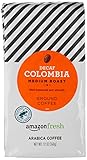
- Balanced, full-bodied medium roast with a smooth finish
- One 12-ounce bag of ground coffee
- Decaffeinated
- 100% Arabica coffee grown in Colombia
- Roasted and packed in the U.S.A.
Key terms and definitions
- Bowel Movement: The final act of digestion, where solid waste (feces) is eliminated from the body.
- Gut Motility: The involuntary constriction and relaxation of the muscles of the intestines or another canal, creating wave-like movements that push contents forward.
- Caffeine: A stimulant found in coffee beans that can affect the central nervous system and digestive system.
- Gastrocolic Reflex: A physiological reflex that increases motility in the colon in response to stretching of the stomach when food or drink enters it.
- Irritable Bowel Syndrome (IBS): A common disorder that affects the large intestine, causing symptoms like cramping, abdominal pain, bloating, gas, diarrhea, or constipation.
- Acidity: The pH level of coffee, which can be a factor for individuals with sensitive stomachs.
- Diarrhea: A condition characterized by frequent loose or liquid bowel movements.
- Constipation: A condition characterized by infrequent bowel movements or difficulty passing stools.
- Stimulant: A substance that increases physiological or nervous activity.
- Laxative Effect: The tendency of a substance to promote bowel movements.
How it works
- Coffee contains compounds that can stimulate the muscles in your digestive tract.
- Caffeine is a well-known stimulant that can speed up the movement of stool through your intestines.
- When coffee enters your stomach, it can trigger the gastrocolic reflex, signaling your colon to become more active.
- The acidity of coffee itself, independent of caffeine, may also contribute to increased gut contractions.
- Coffee can increase the production of gastrin, a hormone that stimulates digestive activity, including bowel movements.
- Certain acids and oils present in coffee beans can also play a role in stimulating the digestive system.
- The speed at which you consume coffee can influence the intensity of its effect; faster consumption might lead to a more pronounced response.
- For some individuals, the combination of caffeine and other coffee compounds creates a potent digestive stimulant.
- This stimulation can lead to a feeling of needing to have a bowel movement shortly after drinking coffee.
- The overall effect is a heightened sense of urgency and increased frequency of bowel movements for some people.
What affects the result
- Coffee Strength: Stronger brews, with more coffee grounds per water volume, tend to have a more potent effect.
- Caffeine Content: The amount of caffeine varies by bean type, roast, and brewing method; higher caffeine can lead to more pronounced digestive stimulation.
- Additives: Cream, milk, sugar, or artificial sweeteners can alter how your digestive system reacts to coffee. For example, lactose in milk can cause issues for those with lactose intolerance.
- Individual Sensitivity: People have different tolerances to caffeine and other compounds in coffee, leading to varied digestive responses.
- Brewing Method: Drip, espresso, French press, and cold brew methods extract different compounds and concentrations, influencing the digestive impact. For instance, cold brew is often less acidic.
- Water Temperature: While less direct, water temperature during brewing affects extraction, potentially influencing the final chemical composition that interacts with your gut.
- Coffee Bean Type and Roast: Robusta beans generally have more caffeine than Arabica. Darker roasts may be less acidic but can have different flavor profiles that interact with digestion.
- Gut Health: Pre-existing digestive conditions like IBS can make individuals more susceptible to coffee’s effects on bowel movements.
- Hydration Levels: Being dehydrated can sometimes exacerbate digestive issues, and the diuretic effect of caffeine might play a role for some.
- Timing of Consumption: Drinking coffee on an empty stomach might lead to a quicker and more intense digestive response compared to drinking it with food.
- Amount Consumed: Simply put, drinking more coffee is more likely to trigger a stronger digestive response.
- Freshness of Coffee: While more related to flavor, the freshness of beans can impact the overall chemical makeup that your body processes.
Pros, cons, and when it matters
- Pro: Stimulates Digestion: Coffee can be beneficial for those experiencing constipation, promoting regularity.
- Con: Urgency and Discomfort: For some, coffee can cause sudden, urgent needs to defecate, which can be inconvenient or embarrassing.
- Pro: Aids Morning Routine: Many find coffee helps kickstart their digestive system in the morning, fitting into their daily routine.
- Con: Can Trigger IBS Symptoms: Individuals with Irritable Bowel Syndrome may find coffee exacerbates their symptoms, leading to diarrhea or cramping.
- Pro: May Improve Gut Microbiome: Some research suggests coffee consumption might positively influence certain gut bacteria, though this is an evolving area.
- Con: Potential for Diarrhea: Consuming too much coffee, especially on an empty stomach, can lead to loose stools or diarrhea.
- Pro: Social and Ritualistic Benefits: The act of drinking coffee is a significant part of many people’s social and personal routines, which has its own benefits.
- Con: Acidity and Stomach Upset: For those sensitive to acid, coffee can cause heartburn or stomach discomfort, which may indirectly affect bowel habits.
- Pro: Increased Alertness: The stimulant effect of caffeine goes beyond digestion, contributing to wakefulness and focus.
- Con: Dependence and Withdrawal: Regular high consumption can lead to caffeine dependence, and reducing intake can cause withdrawal symptoms, potentially including digestive changes.
- When it matters: If you have a sensitive stomach, a diagnosed digestive disorder like IBS, or if coffee consistently causes you discomfort or unpredictable bathroom trips, it matters significantly to monitor your intake. For individuals who do not experience negative effects, coffee’s impact on bowel movements is often a neutral or even positive aspect of their morning.
For individuals with sensitive stomachs or conditions like IBS, coffee can sometimes exacerbate symptoms. Supporting your overall gut health with probiotics might help manage these sensitivities.

- Max Strength General Purpose Probiotic: Our non-refrigerated probiotic is designed to support digestive health & gut health. A great choice for those looking to support a diverse healthy microbiome w/ 60B CFU - Probiotics for Women & Men alike. One Month Supply
- Support Your Gut: Our probiotic contains 10 diverse high-quality probiotic strains and organic prebiotics - synergistically working together to support your gut health. Expertly crafted to support occasional constipation, diarrhea, gas & bloating!
- Survives the Gut: From start to finish - this probiotic is designed to survive the gut & maximize the colonization of our strains. We use a shelf-stable bottle, acid-resistant capsules, and 60 Billion Colony forming units (CFU) to achieve this!
- Backed By Science - Our probiotics are crafted based on scientific research. We have partnered with a network of expert physicians to help review our products & research. We strive to educate & help you with informed decisions regarding your health.
- Safety Assured Standard of Quality: Our 60B probiotic is 3rd-party tested for purity and potency. Each bottle is manufactured with love & care in the USA with strict quality control - using imported and domestic ingredients.
Coffee can be beneficial for those experiencing constipation, promoting regularity. If you struggle with constipation, ensuring adequate fiber intake with supplements like these can also be very helpful.

- UNFLAVORED, MIXES CLEAR with NO GRIT: Metamucil Clear Fiber Blend is easy to add to your daily routine. Try Clear Fiber Blend in your coffee, smoothies, juice, tea, and more!
- PROMOTES REGULARITY* TO HELP RELIEVE OCCASIONAL CONSTIPATION*++ with Fibersol***
- NOURISHES GOOD BACTERIA IN YOUR GUT* with prebiotic Inulin
- THE FIBER BRAND YOU TRUST: From the makers of the #1 selling fiber supplement brand
Common misconceptions
- Misconception: Coffee always causes diarrhea for everyone.
- Reality: While it can stimulate bowel movements, the effect varies greatly by individual. Many people drink coffee without experiencing diarrhea.
- Misconception: Only caffeinated coffee affects your bowels.
- Reality: Decaffeinated coffee can still stimulate bowel movements due to other compounds in coffee that affect the digestive system.
- Misconception: The more you drink, the better your digestion will be.
- Reality: Excessive coffee intake can lead to negative digestive consequences like diarrhea and cramping, rather than improved regularity.
- Misconception: Coffee is inherently bad for your gut health.
- Reality: For many, moderate coffee consumption is not harmful and may even offer some benefits; it’s the amount and individual response that are key.
- Misconception: Adding milk or cream makes coffee easier on your stomach and less likely to affect your bowels.
- Reality: While it might alter the taste or perceived acidity, dairy can cause digestive issues for lactose-intolerant individuals, and other coffee compounds still affect motility.
- Misconception: Coffee’s effect on bowel movements is purely psychological.
- Reality: Coffee contains actual chemical compounds that physically stimulate the gastrointestinal tract.
- Misconception: All coffee is equally acidic and will affect everyone the same way.
- Reality: Acidity levels vary by bean, roast, and brewing method, and individual sensitivity plays a huge role in how one’s stomach reacts.
- Misconception: If you don’t feel the urge to go right away, coffee isn’t working.
- Reality: The digestive response to coffee can take some time, and not everyone experiences an immediate urge.
FAQ
Q: Can too much coffee make you shit?
A: Yes, for many people, consuming too much coffee can lead to an increased urge to defecate, and in some cases, diarrhea. This is due to caffeine and other compounds that stimulate the digestive tract.
Q: How quickly does coffee affect bowel movements?
A: The effect can vary, but some people feel the urge to have a bowel movement within minutes of drinking coffee, while for others, it might take an hour or longer.
Q: What if I drink coffee and feel like I have to go urgently?
A: This is a common response. If the urgency is uncomfortable or disruptive, it’s a sign you might be sensitive to coffee or consuming too much for your system.
Q: Are there specific types of coffee that are less likely to cause digestive issues?
A: Cold brew coffee is often recommended as it tends to be less acidic than hot-brewed coffee. Some people also find lighter roasts or specific bean varieties cause fewer digestive problems.
Q: Is it normal to have a bowel movement every time you drink coffee?
A: It is not uncommon for regular coffee drinkers to have a bowel movement shortly after their morning cup, as it stimulates the gastrocolic reflex. However, it’s not a universal experience.
Q: What should I do if coffee consistently causes me digestive distress?
A: Consider reducing your coffee intake, switching to decaf, or trying alternative brewing methods like cold brew. If problems persist, consult a healthcare provider.
Q: Can coffee help with constipation?
A: Yes, coffee’s stimulant properties can help promote bowel movements for individuals struggling with constipation.
Q: Does the amount of coffee matter?
A: Absolutely. A small cup might have little to no effect, while several large cups can significantly increase the likelihood of a bowel movement and potential discomfort.
What this page does NOT cover (and where to go next)
- Specific medical advice for digestive disorders. Consult a doctor for diagnosis and treatment.
- Detailed nutritional breakdowns of different coffee types. Refer to reputable food databases or product information.
- Brand-specific recommendations for coffee makers or beans. Explore coffee blogs and review sites for such information.
- The long-term health impacts of high coffee consumption. Look for scientific studies and health organization publications.
- Legal or regulatory information regarding caffeine content. Check government health agency websites.