
Excessive Sweating After Coffee: Causes and Tips
Quick answer
- Caffeine, a stimulant in coffee, can increase your heart rate and metabolism, leading to more body heat and sweating.
- Some coffee additives like sugar and cream can also contribute to a temporary rise in body temperature.
- Dehydration can worsen sweating; ensure you’re drinking enough water alongside your coffee.
- Individual sensitivity to caffeine varies greatly, so some people will sweat more than others.
- If excessive sweating is persistent or concerning, it’s advisable to consult a healthcare professional.
- Opting for decaffeinated coffee or reducing your intake may help manage this side effect.
If you find yourself sweating excessively after your morning cup, consider opting for decaffeinated coffee. It still offers the coffee experience with significantly less caffeine, which can help manage this side effect.
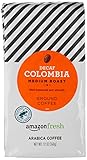
- Balanced, full-bodied medium roast with a smooth finish
- One 12-ounce bag of ground coffee
- Decaffeinated
- 100% Arabica coffee grown in Colombia
- Roasted and packed in the U.S.A.
Key terms and definitions
- Caffeine: A natural stimulant found in coffee beans that affects the central nervous system.
- Metabolism: The process by which your body converts what you eat and drink into energy.
- Vasodilation: The widening of blood vessels, which can increase blood flow to the skin’s surface and contribute to heat loss.
- Thermoregulation: The body’s ability to maintain a stable internal temperature.
- Dehydration: A condition where the body loses more fluid than it takes in.
- Diaphoresis: The medical term for excessive sweating.
- Sympathetic Nervous System: Part of the nervous system that controls “fight or flight” responses, including increased heart rate and metabolic activity.
- Adrenaline: A hormone released by the body in response to stress or excitement, which can also increase heart rate and body temperature.
How it works
- Coffee contains caffeine, a stimulant that activates your sympathetic nervous system.
- This activation can lead to a temporary increase in your heart rate and blood pressure.
- Your metabolism may also see a slight, short-term boost.
- These physiological changes can generate more internal body heat.
- To cool down, your body releases more sweat through its thermoregulation system.
- Caffeine can also affect neurotransmitters in the brain that influence temperature regulation.
- Some research suggests caffeine might play a role in vasodilation, increasing blood flow to the skin.
- This increased blood flow can make it easier for your body to release heat, potentially leading to more noticeable sweating.
- The process is generally a natural response to the stimulating effects of coffee.
What affects the result
- Caffeine Content: The amount of caffeine in your coffee directly influences its stimulating effects. Darker roasts generally have less caffeine than lighter roasts, though this can vary by brewing method.
- Individual Sensitivity: People metabolize caffeine at different rates. Some are highly sensitive and may experience more pronounced effects, including sweating, while others are less affected.
- Additives: Cream, sugar, milk, or flavored syrups added to coffee can increase its caloric content and affect how your body processes it, potentially influencing temperature.
- Hydration Levels: Being dehydrated can make you more prone to feeling overheated and sweating more, as your body struggles to regulate its temperature effectively.
- Ambient Temperature: Drinking hot coffee in a warm environment will naturally lead to more sweating than drinking it in a cool setting.
- Physical Activity: If you drink coffee before or during exercise, the combination of caffeine’s stimulant effect and physical exertion will almost certainly increase sweating.
- Diet: Eating a heavy meal before or after coffee can impact your metabolism and body temperature, potentially exacerbating sweating.
- Medications: Certain medications can affect your body’s ability to regulate temperature or increase sensitivity to stimulants, which could influence your reaction to coffee.
- Stress and Anxiety: If you are already feeling stressed or anxious, the stimulating effects of coffee can amplify these feelings, potentially leading to increased sweating.
- Brewing Method: While less direct, the concentration of coffee can vary by brewing method, which might subtly influence the amount of caffeine you consume.
- Type of Coffee Bean: Different coffee bean varietals can have slightly different chemical compositions, though caffeine content is usually the primary driver of stimulant effects.
- Time of Day: Your body’s natural circadian rhythms can influence your sensitivity to stimulants and your baseline body temperature.
Pros, cons, and when it matters
- Pro: Increased Alertness: The stimulant effect of coffee, including caffeine, is often desired for improved focus and reduced fatigue.
- Con: Excessive Sweating: For some individuals, the increased body heat and metabolic activity can lead to uncomfortable or noticeable sweating.
- Pro: Metabolic Boost: Caffeine can temporarily increase your metabolic rate, which some people find beneficial.
- Con: Potential for Dehydration: If not balanced with adequate water intake, the diuretic effect of coffee can contribute to dehydration, worsening sweating.
- Pro: Social Ritual: Coffee drinking is a common social activity and a pleasant ritual for many.
- Con: Social Embarrassment: For those who sweat profusely, it can lead to self-consciousness in social or professional settings.
- Pro: Antioxidants: Coffee contains antioxidants that are beneficial for health.
- Con: Digestive Upset: Some people experience stomach discomfort or increased acidity from coffee, which can sometimes be linked to overall bodily responses.
- Pro: Enhanced Physical Performance: Caffeine is known to improve athletic performance for some individuals.
- Con: Jitters and Anxiety: Overconsumption or sensitivity can lead to feelings of anxiety, restlessness, and increased sweating.
- Pro: Warmth in Cold Weather: A hot cup of coffee can provide immediate warmth on a chilly day.
- Con: Overheating in Warm Weather: In hot environments, the heat generated by coffee consumption can exacerbate feelings of being too warm.
- Pro: Variety of Flavors: Coffee offers a wide range of tastes and brewing experiences to enjoy.
- Con: Cost: Regularly purchasing coffee, especially specialty drinks, can become a significant expense.
- Pro: Improved Mood: For many, coffee consumption is associated with a positive mood boost.
- Con: Sleep Disruption: Consuming coffee too late in the day can interfere with natural sleep patterns.
Common misconceptions
- Myth: Only hot coffee makes you sweat.
- Reality: While hot coffee contributes external heat, the caffeine in any temperature of coffee can stimulate your system and increase internal heat production, leading to sweating.
- Myth: All coffee causes excessive sweating for everyone.
- Reality: Individual sensitivity to caffeine varies greatly. Many people drink coffee without experiencing noticeable increased sweating.
- Myth: Sweating after coffee means you’re unhealthy.
- Reality: For most people, sweating after coffee is a normal physiological response to caffeine’s stimulant properties. It’s not necessarily an indicator of underlying health issues.
- Myth: Adding milk or sugar stops the sweating effect.
- Reality: While these additives might alter your body’s overall metabolic response, they don’t negate the stimulant effects of caffeine, which is the primary driver of coffee-induced sweating.
- Myth: Decaf coffee has no effect on sweating.
- Reality: Decaffeinated coffee still contains trace amounts of caffeine, and other compounds in coffee can also have minor effects on the body. While significantly reduced, some sensitivity might still occur.
- Myth: Sweating means your body is “detoxing.”
- Reality: Sweating is primarily a thermoregulation mechanism. The idea that it’s a primary way the body expels toxins is largely a myth; your liver and kidneys are the main detoxification organs.
- Myth: You must be dehydrated if you sweat a lot after coffee.
- Reality: While dehydration can worsen sweating, sweating after coffee is more often due to caffeine’s stimulant effects. It’s important to stay hydrated regardless, but the two are not always directly linked.
- Myth: Cold brew coffee doesn’t cause sweating because it’s cold.
- Reality: Cold brew coffee still contains caffeine. The temperature of the beverage doesn’t eliminate the stimulating effects of the caffeine itself.
FAQ
Q: Can drinking coffee actually make me sweat more?
A: Yes, caffeine in coffee is a stimulant that can increase your heart rate and metabolism, leading to more body heat and subsequent sweating.
Q: Is there a specific type of coffee that causes more sweating?
A: Generally, coffee with higher caffeine content will have a more pronounced effect. Lighter roasts and certain brewing methods might yield more caffeine per serving.
Q: What can I do to reduce sweating after drinking coffee?
A: You can try reducing your intake, opting for decaf, ensuring you’re well-hydrated with water, or avoiding coffee in very warm environments.
Q: How quickly does sweating start after drinking coffee?
A: The onset can vary, but for sensitive individuals, you might notice increased sweating within 30 minutes to an hour after consumption as the caffeine takes effect.
Q: Is sweating after coffee a sign of a medical problem?
A: For most people, it’s a normal reaction to caffeine. However, if you experience excessive, persistent sweating that concerns you, it’s best to consult a doctor.
Q: Does the temperature of the coffee matter for sweating?
A: While hot coffee adds external heat, it’s the caffeine’s internal effect on your body that primarily causes increased sweating. So, both hot and cold coffee can contribute.
Q: Can additives like sugar or cream affect how much I sweat?
A: They can influence your overall metabolic response and body temperature, potentially contributing to or mitigating sweating to some extent, but caffeine remains the primary factor.
Q: How much coffee is too much if I’m concerned about sweating?
A: This varies greatly by individual sensitivity. Pay attention to your body’s signals; if you sweat uncomfortably after a single cup, that might be your limit.
What this page does NOT cover (and where to go next)
- Specific medical diagnoses for excessive sweating (diaphoresis) and when to seek professional medical advice.
- Detailed nutritional breakdowns of various coffee drinks and their impact on body temperature.
- Recommendations for specific brands or types of coffee that are lower in caffeine.
- Advanced brewing techniques that might alter caffeine extraction.
- Comprehensive guides to managing other side effects of coffee consumption, such as anxiety or digestive issues.