
Excessive Sweating After Coffee: Causes And Relief
Quick answer
- Coffee can stimulate the central nervous system, which includes sweat glands.
- Caffeine is a diuretic and can increase urine production, potentially leading to dehydration which can affect thermoregulation.
- The hot temperature of coffee itself can trigger a thermoregulatory response, causing sweating.
- Individual sensitivity to caffeine varies significantly.
- Certain additives like sugar or artificial sweeteners can also influence the body’s response.
- Reducing caffeine intake or switching to cold brew may help alleviate sweating.
Key terms and definitions
- Caffeine: A natural stimulant most commonly found in tea, coffee, and cacao plants.
- Thermoregulation: The process that allows your body to maintain its core internal temperature.
- Diuretic: A substance that promotes increased production of urine.
- Central Nervous System (CNS): The part of the nervous system consisting of the brain and spinal cord, which controls most functions of the body and mind.
- Sympathetic Nervous System: A part of the autonomic nervous system that prepares the body for “fight or flight” responses, including increasing heart rate and sweating.
- Adrenaline: A hormone released in response to stress or excitement, increasing heart rate and blood pressure.
- Metabolism: The chemical processes that occur within a living organism in order to maintain life.
- Vasodilation: The widening of blood vessels, which can increase blood flow and heat loss.
- Hyperhidrosis: A medical condition characterized by excessive sweating.
- Acetaldehyde: A compound produced when the body metabolizes alcohol, but also present in some foods and drinks in small amounts.
How it works
- Caffeine stimulates the sympathetic nervous system, leading to an increase in adrenaline.
- This stimulation can activate eccrine sweat glands across the body.
- The thermogenic effect of caffeine can slightly raise body temperature, prompting the body to cool itself through sweating.
- Hot coffee directly introduces heat into the body, which the body counteracts by initiating a cooling response.
- Caffeine’s diuretic properties can lead to increased fluid loss, potentially impacting hydration levels and how the body regulates temperature.
- Individual metabolic rates influence how quickly caffeine is processed, affecting its impact on the body.
- The acidity of coffee may, in some individuals, contribute to gastrointestinal discomfort which can be accompanied by sweating.
- Other compounds in coffee, beyond caffeine, might also play a role in some people’s physiological responses.
If you’re sensitive to caffeine and experiencing excessive sweating, consider exploring caffeine supplements that offer controlled dosages or alternative stimulant options.
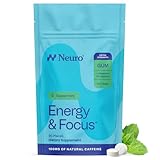
- Fast-Acting Nootropic - Our energy supplements deliver an extra boost of energy and clarity with a blend of natural caffeine, L-theanine, and vitamin b6 & b12. Your go-to chewing gum for work, exercise, and daily focus!
- Clean Energy - Each piece of our sugar free gum delivers 100mg of natural caffeine from green coffee beans for a smooth energy boost without crashes or jitters.
- The Perfect Balance - With 60mg of L-theanine per piece, our energy and focus formula promotes enhanced focus and stress reduction to smooth energy boosts.
- How to Use - Chew one piece of the caffeine gum whenever focus or energy is lacking. Ideal for mornings, pre-workout, or afternoon slumps. Effects typically kick in within minutes thanks to optimal absorption through the mouth.
- Made by Neuro, Backed by Science - At Neuro, we combine neuroscience with clean, science backed ingredients to help you do more, think better, and feel your best every single day.
What affects the result
- Caffeine Content: Higher caffeine levels in coffee generally lead to a stronger physiological response, including increased sweating.
- Coffee Temperature: Hotter coffee can directly trigger a thermoregulatory response to cool the body.
- Individual Sensitivity: Some people are more sensitive to caffeine’s effects due to genetics or habituation.
- Hydration Status: Being dehydrated can impair the body’s ability to regulate temperature effectively, potentially exacerbating sweating.
- Brewing Method: Different brewing methods can result in varying caffeine concentrations and temperature profiles.
- Coffee Type: Robusta beans typically have more caffeine than Arabica beans.
- Additives: Sugar, artificial sweeteners, or rich creamers can influence metabolism and body temperature.
- Environmental Factors: A warm or humid environment will naturally make you sweat more, amplifying coffee’s effects.
- Medications: Certain medications can interact with caffeine or affect the body’s thermoregulation.
- Underlying Health Conditions: Conditions like hyperthyroidism or anxiety disorders can increase sweating, which coffee might then exacerbate.
Maintaining good hydration is key, especially when consuming coffee which can have diuretic effects. Consider incorporating hydration supplements into your routine to help manage fluid balance.

- FAST & EFFECTIVE HYDRATION: Combat dehydration with our science-based electrolyte powder formula that hydrates faster than water alone. Perfect for sports, outdoor activities, and hot days.
- 3X ELECTROLYTES & ½ THE SUGAR: Our precise formula activates a hydration shortcut, delivering essential electrolytes with less sugar than leading sports drinks. A great-tasting hydration powder that's easy to drink and mix.
- HEALTH-CONSCIOUS FORMULA: Non-GMO, Gluten-Free, Vegan, Soy-Free, Dairy-Free and Kosher. Our hydration packets include essential nutrients like potassium, magnesium, zinc, and vitamin C for added immune support. Natural colors derived from sources including fruit and vegetable juices, turmeric, spirulina extract, and beta carotene. No FD&C colors ever (no Red 40).
- CONVENIENT SINGLE-SERVE PACKETS: 16 portable electrolytes powder packets perfect to rehydrate on-the-go. Ideal for travel, sports activities, and daily use. Mix 1 packet into 8 oz of water for effective hydration.
- TRUSTED BRAND WITH A MISSION: Created by a doctor, DripDrop is a groundbreaking innovation that earned a Mayo Clinic Humanitarian Award. As a Public Benefit Company, every purchase supports our mission to defeat dehydration with global donations of our product.
Pros, cons, and when it matters
- Pros (of coffee, generally): Increased alertness, improved focus, potential antioxidant benefits. These are generally unrelated to sweating.
- Cons (of sweating after coffee): Discomfort, potential for body odor, visible perspiration on clothing, feeling clammy.
- When it matters (socially): Excessive sweating can be embarrassing or socially awkward, especially in professional or intimate settings.
- When it matters (comfort): Perspiration can make you feel uncomfortably warm or sticky, impacting daily activities.
- When it matters (hydration): Increased sweating combined with coffee’s diuretic effect can contribute to dehydration if fluid intake isn’t sufficient.
- When it matters (health concerns): If sweating is extreme or accompanied by other symptoms, it might indicate an underlying health issue or an overreaction to caffeine.
- When it matters (performance): Athletes might find excessive sweating detrimental to performance or electrolyte balance.
- When it matters (clothing choices): Those who experience profuse sweating may need to choose specific fabrics or clothing styles.
- When it matters (sleep): While not directly related to sweating, caffeine’s stimulating effects can disrupt sleep, which might indirectly affect overall well-being.
- When it matters (tolerance): If your body is reacting strongly, it may be a sign to re-evaluate your caffeine intake or coffee habits.
Common misconceptions
- “Sweating after coffee means I’m allergic to it.” While possible, it’s far more likely to be a normal physiological response to a stimulant or hot beverage, not an allergy.
- “Decaf coffee won’t make me sweat.” Decaf coffee still contains trace amounts of caffeine and is often served hot, both of which can contribute to sweating in sensitive individuals.
- “Sweating means I’m burning more calories.” While caffeine can slightly boost metabolism, the amount of sweating experienced is not a reliable indicator of significant calorie burn.
- “I just need to drink more coffee to get used to it.” Increasing caffeine intake might actually worsen the sweating response for some, rather than building tolerance.
- “Only hot coffee causes sweating.” While hot coffee is a primary trigger, the caffeine itself in any form (e.g., iced coffee, energy drinks) can also induce sweating.
- “Everyone sweats the same amount after coffee.” Individual responses vary widely based on genetics, metabolism, and sensitivity.
- “Sweating after coffee is always a sign of a health problem.” While it can be, it’s often a normal and harmless reaction. Consult a doctor if concerned.
- “Drinking water with coffee will stop the sweating.” While staying hydrated is crucial, water alone may not completely prevent the sympathetic nervous system’s response to caffeine.
FAQ
Why does coffee make me sweat profusely?
Profuse sweating after coffee is often due to caffeine stimulating your central nervous system, which activates sweat glands. The hot temperature of the beverage also triggers your body’s natural cooling mechanisms. Individual sensitivity and factors like hydration can also play a role.
Is it normal to sweat a lot after drinking coffee?
Yes, it can be normal for many people to experience some level of sweating after drinking coffee, especially if it’s hot or if you’re sensitive to caffeine. However, if the sweating is excessive, disruptive, or accompanied by other symptoms, it might be worth discussing with a healthcare professional.
Can reducing my caffeine intake help with sweating?
For many individuals, reducing the amount of caffeine consumed can significantly lessen the sweating response. This is because caffeine is a primary stimulant that triggers the physiological mechanisms leading to perspiration. Consider gradually cutting back or switching to lower-caffeine options.
Does iced coffee cause less sweating than hot coffee?
Iced coffee may cause less immediate thermoregulatory sweating because it doesn’t introduce a hot liquid into your body. However, the caffeine content will still stimulate your central nervous system, so you might still experience some caffeine-induced sweating.
Are there any specific types of coffee that cause less sweating?
Generally, coffees with lower caffeine content, such as decaffeinated options or those made from Arabica beans (which naturally have less caffeine than Robusta), might lead to less sweating. Cold brew coffee can also be lower in acidity and often consumed cold, which might help some individuals.
What else can I do to prevent sweating after coffee?
Beyond reducing caffeine, try ensuring you are well-hydrated throughout the day. Drinking water alongside your coffee can help. Allowing your coffee to cool slightly before drinking it can also reduce the initial heat-induced sweating. Some people find that avoiding sugary coffee drinks helps.
What this page does NOT cover (and where to go next)
- Specific medical diagnoses for excessive sweating (hyperhidrosis) and its treatments. Consult a doctor for medical advice.
- Detailed chemical breakdowns of all compounds in coffee beyond caffeine.
- Reviews or recommendations for specific coffee brands or brewing equipment.
- In-depth dietary plans or supplement recommendations to manage sweating.
- Information on the environmental impact of coffee production.