
Does Coffee Exacerbate Period Cramps?
Quick answer
- Coffee may influence period cramp severity for some individuals due to its caffeine content.
- Caffeine can constrict blood vessels, which might intensify uterine contractions.
- It can also act as a diuretic, potentially leading to dehydration, which can worsen cramps.
- For some, coffee’s acidity might contribute to digestive upset, adding to discomfort.
- However, coffee also contains antioxidants and can have a mild pain-relieving effect for some.
- Individual responses vary greatly; what affects one person may not affect another.
Key terms and definitions
- Caffeine: A natural stimulant found in coffee, tea, and chocolate that affects the central nervous system.
- Prostaglandins: Hormone-like substances that cause uterine muscle contractions, leading to menstrual cramps.
- Vasoconstriction: The narrowing of blood vessels, which can reduce blood flow.
- Diuretic: A substance that promotes increased production of urine, leading to fluid loss.
- Dysmenorrhea: The medical term for painful menstruation or period cramps.
- Adenosine: A neurotransmitter that caffeine blocks, leading to increased alertness.
- Antioxidants: Compounds that protect cells from damage caused by free radicals.
- Acidity (coffee): The natural sourness or tartness present in coffee, measured by pH.
- Endorphins: Natural pain-relieving and mood-boosting chemicals produced by the body.
- Inflammation: The body’s immune response to irritation or injury, often associated with pain.
How it works
- Caffeine in coffee stimulates the central nervous system, increasing alertness.
- It can cause vasoconstriction, narrowing blood vessels throughout the body, including potentially those supplying the uterus.
- This vasoconstrictive effect might intensify uterine contractions, which are already occurring due to prostaglandins during menstruation.
- Coffee acts as a diuretic, increasing urine output and potentially leading to dehydration if not balanced with sufficient water intake.
- Dehydration can exacerbate muscle cramps, including those in the uterus.
- The acidity of coffee can irritate the digestive system for some individuals, leading to bloating or stomach upset.
- Caffeine can also increase cortisol levels, a stress hormone, which might indirectly influence pain perception.
- For some, caffeine can have a mild analgesic (pain-relieving) effect, possibly by blocking adenosine receptors.
- Coffee’s antioxidant compounds may offer some anti-inflammatory benefits, though their impact on cramps is not well-established.
- The overall impact of coffee on period cramps is a complex interplay of these various physiological effects.
What affects the result
- Caffeine sensitivity: Individuals vary widely in how their bodies process and react to caffeine.
- Coffee intake amount: Higher daily consumption of coffee or caffeine is more likely to have an effect.
- Individual pain threshold: Personal tolerance for discomfort plays a role in perceived cramp severity.
- Hydration levels: Adequate water intake can counteract coffee’s diuretic effect, potentially mitigating cramps.
- Dietary factors: Overall diet, including intake of inflammatory foods, can influence menstrual pain.
- Pre-existing conditions: Conditions like IBS or endometriosis might make one more sensitive to coffee’s effects.
- Timing of consumption: Drinking coffee closer to or during the onset of cramps might have a more noticeable impact.
- Coffee preparation: Brew methods or additions (sugar, cream) might influence digestive comfort for some.
- Hormonal fluctuations: The specific hormonal balance during a menstrual cycle can affect prostaglandin production and pain sensitivity.
- Stress levels: High stress can worsen pain perception, and caffeine can sometimes contribute to increased anxiety for some.
Pros, cons, and when it matters
- Pro: Energy boost: Coffee can help combat fatigue often experienced during menstruation.
- Con: Increased vasoconstriction: This might intensify uterine contractions and cramp pain for some.
- Pro: Mild pain relief: For some, caffeine has a slight analgesic effect that could help with general discomfort.
- Con: Dehydration risk: Coffee’s diuretic properties can lead to dehydration if water intake isn’t sufficient, potentially worsening cramps.
- Pro: Mood enhancement: Coffee can temporarily improve mood, which might help manage menstrual irritability.
- Con: Digestive upset: For sensitive individuals, coffee’s acidity can cause stomach irritation, bloating, or diarrhea.
- When it matters: If you consistently experience worse cramps after drinking coffee, it’s worth experimenting with reduction.
- When it matters: If you rely on coffee for energy, consider alternative energy sources or decaf options during your period.
- When it matters: For those with moderate to severe dysmenorrhea, even small changes in diet can be impactful.
- When it matters: If you’re already prone to anxiety or sleep disturbances, caffeine might exacerbate these, indirectly affecting pain coping.
For those sensitive to caffeine’s effects, exploring natural herbal remedies for cramps can be a great strategy. Many women find relief with ingredients like chamomile, ginger, or magnesium, which can help ease muscle tension and discomfort.

- Fast and effective leg cramp relief, day or night
- Temporarily relieves leg, calf, and foot cramps
- Quick-dissolving tablets deliver fast relief with no water needed and no stomach upset
- Dissolve 2-3 tablets under your tongue for fast & effective relief of leg, calf, and foot cramps
- Made with natural active ingredients, No known drug interactions, No known side effects
If you’re looking for a gentler way to manage cramps, consider a soothing pain relief tea. These blends often contain herbs known for their anti-inflammatory and antispasmodic properties, offering a natural alternative to coffee.

- A true adrenal support formula—replaces coffee without caffeine. Powered by Ashwagandha and Eleuthero, it offers non-stimulating energy, supports balanced cortisol levels, and promotes stress resilience. Ideal for those experiencing fatigue or burnout. Try our Adrenal Fatigue Recovery Tea for natural, daily adrenal support.
- Adaptogenic Herbs for Stress & Energy: This blend features time-tested adaptogens traditionally used to support the body’s response to stress, promote steady energy, and calm the nervous system. ASHWAGANDHA is known for helping reduce stress and improving stamina. ELEUTHERO supports endurance and focus. LICORICE ROOT is traditionally used to nourish the adrenals and help maintain balanced cortisol levels. TULSI (Holy Basil) is valued for easing tension and promoting emotional resilience.
- Circulatory & Digestive Support Herbs: Warming herbs like CINNAMON and GINGER are included to support circulation, stimulate digestion, and bring overall warmth to the body—making the blend more balanced and revitalizing.
- BUYER BEWARE: Master Herbalist Khabir cautions that many so-called adrenal support products rely heavily on L-theanine—an amino acid many clients with adrenal fatigue were already taking with minimal benefit. Some supplement brands include only trace amounts of herbs like Ashwagandha, Tulsi, and Eleuthero just to list them on the label. Don’t be misled by these marketing tactics. For best results, take your vitamins, minerals, and amino acids with meals—and your herbal formulas separately, as directed.
- This tea has been used successfully for decades in the clinics of Khabir Southwick (Herbman), a Registered Herbal Pharmacist and Ayurvedic Doctor. Search KHABIRS CLINIC to learn more about this master herbalist and his renowned herbal therapies.
Common misconceptions
- All coffee is bad for cramps: Not necessarily; individual sensitivity and intake amount are key factors.
- Coffee is a primary cause of cramps: While it might exacerbate them, primary dysmenorrhea is mainly due to prostaglandin production.
- Decaf coffee has no effect: Decaf still contains trace amounts of caffeine and can be acidic, potentially causing mild effects for highly sensitive individuals.
- Coffee is purely inflammatory: Coffee contains antioxidants which can have anti-inflammatory properties, though its overall effect on cramps is debated.
- Giving up coffee will instantly cure cramps: While it might help some, menstrual cramps are complex and often require a multi-faceted approach.
- Only strong coffee matters: Even moderate amounts of caffeine can affect sensitive individuals.
- Coffee’s effects are the same for everyone: Genetic differences in caffeine metabolism mean responses vary widely.
- Coffee is the only dietary factor to consider: Many other foods and drinks can influence menstrual pain.
FAQ
Q: Will coffee make period cramps worse for everyone?
A: No, not for everyone. Individual sensitivity to caffeine and other components of coffee varies greatly. Some people might find their cramps worsen, while others notice no difference or even mild relief.
Q: How much coffee is considered too much during my period?
A: There’s no universal “too much” as it depends on individual tolerance. If you’re concerned, consider reducing your usual intake, especially if you consume multiple cups daily, and observe if your symptoms improve.
If you’re concerned about your caffeine intake during your period, be mindful of all sources, including caffeine supplements. If you’re already consuming coffee, adding supplements could increase your total caffeine load and potentially exacerbate cramps.
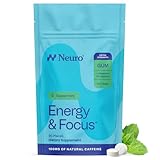
- Fast-Acting Nootropic - Our energy supplements deliver an extra boost of energy and clarity with a blend of natural caffeine, L-theanine, and vitamin b6 & b12. Your go-to chewing gum for work, exercise, and daily focus!
- Clean Energy - Each piece of our sugar free gum delivers 100mg of natural caffeine from green coffee beans for a smooth energy boost without crashes or jitters.
- The Perfect Balance - With 60mg of L-theanine per piece, our energy and focus formula promotes enhanced focus and stress reduction to smooth energy boosts.
- How to Use - Chew one piece of the caffeine gum whenever focus or energy is lacking. Ideal for mornings, pre-workout, or afternoon slumps. Effects typically kick in within minutes thanks to optimal absorption through the mouth.
- Made by Neuro, Backed by Science - At Neuro, we combine neuroscience with clean, science backed ingredients to help you do more, think better, and feel your best every single day.
Q: Should I switch to decaf coffee during my period?
A: If you suspect regular coffee is contributing to your cramps, switching to decaf is a reasonable experiment. Decaf has significantly less caffeine and might reduce potential negative effects while still allowing you to enjoy the taste.
Q: Can coffee help with period-related fatigue?
A: Yes, the caffeine in coffee is a stimulant that can temporarily boost alertness and combat fatigue, which is a common symptom during menstruation for many.
Q: What about the acidity of coffee and cramps?
A: Coffee’s acidity can sometimes irritate the digestive system, leading to bloating or discomfort that might add to overall menstrual pain. If you’re sensitive, trying lower-acid coffees or cold brew might help.
Q: Are there any benefits to drinking coffee during my period?
A: Beyond combating fatigue, coffee contains antioxidants that have health benefits. For some, caffeine also has a mild pain-relieving effect. However, these potential benefits should be weighed against any potential worsening of cramps.
Q: If I stop drinking coffee, how long until I might see an improvement in cramps?
A: If caffeine is a factor, you might notice a difference within one or two menstrual cycles after significantly reducing or eliminating coffee. It’s a good idea to track your symptoms to identify any patterns.
What this page does NOT cover (and where to go next)
- Specific medical advice for severe dysmenorrhea or underlying conditions. Consult a healthcare professional for personalized guidance.
- Detailed nutritional plans beyond coffee intake. Explore general healthy eating for menstrual health.
- Comprehensive pain management strategies for period cramps. Look into over-the-counter pain relievers, heat therapy, and exercise.
- In-depth science of prostaglandin synthesis and hormonal regulation. Seek out resources on reproductive physiology.
- How to choose the best coffee beans or brewing methods for general enjoyment. Explore coffee enthusiast guides.
- The broader health impacts of caffeine consumption outside of menstrual cramps. Research general caffeine effects.