
Does Coffee Worsen Period Cramps?
Quick Answer
- The link between coffee consumption and period cramps is complex and not fully understood.
- Caffeine is a stimulant that can affect various bodily functions, including muscle contractions.
- Some individuals report that coffee exacerbates their menstrual pain, while others notice no difference.
- Potential mechanisms include caffeine’s impact on prostaglandins, hormones, and blood flow.
- Factors like individual sensitivity, the amount of coffee consumed, and other lifestyle choices play a role.
- If you suspect coffee worsens your cramps, consider reducing intake or switching to decaf.
Key Terms and Definitions
- Period Cramps (Dysmenorrhea): Painful uterine contractions experienced during menstruation, often felt in the lower abdomen, back, or thighs.
- Caffeine: A natural stimulant found in coffee beans, tea leaves, and cacao pods, known for its effect on the central nervous system.
- Prostaglandins: Hormone-like substances that play a role in inflammation, pain, and uterine contractions. High levels are associated with severe menstrual cramps.
- Vasoconstriction: The narrowing of blood vessels, which can reduce blood flow to certain areas.
- Vasodilation: The widening of blood vessels, which can increase blood flow.
- Stimulant: A substance that raises levels of physiological or nervous system activity.
- Hormonal Fluctuations: Natural changes in hormone levels (like estrogen and progesterone) that occur throughout the menstrual cycle.
- Individual Sensitivity: How a person’s body reacts to a particular substance or stimulus.
- Decaffeinated Coffee (Decaf): Coffee that has had most of its caffeine removed.
- Placebo Effect: A beneficial effect produced by a placebo drug or treatment, which cannot be attributed to the properties of the placebo itself, and must therefore be due to the patient’s belief in that treatment.
How Coffee Might Affect Period Cramps
- Caffeine as a Stimulant: Caffeine directly stimulates the central nervous system, which can heighten your awareness of pain signals.
- Impact on Prostaglandins: Caffeine may influence the production or activity of prostaglandins. Some research suggests it could potentially increase their effects, which are linked to cramp severity.
- Vasoconstriction Effects: Caffeine is known to cause vasoconstriction, narrowing blood vessels. This could theoretically reduce blood flow to the uterus, potentially intensifying pain for some.
- Hormonal Interactions: While not fully understood, caffeine’s interaction with hormones might play a subtle role in how the body experiences menstrual symptoms.
- Diuretic Properties: Caffeine can act as a mild diuretic, leading to increased urination. Dehydration can sometimes exacerbate muscle cramps.
- Anxiety and Stress: For individuals prone to anxiety, the stimulant effects of caffeine can increase feelings of stress or nervousness, which may indirectly worsen the perception of pain.
- Sleep Disruption: Consuming coffee, especially later in the day, can interfere with sleep quality. Poor sleep can lower pain tolerance and make cramps feel more severe.
- Gastrointestinal Effects: Caffeine can stimulate the digestive system, and for some, this can lead to discomfort or bloating that might be confused with or add to menstrual pain.
While this article focuses on coffee, it’s worth noting that caffeine is a stimulant found in many sources. If you’re trying to manage caffeine intake, be mindful of other sources like caffeine supplements, which can also influence your body’s response.
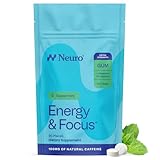
- Fast-Acting Nootropic - Our energy supplements deliver an extra boost of energy and clarity with a blend of natural caffeine, L-theanine, and vitamin b6 & b12. Your go-to chewing gum for work, exercise, and daily focus!
- Clean Energy - Each piece of our sugar free gum delivers 100mg of natural caffeine from green coffee beans for a smooth energy boost without crashes or jitters.
- The Perfect Balance - With 60mg of L-theanine per piece, our energy and focus formula promotes enhanced focus and stress reduction to smooth energy boosts.
- How to Use - Chew one piece of the caffeine gum whenever focus or energy is lacking. Ideal for mornings, pre-workout, or afternoon slumps. Effects typically kick in within minutes thanks to optimal absorption through the mouth.
- Made by Neuro, Backed by Science - At Neuro, we combine neuroscience with clean, science backed ingredients to help you do more, think better, and feel your best every single day.
What Affects Your Period Cramps and Coffee’s Role
- Individual Sensitivity to Caffeine: Some people are highly sensitive to caffeine’s effects, experiencing jitters, anxiety, or digestive upset even with small amounts. This sensitivity can extend to pain perception.
- Amount of Coffee Consumed: Drinking one cup of coffee is likely to have a different impact than drinking several cups throughout the day. Higher doses of caffeine can amplify its effects.
- Timing of Consumption: Consuming coffee close to bedtime can disrupt sleep, which is crucial for managing pain and overall well-being during your period.
- Genetics: Your genetic makeup can influence how quickly your body metabolizes caffeine and how sensitive your pain receptors are.
- Dietary Habits: What else you eat and drink alongside coffee can influence its effects. For example, consuming coffee with a lot of sugar might have different outcomes than drinking it black.
- Hydration Levels: Staying well-hydrated is important for muscle function and can help mitigate cramps. If coffee leads to dehydration, it could indirectly worsen pain.
- Stress Levels: High stress can increase muscle tension and pain sensitivity. Caffeine can exacerbate stress for some individuals.
- Hormonal Balance: The natural fluctuations in estrogen and progesterone during your cycle significantly impact cramp severity, regardless of coffee intake.
- Overall Health and Lifestyle: Factors like exercise, sleep, and diet contribute to how your body manages pain.
- Type of Coffee: While caffeine is the primary concern, the brewing method and additives (like milk or sugar) can also play a minor role in digestive comfort.
- Magnesium Levels: Magnesium is a mineral known to help relax muscles and reduce cramps. Low magnesium levels might make you more susceptible to cramps, and caffeine’s impact could be more pronounced.
- Other Stimulants: If you consume other caffeinated beverages or sources of stimulants, the cumulative effect can be greater.
Pros, Cons, and When It Matters
- Pro: Temporary Energy Boost: Coffee can provide a much-needed energy lift, which can be helpful when feeling fatigued during your period.
- Con: Potential for Increased Cramp Severity: For sensitive individuals, caffeine might worsen uterine contractions and pain intensity.
- Pro: Social Ritual: Enjoying a cup of coffee can be a comforting and social ritual, offering a moment of relaxation.
- Con: Digestive Upset: Coffee can irritate the stomach, leading to bloating, heartburn, or an upset stomach, which can add to discomfort.
- Pro: Antioxidants: Coffee contains antioxidants that are beneficial for overall health.
- Con: Sleep Disruption: Consuming coffee, especially later in the cycle, can interfere with sleep, making pain feel worse.
- Pro: Improved Focus: Caffeine can enhance alertness and concentration, which can be beneficial for daily tasks.
- Con: Anxiety and Jitters: For some, caffeine can trigger or worsen feelings of anxiety and nervousness.
- Pro: Decaf Option: Switching to decaffeinated coffee allows you to enjoy the taste and ritual without the stimulant effects of caffeine.
- Con: Dependence: Regular high caffeine intake can lead to dependence, with withdrawal symptoms like headaches if consumption is stopped.
- When It Matters: For Sensitive Individuals: If you consistently notice your cramps worsen after drinking coffee, it likely matters to you.
- When It Matters: During Peak Cramp Days: You might choose to limit or avoid coffee on days when your cramps are typically at their worst.
- When It Matters: For Overall Well-being: If you prioritize minimizing any potential discomfort during your period, reducing caffeine is a consideration.
- When It Matters: If Sleep is a Concern: If you struggle with sleep during your period, reducing caffeine intake is advisable.
Common Misconceptions
- Misconception: Coffee always worsens period cramps for everyone.
- Reality: The effect of coffee is highly individual. Many people experience no change in their cramps, while others do.
- Misconception: Only black coffee contains caffeine.
- Reality: Caffeine is present in all types of coffee, regardless of whether milk, cream, or sugar is added. The amount of caffeine can vary by roast and brewing method.
- Misconception: Decaf coffee has zero caffeine.
- Reality: Decaffeinated coffee still contains a small amount of caffeine, typically around 1-2% of the original amount.
- Misconception: Caffeine is the only factor affecting period cramps.
- Reality: Period cramps are influenced by many factors, including prostaglandins, hormones, diet, stress, and individual physiology.
- Misconception: Drinking more water will counteract caffeine’s negative effects on cramps.
- Reality: While hydration is crucial, water alone may not eliminate the direct physiological effects of caffeine on uterine muscles or prostaglandins.
- Misconception: If you don’t feel jittery, coffee isn’t affecting your cramps.
- Reality: Caffeine can have subtle physiological effects that don’t always manifest as obvious jitters, such as its impact on prostaglandins.
- Misconception: All period pain is the same.
- Reality: The intensity and type of menstrual pain vary significantly from person to person and cycle to cycle.
- Misconception: Coffee causes period cramps.
- Reality: Coffee doesn’t cause cramps but may potentially exacerbate existing ones in susceptible individuals.
FAQ
Q1: Is there scientific proof that coffee makes period cramps worse?
A1: Research on the direct link between coffee and worsened period cramps is mixed and not conclusive. While caffeine’s physiological effects suggest a potential connection, individual responses vary greatly.
Q2: How much coffee is too much if I’m concerned about cramps?
A2: There’s no universal “too much.” If you notice your cramps worsen, try reducing your intake to one cup or less per day, or consider switching to decaf to see if it makes a difference.
Q3: Should I avoid coffee entirely during my period?
A3: Not necessarily. If you don’t find that coffee affects your cramps, you can likely continue your normal consumption. If you suspect it does, reducing intake or switching to decaf is a good first step.
Q4: What are the best alternatives to coffee if I’m trying to reduce caffeine?
A4: Herbal teas like chamomile or ginger tea, decaffeinated coffee, or hot water with lemon are popular alternatives.
If you’re looking for a soothing alternative to coffee, consider trying an herbal tea designed to ease cramps. Many find these blends offer a comforting warmth without the stimulating effects of caffeine.

- CALMING LAVENDER CHAMOMILE BLEND: Tiesta Tea's Lavender Chamomile Herbal Tea is created for a soothing experience. This chamomile tea features the gentle essence of lavender combined with chamomile, ideal for a peaceful moment in every cup.
- LOOSE LEAF TEA QUALITY: Experience the fullness of flavor with our loose leaf tea, crafted with carefully selected ingredients for a delightful taste. Without disposable tea bags, this blend highlights the richness of loose tea leaves, delivering a tea experience that's vibrant in both flavor and aroma.
- HERBAL TEA FOR RELAXATION: This Lavender Chamomile tea is designed to offer calm and comfort. The blend of chamomile with lavender makes it an ideal tea to help you relax. Perfect for a nighttime wind-down or an afternoon pause, it’s a great addition to any daily tea ritual.
- NATURAL AND AROMATIC: Enjoy the gentle, floral aroma of lavender chamomile tea, crafted without additives and ideal for those seeking a caffeine-free option. This herbal tea offers a pure, calming flavor that makes it perfect for unwinding at any time.
- SEASONAL FLAVORS: Tiesta Tea’s loose-leaf blends are crafted to enhance your tea experience throughout the colder months. These seasonal favorites deliver a variety of flavors that are easy to brew and enjoy. Whether for personal use or shared during holiday gatherings, Tiesta Tea includes options that match different preferences and occasions.
Q5: Can other caffeinated drinks affect my period cramps?
A5: Yes, any beverage containing caffeine, such as tea, soda, or energy drinks, can potentially have similar effects as coffee.
Q6: What if I think coffee is making my cramps worse, but I still want something warm in the morning?
A6: Consider decaffeinated coffee, herbal teas like peppermint or ginger, or even warm water with a squeeze of lemon. These can provide warmth and comfort without the stimulant effects of caffeine.
If you suspect coffee is exacerbating your cramps but still crave a warm morning beverage, a pain relief tea can be a great option. These teas are often formulated with ingredients known for their soothing properties.

- A true adrenal support formula—replaces coffee without caffeine. Powered by Ashwagandha and Eleuthero, it offers non-stimulating energy, supports balanced cortisol levels, and promotes stress resilience. Ideal for those experiencing fatigue or burnout. Try our Adrenal Fatigue Recovery Tea for natural, daily adrenal support.
- Adaptogenic Herbs for Stress & Energy: This blend features time-tested adaptogens traditionally used to support the body’s response to stress, promote steady energy, and calm the nervous system. ASHWAGANDHA is known for helping reduce stress and improving stamina. ELEUTHERO supports endurance and focus. LICORICE ROOT is traditionally used to nourish the adrenals and help maintain balanced cortisol levels. TULSI (Holy Basil) is valued for easing tension and promoting emotional resilience.
- Circulatory & Digestive Support Herbs: Warming herbs like CINNAMON and GINGER are included to support circulation, stimulate digestion, and bring overall warmth to the body—making the blend more balanced and revitalizing.
- BUYER BEWARE: Master Herbalist Khabir cautions that many so-called adrenal support products rely heavily on L-theanine—an amino acid many clients with adrenal fatigue were already taking with minimal benefit. Some supplement brands include only trace amounts of herbs like Ashwagandha, Tulsi, and Eleuthero just to list them on the label. Don’t be misled by these marketing tactics. For best results, take your vitamins, minerals, and amino acids with meals—and your herbal formulas separately, as directed.
- This tea has been used successfully for decades in the clinics of Khabir Southwick (Herbman), a Registered Herbal Pharmacist and Ayurvedic Doctor. Search KHABIRS CLINIC to learn more about this master herbalist and his renowned herbal therapies.
Q7: Are there any natural remedies that help with period cramps that I can use alongside dietary changes?
A7: Many people find relief from heat therapy (like a heating pad), gentle exercise, magnesium supplements, and certain herbal remedies like ginger or cramp bark.
What This Page Does NOT Cover (and Where to Go Next)
- Specific Dosage Recommendations: This page provides general guidance. For precise advice on caffeine intake, consult a healthcare professional.
- Medical Diagnosis and Treatment: This information is not a substitute for professional medical advice. If you have severe or persistent period pain, see your doctor.
- Brand-Specific Coffee Analysis: We do not analyze the caffeine content or other compounds of specific coffee brands.
- Detailed Nutritional Breakdown of Coffee: This article focuses on caffeine’s potential impact on cramps, not a full nutritional profile.
- Other Dietary Triggers: While coffee is discussed, other foods and drinks can also influence menstrual symptoms. Exploring general dietary advice for period health might be beneficial.
- Management of Chronic Pelvic Pain: This page addresses menstrual cramps specifically. Chronic pelvic pain requires a different approach and medical evaluation.