
Does Coffee Exacerbate Menstrual Cramps?
Quick answer
- Coffee may influence menstrual cramp severity for some individuals, but it’s not a universal trigger.
- Caffeine is a stimulant that can affect blood vessels and digestion, potentially impacting comfort during menstruation.
- Some studies suggest a link between high caffeine intake and increased PMS symptoms, including cramps.
- Dehydration, often associated with high coffee consumption, can worsen muscle cramps.
- Individual sensitivity to caffeine varies significantly, making personal observation key.
- Reducing or eliminating coffee intake during your period might be a helpful experiment if you experience severe cramps.
Key terms and definitions
- Menstrual Cramps (Dysmenorrhea): Painful sensations in the lower abdomen during menstruation, caused by uterine contractions.
- Caffeine: A natural stimulant found in coffee, tea, and other plants, known for its energizing effects.
- Prostaglandins: Hormone-like substances that cause uterine muscle contractions and pain during menstruation.
- Vasoconstriction: The narrowing of blood vessels, which can be caused by caffeine.
- Diuretic: A substance that increases urine production, leading to fluid loss and potential dehydration.
- PMS (Premenstrual Syndrome): A group of physical and emotional symptoms that occur in the days or weeks leading up to a woman’s period.
- Adenosine Receptors: Brain receptors that caffeine blocks, leading to increased alertness.
- Cortisol: A stress hormone whose levels can be influenced by caffeine intake.
- Magnesium: A mineral important for muscle function; deficiency can sometimes contribute to cramps.
- Inflammation: A natural immune response that, when chronic, can contribute to pain.
How it works
- Caffeine stimulates the central nervous system, increasing alertness and energy.
- It can cause vasoconstriction, narrowing blood vessels, which might affect blood flow to the uterus.
- Coffee is a diuretic, meaning it can increase urine output and potentially lead to dehydration if not balanced with sufficient water intake.
- Caffeine can influence gut motility, potentially leading to digestive upset for some individuals.
- For some, caffeine can increase anxiety or stress, which may heighten pain perception.
- The stimulant effect might temporarily mask fatigue, only for it to return more intensely later.
- Coffee also contains other compounds besides caffeine, some of which are antioxidants.
- The acidity of coffee might be a factor for individuals with sensitive digestive systems.
- Caffeine can interfere with sleep patterns, and poor sleep can exacerbate pain and discomfort.
- It may influence the body’s production of certain hormones, though this area requires more research.
What affects whether coffee will make my cramps worse
- Caffeine Sensitivity: Some individuals are highly sensitive to caffeine, experiencing more pronounced effects.
- Dosage: High doses of caffeine are more likely to have an impact than moderate or low consumption.
- Hydration Levels: If coffee consumption leads to dehydration, cramps can intensify due to muscle contraction issues.
- Dietary Choices: A diet high in inflammatory foods might make one more susceptible to cramp severity, regardless of coffee.
- Stress Levels: High stress can worsen cramps, and caffeine can sometimes increase feelings of anxiety.
- Individual Pain Threshold: Everyone experiences pain differently, influencing how they perceive cramp severity.
- Underlying Conditions: Conditions like endometriosis or fibroids can cause severe cramps, where coffee’s impact might be secondary.
- Timing of Consumption: Consuming coffee close to bedtime can disrupt sleep, which can indirectly worsen cramp-related fatigue.
- Other Medications/Supplements: Interactions with other substances can alter caffeine’s effects.
- Hormonal Fluctuations: The body’s hormonal state during menstruation can influence how it reacts to stimulants.
- Nutrient Intake: Adequate intake of magnesium, calcium, and B vitamins can support muscle function and potentially alleviate cramps.
- Overall Lifestyle: Factors like exercise, sleep quality, and general well-being play a significant role in menstrual health.
Pros, cons, and when it matters
- Pro (Potential Energy Boost): Coffee can provide a much-needed energy lift when dealing with menstrual fatigue.
- Con (Dehydration Risk): Its diuretic effect can contribute to dehydration, potentially worsening muscle cramps.
- Pro (Mood Enhancement for Some): For some, the ritual and taste of coffee can be comforting and mood-lifting.
- Con (Increased Anxiety/Jitters): Caffeine can heighten anxiety or nervousness, which might make cramp discomfort feel worse.
- Pro (Pain Relief for Headaches): Caffeine is an ingredient in some over-the-counter pain relievers and can help with menstrual headaches.
- Con (Digestive Upset): For sensitive stomachs, coffee’s acidity or stimulant effect can cause digestive issues during an already sensitive time.
- When it matters (High Consumption): If you consume multiple large cups daily, the potential for negative effects like dehydration or increased anxiety is higher.
- When it matters (Caffeine Sensitivity): If you know you’re sensitive to caffeine, even small amounts might be enough to notice an impact on your cramps.
- When it matters (Severe Cramps): If you experience debilitating cramps, experimenting with reducing coffee intake might reveal a link.
- When it matters (Poor Hydration Habits): If you drink coffee but rarely drink plain water, the diuretic effect is more likely to be problematic.
- When it matters (Sleep Issues): If coffee disrupts your sleep, it could indirectly worsen your overall well-being and pain tolerance during your period.
- When it matters (Personal Experimentation): The most crucial aspect is how your body reacts; observing changes after adjusting coffee intake is key.
If you’re concerned about coffee’s diuretic effect, ensuring adequate hydration is key. Consider using hydration supplements to help balance fluid levels, especially if you’re a regular coffee drinker.

- FAST HYDRATION: Science-based electrolyte powder formula hydrates faster than water alone; useful to rehydrate on-the-go for athletes, sports, outdoor activities, travel, and hot days.
- ELECTROLYTE FORMULA: Delivers 3x electrolytes and half the sugar than leading sports drinks in a portable, easy-mix great tasting hydration powder.
- INGREDIENT-CONSCIOUS: Non-GMO, Gluten Free, Vegan, Soy-Free, Dairy-Free, and Kosher; includes potassium, magnesium, zinc, and vitamin C for added immune support, with natural colors from fruit and vegetable juices.
- SINGLE-SERVE CONVENIENCE: Includes 16 portable electrolyte packets that are easy to carry in a gym bag, backpack, purse, desk or pantry; a simple way to keep hydration packets on hand for daily use, workouts, commuting, and travel days.
- DELICIOUS FLAVOR: Men's Journal Fitness Award for the Best-Tasting Hydration Drink. Enjoy Watermelon, Berry, Lemon, and Orange flavors in one pouch. Mix 1 packet into 8 oz of water for on-the-go hydration.
Common misconceptions
- “Coffee always makes cramps worse.” This is not universally true; individual reactions vary greatly.
- “Decaf coffee is completely caffeine-free.” Decaf still contains a small amount of caffeine, though significantly less than regular coffee.
- “All period pain is the same.” Menstrual pain varies widely in intensity and cause; coffee’s impact will differ based on the type of pain.
- “Coffee is the sole cause of menstrual cramps.” Cramps are primarily caused by prostaglandins; coffee might exacerbate them but isn’t the root cause.
- “Cutting out coffee will instantly cure cramps.” While it might help some, cramps are complex and often require a multi-faceted approach to management.
- “Coffee only affects cramps through dehydration.” While dehydration is a factor, caffeine’s stimulant and vasoconstrictive effects can also play a role.
- “Herbal teas are always better for cramps than coffee.” Some herbal teas can be beneficial, but not all are created equal, and some may have their own effects.
- “There’s no scientific basis for coffee affecting cramps.” While research is ongoing, there are plausible physiological mechanisms through which caffeine could influence cramp severity.
- “You must completely avoid coffee during your period.” Many people can consume coffee in moderation without any noticeable negative impact on their cramps.
While coffee might affect some individuals, many find relief with alternatives. Some herbal teas, specifically formulated for cramps, can be a soothing and beneficial choice during your period.

- CALMING LAVENDER CHAMOMILE BLEND: Tiesta Tea's Lavender Chamomile Herbal Tea is created for a soothing experience. This chamomile tea features the gentle essence of lavender combined with chamomile, ideal for a peaceful moment in every cup.
- LOOSE LEAF TEA QUALITY: Experience the fullness of flavor with our loose leaf tea, crafted with carefully selected ingredients for a delightful taste. Without disposable tea bags, this blend highlights the richness of loose tea leaves, delivering a tea experience that's vibrant in both flavor and aroma.
- HERBAL TEA FOR RELAXATION: This Lavender Chamomile tea is designed to offer calm and comfort. The blend of chamomile with lavender makes it an ideal tea to help you relax. Perfect for a nighttime wind-down or an afternoon pause, it’s a great addition to any daily tea ritual.
- NATURAL AND AROMATIC: Enjoy the gentle, floral aroma of lavender chamomile tea, crafted without additives and ideal for those seeking a caffeine-free option. This herbal tea offers a pure, calming flavor that makes it perfect for unwinding at any time.
- SEASONAL FLAVORS: Tiesta Tea’s loose-leaf blends are crafted to enhance your tea experience throughout the colder months. These seasonal favorites deliver a variety of flavors that are easy to brew and enjoy. Whether for personal use or shared during holiday gatherings, Tiesta Tea includes options that match different preferences and occasions.
FAQ
Q: Will coffee make my cramps worse if I only drink one cup a day?
A: For many, one cup of coffee daily may not significantly impact cramps. Individual sensitivity is key; if you don’t notice a difference, it’s likely fine for you. However, if you experience discomfort, even a single cup could be worth evaluating.
Q: Is it the caffeine in coffee that affects cramps, or something else?
A: The caffeine is the primary component in coffee thought to influence cramps due to its stimulant, diuretic, and vasoconstrictive properties. Other compounds in coffee are less likely to be a major factor in cramp severity.
The caffeine in coffee is the primary suspect when it comes to exacerbating cramps. If you’re looking to reduce caffeine intake but still need an energy boost, exploring caffeine supplements might offer a more controlled way to manage your stimulant consumption.
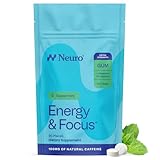
- Fast-Acting Nootropic - Our energy supplements deliver an extra boost of energy and clarity with a blend of natural caffeine, L-theanine, and vitamin b6 & b12. Your go-to chewing gum for work, exercise, and daily focus!
- Clean Energy - Each piece of our sugar free gum delivers 100mg of natural caffeine from green coffee beans for a smooth energy boost without crashes or jitters.
- The Perfect Balance - With 60mg of L-theanine per piece, our energy and focus formula promotes enhanced focus and stress reduction to smooth energy boosts.
- How to Use - Chew one piece of the caffeine gum whenever focus or energy is lacking. Ideal for mornings, pre-workout, or afternoon slumps. Effects typically kick in within minutes thanks to optimal absorption through the mouth.
- Made by Neuro, Backed by Science - At Neuro, we combine neuroscience with clean, science backed ingredients to help you do more, think better, and feel your best every single day.
Q: Should I switch to decaf coffee during my period?
A: If you suspect regular coffee is worsening your cramps, switching to decaf might be a good experiment. Decaf contains much less caffeine and could help you maintain your coffee routine without the full stimulant effect.
Q: How quickly might I notice a difference if I reduce my coffee intake?
A: If coffee is contributing to your cramps, you might notice a difference within a cycle or two of reducing or eliminating it. Pay attention to how your body feels during your next period after making a change.
Q: Can drinking more water counteract the diuretic effect of coffee?
A: Yes, actively increasing your water intake throughout the day can help mitigate the dehydrating effects of coffee. Staying well-hydrated is generally beneficial for muscle function and can help alleviate cramps.
Q: Are there specific types of coffee that are better or worse for cramps?
A: The caffeine content is the main factor. Darker roasts often have slightly less caffeine by volume than lighter roasts, but the brewing method and serving size are more significant. The acidity might also vary, which could affect stomach sensitivity.
Q: What are some alternatives to coffee for energy during my period?
A: Consider herbal teas (like ginger or peppermint), getting enough sleep, light exercise, and nutrient-rich snacks. Staying well-hydrated with plain water is also crucial for maintaining energy levels.
What this page does NOT cover (and where to go next)
- Specific dietary recommendations beyond coffee for managing menstrual cramps.
- Detailed information on medical treatments or interventions for severe dysmenorrhea.
- The broader impact of caffeine on overall women’s health beyond menstrual cramps.
- Information on other potential causes of abdominal pain that may mimic menstrual cramps.
- Advice on specific coffee brewing methods or equipment.
- In-depth scientific mechanisms of prostaglandin production and action.