
How Coffee Can Boost Your Motivation Levels
Quick Answer
- Coffee’s primary stimulant, caffeine, can temporarily increase alertness and focus.
- This can translate to a feeling of enhanced motivation for certain tasks.
- The effect is most pronounced for tasks requiring sustained attention or overcoming initial inertia.
- Individual responses to caffeine vary significantly.
- Motivation boost is often short-lived and not a substitute for intrinsic drive.
- For some, coffee can lead to jitters or anxiety, counteracting any motivational benefits.
Key Terms and Definitions
- Caffeine: A naturally occurring stimulant found in coffee beans, tea leaves, and cocoa beans. It is known for its ability to block adenosine, a neurotransmitter that promotes relaxation and sleepiness.
- Adenosine: A neuromodulator that builds up in the brain throughout the day, signaling fatigue and promoting sleep. Caffeine’s primary mechanism of action is to block adenosine receptors.
- Dopamine: A neurotransmitter associated with pleasure, reward, and motivation. Caffeine can indirectly influence dopamine levels, contributing to its mood-lifting effects.
- Alertness: The state of being aware of one’s surroundings and able to respond to stimuli. Caffeine is well-known for increasing subjective feelings of alertness.
- Focus: The ability to concentrate one’s attention on a particular task or subject. Caffeine can improve focus, especially for mundane or repetitive tasks.
- Motivation: The internal drive or desire to do something. While caffeine can influence factors related to motivation, it doesn’t create it from scratch.
- Placebo Effect: A beneficial effect produced by a placebo drug or treatment, which cannot be attributed to the properties of the placebo itself, and must therefore be due to the patient’s belief in that treatment.
- Tolerance: A condition in which a person’s body becomes accustomed to a drug, requiring larger doses to achieve the same effect. Regular coffee drinkers may develop caffeine tolerance.
- Withdrawal: Unpleasant physical or psychological symptoms that occur when a person stops taking a drug to which they have become addicted or dependent. Caffeine withdrawal can include headaches and fatigue.
- Intrinsic Motivation: The drive to do something for its own sake, because it is inherently interesting or enjoyable. Coffee’s effects are generally external to this.
How Coffee Can Boost Your Motivation Levels
- Coffee contains caffeine, a central nervous system stimulant.
- Caffeine works by blocking adenosine receptors in the brain.
- Adenosine is a neurotransmitter that makes you feel tired.
- By blocking adenosine, caffeine increases the activity of other neurotransmitters like dopamine and norepinephrine.
- Increased dopamine can lead to feelings of pleasure and reward, which are linked to motivation.
- Norepinephrine can increase alertness and attention.
- This physiological response can make you feel more awake, engaged, and ready to tackle tasks.
- For tasks that require sustained mental effort or overcoming initial resistance, this boost can feel like increased motivation.
- The effect is often temporary, lasting for a few hours after consumption.
- The perceived motivation boost is a complex interplay of physiological and psychological factors.
If you’re looking for a more direct way to experience caffeine’s effects without the ritual of coffee, consider caffeine supplements. They offer a concentrated dose to help you feel more awake and engaged.
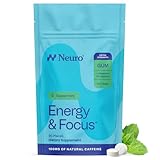
- Fast-Acting Nootropic - Our energy supplements deliver an extra boost of energy and clarity with a blend of natural caffeine, L-theanine, and vitamin b6 & b12. Your go-to chewing gum for work, exercise, and daily focus!
- Clean Energy - Each piece of our sugar free gum delivers 100mg of natural caffeine from green coffee beans for a smooth energy boost without crashes or jitters.
- The Perfect Balance - With 60mg of L-theanine per piece, our energy and focus formula promotes enhanced focus and stress reduction to smooth energy boosts.
- How to Use - Chew one piece of the caffeine gum whenever focus or energy is lacking. Ideal for mornings, pre-workout, or afternoon slumps. Effects typically kick in within minutes thanks to optimal absorption through the mouth.
- Made by Neuro, Backed by Science - At Neuro, we combine neuroscience with clean, science backed ingredients to help you do more, think better, and feel your best every single day.
What Affects the Motivation Boost from Coffee
- Caffeine Dosage: The amount of caffeine consumed directly impacts the intensity of the stimulant effect. Higher doses generally lead to a stronger, but potentially more jittery, response.
- Individual Sensitivity: People metabolize caffeine at different rates, meaning some individuals are much more sensitive to its effects than others. Genetics play a significant role here.
- Tolerance Development: Regular, daily coffee consumption can lead to tolerance, diminishing the perceived motivational or alertness boost over time.
- Time of Day: Consuming coffee when you naturally feel a dip in energy (e.g., mid-afternoon) might yield a more noticeable effect than when you are already alert.
- Hydration Levels: Dehydration can mimic symptoms of fatigue. Being well-hydrated before or with your coffee can ensure the caffeine’s effects are not overshadowed by thirst.
- Sleep Quality: If you are severely sleep-deprived, caffeine might provide a temporary mask for fatigue but won’t replace the need for rest. Its motivational impact will be less pronounced.
- Food Intake: Drinking coffee on an empty stomach can lead to a faster absorption of caffeine and a more intense, potentially shorter-lived, effect. Food can slow absorption.
- Task Demands: Coffee is more likely to provide a noticeable boost for tasks that are monotonous, require sustained focus, or involve overcoming initial inertia. It’s less impactful for highly creative or intrinsically engaging work.
- Expectations (Placebo): Your belief that coffee will make you more motivated can itself contribute to a perceived increase in motivation, even before the caffeine fully kicks in.
- Other Stimulants or Depressants: Consuming other substances, including certain medications, can interact with caffeine and alter its effects on alertness and motivation.
- Acidity and Flavor: While not directly related to the stimulant effect, the enjoyable taste and aroma of coffee can also contribute to a positive psychological experience, indirectly supporting a motivated mindset.
- Brewing Method: While the brewing method primarily affects flavor and extraction, a well-brewed cup can enhance the overall positive sensory experience, which can subtly influence mood and readiness.
Pros, Cons, and When It Matters
- Pro: Enhanced Alertness: Coffee can effectively combat drowsiness, making you feel more awake and ready to engage with tasks. This is beneficial for early mornings or late-night work sessions.
- Con: Jitters and Anxiety: For some, especially with higher doses or increased sensitivity, caffeine can induce nervousness, jitters, or even anxiety, which can be counterproductive to motivation.
- Pro: Improved Focus: Caffeine can sharpen concentration, making it easier to stay on task, especially for repetitive or less engaging activities.
- Con: Temporary Effect: The motivational boost is not permanent. Once the caffeine wears off, you may experience a crash or return to your baseline energy levels, sometimes feeling even more tired.
- Pro: Mood Enhancement: The release of dopamine can lead to a temporary uplift in mood, which can make tasks seem more appealing and less daunting.
- Con: Dependency and Withdrawal: Regular use can lead to physical dependence, with withdrawal symptoms like headaches and fatigue occurring if consumption is stopped abruptly.
- Pro: Overcoming Inertia: Coffee can provide the initial push needed to start a task that you might otherwise procrastinate on.
- Con: Masking Underlying Issues: Relying on coffee for motivation can mask deeper issues like burnout, poor sleep hygiene, or lack of intrinsic interest in the work.
- Pro: Cognitive Performance Boost: For certain cognitive tasks, particularly those involving attention and vigilance, caffeine can lead to measurable improvements.
- Con: Sleep Disruption: Consuming coffee too late in the day can interfere with sleep quality, leading to a cycle of fatigue and increased reliance on stimulants.
- Pro: Social Ritual: The act of preparing and enjoying coffee can be a comforting ritual that signals a transition into a productive mindset.
- Con: Individual Variability: What works for one person might not work for another. Some individuals may experience little to no motivational benefit, or even negative effects.
- When It Matters: Coffee can be most helpful when you need to overcome immediate fatigue, increase focus for a specific period, or push through the initial stages of a task you find challenging. It’s less effective as a long-term strategy for sustained motivation or for tasks you genuinely dislike.
Common Misconceptions
- Myth: Coffee Creates Motivation: Coffee doesn’t generate motivation; it can temporarily enhance factors that contribute to it, like alertness and focus. True motivation often stems from intrinsic interest or clear goals.
- Myth: More Coffee Means More Motivation: While caffeine is a stimulant, excessive amounts can lead to anxiety and jitters, which can actually hinder productivity and focus, negating any motivational benefits.
- Myth: Coffee is a Healthy Alternative to Sleep: Caffeine can mask fatigue, but it doesn’t replace the restorative benefits of adequate sleep. Relying on coffee instead of sleep can lead to chronic exhaustion.
- Myth: Everyone Gets the Same Boost: Individual responses to caffeine vary greatly due to genetics, tolerance, and metabolism. What makes one person feel motivated might make another feel anxious or have no effect.
- Myth: Coffee is Only About the Caffeine: While caffeine is the primary stimulant, the ritual of preparing and drinking coffee, its aroma, and flavor can also contribute positively to one’s mindset and readiness for tasks.
- Myth: Coffee is a Performance Enhancer for All Tasks: Caffeine is most effective for tasks requiring sustained attention and vigilance. It may have little to no positive impact, or even a negative one, on complex cognitive tasks requiring creativity or fine motor control.
- Myth: You Can’t Build Tolerance to the Motivational Effects: While you might not notice the “buzz” as much, your body can adapt to caffeine’s stimulant effects, meaning you may need more to achieve the same level of alertness or perceived motivation over time.
- Myth: Coffee is Bad for Your Brain: In moderation, caffeine is generally considered safe and can even have some neuroprotective benefits. Excessive consumption or sensitivity can lead to negative effects, but moderate intake is typically not harmful.
- Myth: The “Crash” is Purely Psychological: While expectations play a role, the physiological effect of caffeine wearing off, combined with the rebound effect of adenosine binding to its receptors, contributes to the post-caffeine fatigue.
FAQ
Q1: Can coffee genuinely make me more motivated?
A1: Coffee contains caffeine, which can temporarily increase alertness and focus. This can make you feel more ready to tackle tasks, which some people perceive as increased motivation. However, it doesn’t create motivation from scratch.
Q2: How long does the motivational boost from coffee last?
A2: The effects of caffeine typically peak within 30 to 60 minutes and can last for several hours, usually around 3 to 5 hours. The perceived motivational boost will fade as the caffeine wears off.
Q3: Will drinking more coffee give me more motivation?
A3: Not necessarily. While more caffeine might increase alertness, exceeding your personal tolerance can lead to jitters, anxiety, and difficulty concentrating, which can actually decrease your ability to be motivated and productive.
Q4: Is the motivation boost from coffee real or just a placebo?
A4: It’s a combination of both. Caffeine has genuine physiological effects that increase alertness and can influence neurotransmitters linked to reward. Your belief that coffee will help also plays a significant role through the placebo effect.
Q5: Can I become addicted to coffee for motivation?
A5: You can develop a physical dependence on caffeine, meaning you might experience withdrawal symptoms if you stop. This can make you feel like you need coffee to feel motivated or functional, but it’s not typically considered a psychological addiction in the same way as some other substances.
Q6: What if coffee makes me feel anxious instead of motivated?
A6: Some individuals are more sensitive to caffeine and can experience anxiety, jitters, or restlessness, which are counterproductive to motivation. If this happens, reducing your intake or avoiding coffee might be best.
Q7: Does the type of coffee or brewing method affect the motivational boost?
A7: The primary driver of the stimulant effect is the caffeine content. While brewing methods affect flavor and extraction, the overall caffeine amount is more critical for the physiological boost. Lighter roasts and certain brewing methods can sometimes retain slightly more caffeine.
Q8: Is it better to drink coffee before or during a task to feel motivated?
A8: For a noticeable effect, it’s generally best to consume coffee about 30-60 minutes before you intend to start your task, allowing time for the caffeine to be absorbed and take effect.
What This Page Does NOT Cover (and Where to Go Next)
- Specific caffeine content in various coffee beans or brewing methods. (Next: Explore resources on coffee bean origins and brewing science.)
- Detailed scientific studies on caffeine’s neurochemical pathways. (Next: Look for academic journals or reputable science publications.)
- Nutritional information or health benefits beyond motivation. (Next: Consult health and nutrition resources.)
- Recommendations for specific coffee brands or products. (Next: Explore coffee review sites or specialty coffee guides.)
- How to overcome chronic procrastination or motivation issues beyond stimulant use. (Next: Consider resources on productivity, psychology, and habit formation.)