
Why Even One Sip of Coffee Can Cause Bowel Movements
Quick answer
- Coffee stimulates bowel activity quickly, often within minutes of consumption.
- This effect is primarily due to compounds in coffee, not just caffeine.
- The gastrocolic reflex, a normal digestive response, is heightened by coffee.
- Your individual sensitivity to coffee’s effects varies.
- Hydration and diet also play a role in bowel regularity.
- It’s a common experience for many coffee drinkers.
What this problem usually is (and is not)
- This is usually a normal physiological response to coffee, not a sign of illness.
- It is not typically an allergic reaction, though some individuals may have sensitivities to coffee components.
- It’s not necessarily a sign of poor digestion, but rather an accelerated one.
- It does not mean your coffee is “bad” or improperly brewed.
- It is not an indication that you need to stop drinking coffee, unless it causes significant discomfort.
- It’s not a universal experience; some people don’t feel this effect at all.
Likely causes (triage list)
- Coffee compounds: Caffeine is a known stimulant, but other compounds like chlorogenic acids may also contribute to increased gut motility. To confirm: Try decaffeinated coffee and note if the effect is lessened or absent.
- Gastrocolic reflex stimulation: Coffee can trigger this reflex, which signals the colon to contract and move contents. To confirm: Observe if other foods or drinks also trigger a similar, though perhaps milder, response.
- Acidity: Coffee is acidic, which can sometimes stimulate the digestive system. To confirm: Experiment with lower-acid coffee varieties or cold brew, which tends to be less acidic.
- Hydration: Drinking any liquid, including water, can help stimulate bowel movements. Coffee adds to your fluid intake. To confirm: Notice if drinking a similar volume of plain water has a similar, albeit weaker, effect.
- Individual sensitivity: Some people are simply more responsive to coffee’s effects on the gut. To confirm: Compare your reaction to that of others who drink similar amounts of coffee.
- Time of day: Drinking coffee first thing in the morning often coincides with the body’s natural urge to have a bowel movement. To confirm: Drink coffee later in the day after you’ve already had a bowel movement and see if the effect is still as pronounced.
- Gut microbiome: The balance of bacteria in your gut can influence how you react to certain foods and drinks. To confirm: This is harder to self-diagnose but general gut health can be a factor.
To confirm if caffeine is the primary culprit for you, try decaffeinated coffee and note if the effect is lessened or absent. You can find a variety of decaf options to experiment with.
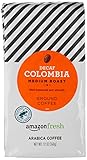
- Balanced, full-bodied medium roast with a smooth finish
- One 12-ounce bag of ground coffee
- Decaffeinated
- 100% Arabica coffee grown in Colombia
- Roasted and packed in the U.S.A.
Fix it step-by-step (brew workflow)
1. Assess your usual coffee intake: Note how much coffee you drink and when.
- What to do: Keep a log for a few days, noting coffee quantity (e.g., 8 oz, 12 oz) and timing.
- What “good” looks like: An accurate record of your coffee habits.
- Common mistake: Underestimating consumption; be precise with measurements.
2. Consider your hydration levels: Are you drinking enough water throughout the day?
- What to do: Ensure you’re drinking adequate plain water, especially alongside coffee.
- What “good” looks like: Urine is pale yellow; you’re not feeling thirsty.
- Common mistake: Relying on coffee for hydration; coffee is a diuretic for some.
3. Experiment with coffee type: Try different roasts or decaf.
- What to do: Switch to a lighter roast, a cold brew, or a decaffeinated option.
- What “good” looks like: You notice a reduction in the immediate urge after drinking.
- Common mistake: Assuming all coffee has the same effect; caffeine and acidity vary.
4. Adjust brewing method: Some methods might produce a less intense brew.
- What to do: Try a pour-over with a slightly coarser grind or a French press for a different extraction.
- What “good” looks like: A brew that feels less “harsh” on your stomach.
- Common mistake: Thinking only grind size matters; brew time and temperature also impact extraction.
5. Eat before or with your coffee: Having food in your stomach can buffer coffee’s effects.
- What to do: Drink your coffee after a meal or with a small snack.
- What “good” looks like: Less immediate gastrointestinal urgency.
- Common mistake: Drinking coffee on an empty stomach, which can intensify its effects.
6. Reduce portion size: Sometimes, less is more.
- What to do: Drink a smaller cup of coffee or dilute your coffee with milk or water.
- What “good” looks like: Still enjoying coffee without the strong immediate urge.
- Common mistake: Believing you need a large amount of coffee to feel awake.
7. Monitor added ingredients: Sugar, cream, or artificial sweeteners can also affect digestion.
- What to do: Drink your coffee black for a few days to isolate coffee’s effects.
- What “good” looks like: Identifying if additives are contributing to the issue.
- Common mistake: Overlooking the impact of milk or sweeteners on your gut.
8. Listen to your body: Pay attention to how you feel after different coffee preparations.
- What to do: Note any changes in discomfort, urgency, or regularity.
- What “good” looks like: Understanding your personal tolerance and optimal coffee routine.
- Common mistake: Ignoring persistent discomfort, which might indicate a deeper issue.
Prevent it next time
- Maintain good hydration: Drink plenty of water throughout the day, not just coffee.
- Eat a balanced diet: A diet rich in fiber supports healthy digestion.
- Consider coffee timing: Drink coffee after a meal rather than on an empty stomach.
- Choose your coffee wisely: Experiment with lower-acid varieties or decaf if sensitive.
- Moderate portion sizes: Smaller servings may reduce the intensity of the effect.
- Regular exercise: Physical activity can promote regular bowel movements.
- Stress management: Stress can impact digestive health.
- Avoid excessive additives: Sugars and artificial sweeteners can sometimes exacerbate digestive issues.
Common mistakes (and what happens if you ignore them)
| Mistake | What it causes | Fix |
|---|---|---|
| Drinking coffee on an empty stomach | Can lead to more pronounced gastrointestinal stimulation and discomfort. | Eat a small meal or snack before or with your coffee. |
| Consuming large amounts of coffee quickly | May overwhelm your digestive system, leading to stronger urges. | Reduce your portion size or drink coffee more slowly. |
| Not staying hydrated with plain water | Coffee’s diuretic effect (for some) can lead to dehydration, potentially impacting overall bowel function. | Drink adequate plain water throughout the day, especially when consuming coffee. |
| Ignoring personal sensitivity to caffeine or acidity | Continued discomfort or overstimulation. | Experiment with decaf or lower-acid coffee options. |
| Adding excessive sugar or artificial sweeteners | Can sometimes cause digestive upset or gas in sensitive individuals. | Reduce or eliminate added sugars/sweeteners; try coffee black or with a splash of milk. |
| Not allowing sufficient time for digestion after meals | Can sometimes lead to a feeling of being “too full” or rushed digestion. | Wait 20-30 minutes after a meal before drinking coffee. |
| Believing all coffee has the same effect | Missing opportunities to find a coffee that suits you better. | Try different roasts, origins, and brewing methods. |
| Ignoring persistent or severe discomfort | Could mask an underlying digestive issue. | Consult a healthcare professional if symptoms are severe or persistent. |
Decision rules (simple if/then)
- If you experience immediate urgency after one sip of coffee, then it’s likely your body’s normal gastrocolic reflex being strongly triggered because coffee is a powerful stimulant.
- If switching to decaf coffee significantly reduces the effect, then caffeine is a primary driver for you because it’s a known gut stimulant.
- If drinking coffee with food lessens the immediate urge, then your stomach benefits from having a buffer because food slows down gastric emptying.
- If you feel uncomfortable or experience cramping, then consider reducing your coffee intake or trying a lower-acid brew because your digestive system might be sensitive to acidity or caffeine levels.
- If you only experience this effect with very strong coffee, then the concentration of coffee compounds is likely a factor because more concentrated coffee delivers a higher dose of stimulants.
- If you are also dehydrated, then increase your plain water intake alongside coffee because proper hydration supports overall digestive function.
- If this has started recently and is accompanied by other new symptoms, then consult a healthcare professional because it could indicate a change in your digestive health.
- If you find cold brew coffee less impactful, then acidity may be a contributing factor because cold brew typically has lower acidity than hot brewed coffee.
- If you’re consuming coffee first thing in the morning, then it might be amplifying your body’s natural morning bowel urge because the colon is often most active upon waking.
FAQ
- Is it normal to have a bowel movement after one sip of coffee?
Yes, for many people, it’s a normal and quick physiological response. Coffee can stimulate the gastrocolic reflex almost immediately, even with a small amount.
- What in coffee makes me need to poop?
Caffeine is a major stimulant, but other compounds like chlorogenic acids also play a role. These substances can increase contractions in the colon.
- Does decaf coffee also make you poop?
Decaf coffee can still have a similar, though often milder, effect. This suggests that compounds other than just caffeine contribute to coffee’s laxative properties.
- Is this a sign of a digestive problem?
Usually not. It’s often a sign of a healthy and responsive digestive system. However, if accompanied by pain or other symptoms, it’s worth discussing with a doctor.
- Can I stop coffee from making me poop?
You can mitigate the effect by drinking coffee with food, choosing lower-acid varieties, or reducing your portion size. It’s difficult to completely eliminate the response if you’re sensitive.
- Why does it happen so quickly, even after one sip?
The gastrocolic reflex is triggered by food or drink entering the stomach, signaling the colon to prepare for digestion. Coffee is a particularly strong trigger for this reflex.
What this page does NOT cover (and where to go next)
- Specific medical conditions that might be exacerbated by coffee.
- Detailed nutritional information about coffee’s health benefits or risks.
- The chemical composition of all coffee compounds and their exact mechanisms.
- Advanced brewing techniques beyond basic adjustments for digestive comfort.
- Information on coffee bean origins or ethical sourcing.