
Coffee and Cramps: What’s the Connection?
Quick answer
- Coffee can sometimes make menstrual cramps worse for some people.
- Caffeine is a stimulant and can increase muscle contractions, including those in the uterus.
- It can also affect hormone-like substances called prostaglandins, which play a role in pain.
- Some people find relief by reducing or eliminating caffeine during their period.
- Decaf coffee or herbal teas might be better options.
- Listen to your body; everyone reacts differently.
Key terms and definitions
- Menstrual Cramps: Painful muscle contractions in the uterus, often felt as throbbing or aching in the lower abdomen.
- Caffeine: A natural stimulant found in coffee beans, tea leaves, and cocoa. It affects the central nervous system.
- Prostaglandins: Hormone-like fatty acids that are involved in inflammation and pain. They are produced in higher amounts during menstruation and contribute to uterine contractions.
- Uterus: The muscular organ in a woman’s pelvis where a fetus develops during pregnancy.
- Stimulant: A substance that increases the activity of the central nervous system, leading to increased alertness and energy.
- Gastrointestinal Tract: The series of organs responsible for digesting food and absorbing nutrients.
- Dehydration: A condition where the body loses more fluid than it takes in, which can sometimes exacerbate muscle discomfort.
- Hormone Regulation: The process by which the body controls the levels and activity of hormones.
- Pain Receptors: Specialized nerve endings that detect painful stimuli.
- Blood Flow: The movement of blood through the body’s vessels, which can be influenced by stimulants.
How it works
- Coffee contains caffeine, a well-known stimulant.
- Caffeine can increase the sensitivity of your pain receptors.
- It also boosts the production of prostaglandins in the body.
- Prostaglandins cause the uterus to contract more forcefully.
- Stronger uterine contractions mean more intense menstrual cramps for some.
- Caffeine can also affect blood flow, potentially constricting blood vessels.
- This constriction might reduce blood supply to the uterus, intensifying pain.
- For some, caffeine can also speed up digestion, leading to bloating or discomfort.
- Bloating can add pressure to the pelvic area, worsening cramp sensations.
- Ultimately, it’s a complex interplay of physiological responses.
If you’re looking for additional ways to manage discomfort, consider exploring targeted menstrual cramp relief products.
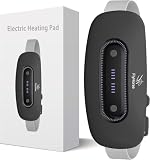
- Cordless Relief That Moves With Your Routine: Unlike plug-in heating pads that keep you tied to a chair or bed, this wearable heating pad is powered by 2 built-in 1800mAh rechargeable batteries, so you can keep soothing warmth on while doing housework, walking around the office, commuting, or relaxing on the couch. It is made for people whose discomfort does not wait until they sit still
- Fast Warmth for The Moment Discomfort Starts: When cramps, lower-abdomen tension, or back tightness suddenly hit in the middle of work, errands, commuting, or rest, waiting too long for heat can feel frustrating. With fast heating in as little as 3 seconds, this cordless heating pad helps bring warmth right when you need it, so you can stay more comfortable through busy mornings, cold days, and long afternoons
- 4 Heat Levels for Different Body Feels and Daily Situations: Your body does not feel the same all day—and neither should your heat setting. Choose from 104°F, 118°F, 133°F, and 149°F for gentle warmth on cooler days, moderate comfort during routine wear, or deeper heat when cramps or muscle tightness feel more intense. Whether you are sitting in an air-conditioned office, driving in cold weather, or resting at home, you can match the heat to how your body feels in that moment
- 4 Massage Modes for The Tension Built By Sitting, Standing or Driving: Long hours at a desk, extended driving, standing through shifts, or moving all day can leave the lower back and abdominal area feeling stiff, sore, and tired. This wireless heating pad combines heat with 4 vibration massage modes to help relax the tightness that builds up from daily routines, giving extra comfort for teachers, nurses, office workers, drivers, and anyone whose schedule puts constant strain on the body
- Wider Heat Coverage for Pain That Does Not Stay In One Small Spot: Discomfort from cramps or lower-back fatigue often spreads across more than one narrow area. With an enlarged heating zone of about 8.3 x 9 inches, this rechargeable heating pad surrounds more of the lower abdomen or lower back at once, so warmth feels broader, more even, and more effective than small hot-spot pads that only warm one limited point
What affects the result
- Caffeine Content: Darker roasts and certain brewing methods can yield more caffeine per cup. A double espresso packs a punch.
- Individual Sensitivity: Some people are genetically more sensitive to caffeine’s effects. It’s like some folks can handle spicy food and others can’t.
- Amount Consumed: Drinking one cup versus four makes a big difference. Moderation is key.
- Timing: Consuming coffee right before or during peak cramp times might be more impactful.
- Hydration Levels: Being dehydrated can make muscle cramps, including uterine ones, feel worse. Coffee is a diuretic, so staying hydrated is important.
- Diet: Other foods consumed alongside coffee can influence digestion and overall comfort.
- Stress Levels: Stress can amplify pain perception, and caffeine can sometimes increase stress.
- Hormonal Fluctuations: The natural ebb and flow of hormones during the menstrual cycle play a significant role in cramp severity.
- Underlying Conditions: Conditions like endometriosis can cause severe cramps, and caffeine might exacerbate them.
- Sleep Quality: Poor sleep can lower pain tolerance. Caffeine can disrupt sleep for some.
- Type of Coffee: Espresso, drip, cold brew – they all have different caffeine levels and brewing impacts.
- Personal Metabolism: How quickly your body processes caffeine varies from person to person.
Since coffee is a diuretic, maintaining proper hydration is crucial, especially during your period; consider adding hydration supplements to your routine.

- FAST HYDRATION: Science-based electrolyte powder formula hydrates faster than water alone; useful to rehydrate on-the-go for athletes, sports, outdoor activities, travel, and hot days.
- ELECTROLYTE FORMULA: Delivers 3x electrolytes and half the sugar than leading sports drinks in a portable, easy-mix great tasting hydration powder.
- INGREDIENT-CONSCIOUS: Non-GMO, Gluten Free, Vegan, Soy-Free, Dairy-Free, and Kosher; includes potassium, magnesium, zinc, and vitamin C for added immune support, with natural colors from fruit and vegetable juices.
- SINGLE-SERVE CONVENIENCE: Includes 16 portable electrolyte packets that are easy to carry in a gym bag, backpack, purse, desk or pantry; a simple way to keep hydration packets on hand for daily use, workouts, commuting, and travel days.
- DELICIOUS FLAVOR: Men's Journal Fitness Award for the Best-Tasting Hydration Drink. Enjoy Watermelon, Berry, Lemon, and Orange flavors in one pouch. Mix 1 packet into 8 oz of water for on-the-go hydration.
Pros, cons, and when it matters
- Pro: Coffee can offer a temporary energy boost, which might be welcome during a rough period.
- Con: It can increase uterine contractions, making cramps more severe for some.
- Pro: The ritual of making and drinking coffee can be comforting and a moment of self-care.
- Con: Caffeine can lead to jitters or anxiety, which might worsen feelings of discomfort.
- Pro: For those unaffected, coffee might not have any negative impact on their cramps.
- Con: It can disrupt sleep, making it harder to rest and recover.
- Pro: Decaffeinated coffee still offers the taste and ritual without the stimulant.
- Con: If you’re prone to digestive issues, coffee might exacerbate bloating.
- Pro: It’s a widely accessible and familiar beverage.
- Con: Relying on caffeine for energy can mask underlying fatigue.
- Pro: Some studies suggest coffee may have other health benefits, though not specifically for cramps.
- Con: If your cramps are severe, adding caffeine might be counterproductive to pain management.
- When it matters: If you notice a consistent link between your coffee intake and increased cramp severity, it’s worth paying attention.
- When it matters: During particularly painful periods, experimenting with reducing caffeine could be beneficial.
- When it matters: If you’re trying to manage cramps naturally, caffeine is one factor to consider.
Common misconceptions
- Myth: Coffee always makes cramps worse for everyone.
- Fact: Many people experience no change in their cramps when drinking coffee. It’s highly individual.
- Myth: All coffee has the same amount of caffeine.
- Fact: Caffeine levels vary significantly by bean type, roast, grind, and brewing method.
- Myth: Only caffeine in coffee causes issues.
- Fact: While caffeine is the main culprit, other compounds in coffee might play a minor role for some.
- Myth: Decaf coffee is completely caffeine-free.
- Fact: Decaf coffee still contains a small amount of caffeine, though much less than regular.
- Myth: Cramps are just a minor inconvenience.
- Fact: For many, menstrual cramps can be debilitating and significantly impact daily life.
- Myth: You have to quit coffee entirely if you have cramps.
- Fact: Simply reducing intake or switching to decaf might be enough.
- Myth: Coffee directly causes menstrual pain.
- Fact: Coffee can exacerbate existing pain by influencing physiological processes. It doesn’t “cause” the cramps themselves.
- Myth: Hydration doesn’t matter if you drink coffee.
- Fact: Coffee is a mild diuretic; adequate water intake is still crucial, especially when dealing with cramps.
- Myth: Herbal teas are always better than coffee for cramps.
- Fact: While some herbal teas can be soothing, others might have mild stimulant effects. It depends on the herb.
FAQ
Q: Can drinking coffee really make my period cramps worse?
A: For some individuals, yes. Caffeine can increase uterine contractions and heighten pain sensitivity, potentially intensifying cramps.
Q: How much caffeine is too much when I have cramps?
A: There’s no magic number. It depends on your personal sensitivity. If you notice increased pain after a cup, that’s your signal to cut back.
Q: Should I switch to decaf coffee?
A: Decaf is a good option if you enjoy the taste and ritual but want to reduce caffeine intake. It still has a little caffeine, but much less.
Q: What are some alternatives to coffee during my period?
A: Herbal teas like chamomile, ginger, or peppermint are often recommended. Warm water with lemon can also be soothing.
Q: Does the type of coffee matter?
A: Yes. Espresso and strong drip coffees generally have more caffeine than lighter brews or cold brew, though cold brew can sometimes be smoother.
Q: Is it just caffeine, or are there other things in coffee that affect cramps?
A: Caffeine is the primary factor linked to increased cramps. Other compounds are less likely to be the main cause for most people.
Q: How soon should I notice a difference if I cut back on coffee?
A: Many people notice a reduction in cramp severity within a day or two of significantly reducing their caffeine intake.
Q: What if coffee doesn’t seem to affect my cramps at all?
A: That’s great! If coffee doesn’t worsen your cramps, there’s no need to avoid it for that reason.
Q: Can coffee cause other period-related discomfort besides cramps?
A: Yes, caffeine can sometimes contribute to bloating, headaches, and digestive upset, which can overlap with period symptoms.
What this page does NOT cover (and where to go next)
- Detailed medical advice for severe or chronic pain. Consult a healthcare provider for persistent issues.
- Specific caffeine content for every brand and brewing method. Check product information or brewing guides.
- Long-term health benefits or risks of coffee consumption. Explore general wellness resources.
- The role of other dietary factors in menstrual health. Look into nutrition and women’s health.
- Natural pain relief remedies beyond dietary changes. Research other comfort measures.