
Coffee’s Effect On Period Cramps
Quick Answer: Does Coffee Make Period Cramps Worse?
- It’s complicated. For some, yes. For others, not so much.
- Caffeine can constrict blood vessels, which might increase cramp pain.
- It can also affect prostaglandins, hormones linked to cramps.
- But, coffee can also be a ritual, a comfort. That mental boost matters.
- Listen to your body. If coffee seems to be a trigger, cut back.
- Hydration and other lifestyle factors play a bigger role for many.
Key Terms and Definitions
- Period Cramps (Dysmenorrhea): Painful muscle contractions in the uterus. It’s your body’s way of shedding the uterine lining.
- Caffeine: A natural stimulant found in coffee beans, tea, and chocolate. It’s what gives coffee its kick.
- Vasoconstriction: The narrowing of blood vessels. This can reduce blood flow.
- Prostaglandins: Hormone-like substances involved in inflammation and pain. They play a big role in uterine contractions.
- Hormonal Fluctuations: The natural rise and fall of hormones like estrogen and progesterone throughout the menstrual cycle.
- Dehydration: Not having enough fluids in your body. This can make muscle pain, including cramps, feel worse.
- Inflammation: Your body’s response to injury or irritation. It can contribute to pain.
- Placebo Effect: When you believe something will help, and it does, even if it has no direct biological effect.
- Stimulant: A substance that increases activity in the central nervous system. Think of it as a temporary boost.
- Menstrual Cycle: The monthly series of changes a woman’s body goes through in preparation for the possibility of pregnancy.
How Coffee Affects Your Body During Your Period
- Caffeine Stimulates the Central Nervous System: This is why you feel more alert after a cup. It can also increase overall body tension.
- Caffeine Can Cause Vasoconstriction: It narrows blood vessels. This might reduce blood flow to the uterus, potentially intensifying pain signals.
- Impact on Prostaglandins: Some research suggests caffeine can influence prostaglandin levels. Higher levels are linked to more severe cramps.
- Diuretic Effect: Caffeine can make you pee more. If you’re not drinking enough water, this can lead to dehydration.
- Potential for Anxiety/Jitters: For some, caffeine can increase feelings of anxiety or restlessness, which can make pain feel more pronounced.
- Digestive System Upset: Coffee can sometimes irritate the stomach or bowels, which might add to general discomfort.
- Ritual and Comfort: For many, that morning cup is a cherished routine. The psychological comfort can outweigh minor physical effects.
- Blood Sugar Spikes: Coffee, especially with sugar, can cause blood sugar to rise and then crash. This can affect energy levels and mood.
If you’re looking for a more controlled caffeine intake without the other compounds in coffee, consider caffeine supplements. They can offer a precise energy boost.
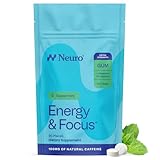
- Fast-Acting Nootropic - Our energy supplements deliver an extra boost of energy and clarity with a blend of natural caffeine, L-theanine, and vitamin b6 & b12. Your go-to chewing gum for work, exercise, and daily focus!
- Clean Energy - Each piece of our sugar free gum delivers 100mg of natural caffeine from green coffee beans for a smooth energy boost without crashes or jitters.
- The Perfect Balance - With 60mg of L-theanine per piece, our energy and focus formula promotes enhanced focus and stress reduction to smooth energy boosts.
- How to Use - Chew one piece of the caffeine gum whenever focus or energy is lacking. Ideal for mornings, pre-workout, or afternoon slumps. Effects typically kick in within minutes thanks to optimal absorption through the mouth.
- Made by Neuro, Backed by Science - At Neuro, we combine neuroscience with clean, science backed ingredients to help you do more, think better, and feel your best every single day.
What Affects How Coffee Impacts Period Cramps
- Your Individual Sensitivity: Some people are just more sensitive to caffeine’s effects. Genetics play a role.
- Amount of Coffee Consumed: One cup is different from five. Dosage matters.
- Timing of Consumption: Drinking coffee right before or during peak cramp time might be more noticeable.
- Hydration Levels: If you’re already dehydrated, caffeine’s diuretic effect can make it worse. Drink water!
- Your Diet: What else are you eating and drinking? Sugary snacks or processed foods can worsen inflammation.
- Stress Levels: High stress can amplify pain perception. Caffeine can sometimes exacerbate stress for some.
- Type of Coffee: Dark roasts might have slightly different compounds than light roasts. Also, additives like sugar and cream change the equation.
- Sleep Quality: Poor sleep makes everything harder, including dealing with pain. Caffeine can interfere with sleep.
- Overall Health and Inflammation: Underlying inflammatory conditions can make cramps worse, and caffeine might interact with this.
- Your Menstrual Cycle Phase: Hormone levels change daily. How you react to caffeine might vary.
- Medications: Certain medications can interact with caffeine or affect how your body processes pain.
- How You Brew: While not directly linked to cramps, a poorly brewed cup might taste bitter and make you feel worse overall. (Just a thought from my own kitchen.)
Pros, Cons, and When It Matters
- Pro: Energy Boost: Coffee can help combat fatigue, which is common during your period.
- Con: Potential for Increased Pain: For some, caffeine’s vasoconstrictive effects can worsen cramps.
- Pro: Ritual and Comfort: The routine can be a source of psychological well-being.
- Con: Digestive Issues: It can cause bloating or stomach upset, adding to discomfort.
- Pro: Antioxidants: Coffee contains beneficial antioxidants.
- Con: Dehydration Risk: If not balanced with water, it can contribute to dehydration.
- Pro: Social Connection: Meeting a friend for coffee is a mood booster.
- Con: Sleep Disruption: Consuming too late can interfere with much-needed rest.
- Pro: Focus and Alertness: Helps you get through demanding days.
- Con: Anxiety/Jitters: Can amplify feelings of unease for sensitive individuals.
- When it Matters: If your cramps are severe and you suspect coffee is a trigger, it definitely matters to pay attention.
- When it Doesn’t Matter: If you drink coffee and notice zero difference in your cramps, it’s likely not a major factor for you.
- When it Matters: If you’re relying on coffee to mask fatigue instead of addressing underlying sleep issues.
- When it Doesn’t Matter: If you’re drinking decaf – most of the effects come from caffeine.
Common Misconceptions About Coffee and Cramps
- Myth: Coffee always makes cramps worse. Not true. It depends heavily on the individual.
- Myth: Decaf coffee has no effect. While the caffeine is mostly removed, trace amounts remain, and other compounds can still have effects.
- Myth: You must cut out coffee completely. For many, moderation is key, not elimination.
- Myth: Coffee is the only dietary factor for cramps. Far from it. Sugar, salt, and processed foods play huge roles.
- Myth: Caffeine is inherently bad for your period. It’s a stimulant with potential side effects, not an outright toxin.
- Myth: If you don’t feel it, it’s not affecting you. Subtle physiological changes can happen without you noticing.
- Myth: Hot drinks don’t matter, only caffeine. Temperature can affect comfort, but caffeine is the primary chemical concern here.
- Myth: Everyone experiences the same effects from caffeine. Individual genetics and body chemistry vary wildly.
- Myth: Coffee directly causes uterine contractions. It influences hormones and blood flow, which can indirectly affect contractions.
FAQ
Q1: Should I stop drinking coffee when I have my period?
Not necessarily. If you notice coffee makes your cramps worse, try reducing your intake or switching to decaf. If you don’t notice a difference, enjoy your coffee.
Q2: How much coffee is too much during my period?
There’s no magic number. Pay attention to your body. If you feel jittery, anxious, or your cramps intensify, you’re likely having too much for your system.
Q3: Is decaf coffee a safe alternative?
Generally, yes. Decaf has very little caffeine, so it’s unlikely to cause the vasoconstriction or stimulation that might worsen cramps for some.
Q4: Can coffee help with period fatigue?
Yes, caffeine is a stimulant and can temporarily boost energy and alertness, helping you combat period-related tiredness.
Q5: What are better alternatives to coffee if it worsens my cramps?
Herbal teas like ginger or chamomile are great. Warm water with lemon or a hydrating electrolyte drink can also help.
For a soothing alternative that may help ease discomfort, explore herbal teas specifically formulated for cramps. Many find ginger or chamomile tea to be particularly beneficial.

- CALMING LAVENDER CHAMOMILE BLEND: Tiesta Tea's Lavender Chamomile Herbal Tea is created for a soothing experience. This chamomile tea features the gentle essence of lavender combined with chamomile, ideal for a peaceful moment in every cup.
- LOOSE LEAF TEA QUALITY: Experience the fullness of flavor with our loose leaf tea, crafted with carefully selected ingredients for a delightful taste. Without disposable tea bags, this blend highlights the richness of loose tea leaves, delivering a tea experience that's vibrant in both flavor and aroma.
- HERBAL TEA FOR RELAXATION: This Lavender Chamomile tea is designed to offer calm and comfort. The blend of chamomile with lavender makes it an ideal tea to help you relax. Perfect for a nighttime wind-down or an afternoon pause, it’s a great addition to any daily tea ritual.
- NATURAL AND AROMATIC: Enjoy the gentle, floral aroma of lavender chamomile tea, crafted without additives and ideal for those seeking a caffeine-free option. This herbal tea offers a pure, calming flavor that makes it perfect for unwinding at any time.
- SEASONAL FLAVORS: Tiesta Tea’s loose-leaf blends are crafted to enhance your tea experience throughout the colder months. These seasonal favorites deliver a variety of flavors that are easy to brew and enjoy. Whether for personal use or shared during holiday gatherings, Tiesta Tea includes options that match different preferences and occasions.
Q6: Does adding milk or sugar change coffee’s effect on cramps?
Adding sugar can cause blood sugar spikes and crashes, potentially affecting mood and energy. Dairy can be inflammatory for some. These additions can influence your overall experience.
Q7: Is there any research linking coffee and period cramps?
Yes, research explores caffeine’s effects on blood vessels and hormones like prostaglandins, which are implicated in cramp pain. However, results can vary.
Q8: What if I have severe period pain?
If your period pain is severe, debilitating, or interfering with your daily life, it’s crucial to see a doctor. Coffee is unlikely to be the sole cause or solution.
What This Page Does Not Cover (and Where to Go Next)
- Specific medical advice for severe dysmenorrhea. Consult a healthcare professional for diagnosis and treatment.
- Detailed breakdown of every type of herbal tea and their specific benefits for menstrual health. Explore different teas.
- In-depth analysis of other dietary factors like gluten, dairy, or specific vitamins and minerals. Look into menstrual nutrition.
- The science behind caffeine metabolism and genetic variations. Research pharmacogenomics if you’re curious.
- Specific brand recommendations for coffee makers or brewing methods. Check out brewing guides for home coffee enthusiasts.