
Does Coffee Actually Boost Your Brainpower?
Quick Answer: Can Coffee Make You Smarter?
- Coffee’s main active compound, caffeine, acts as a stimulant.
- It can temporarily boost alertness, focus, and reaction time.
- This isn’t “making you smarter” in a permanent way, but enhancing existing cognitive functions.
- The effect is dose-dependent; too much can backfire.
- Consistency and individual tolerance play a big role.
- Good sleep and a healthy diet are still your brain’s best friends.
If you’re looking for a controlled dose of caffeine without the coffee, consider exploring caffeine supplements. They can offer a similar boost to alertness and focus.
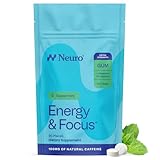
- Fast-Acting Nootropic - Our energy supplements deliver an extra boost of energy and clarity with a blend of natural caffeine, L-theanine, and vitamin b6 & b12. Your go-to chewing gum for work, exercise, and daily focus!
- Clean Energy - Each piece of our sugar free gum delivers 100mg of natural caffeine from green coffee beans for a smooth energy boost without crashes or jitters.
- The Perfect Balance - With 60mg of L-theanine per piece, our energy and focus formula promotes enhanced focus and stress reduction to smooth energy boosts.
- How to Use - Chew one piece of the caffeine gum whenever focus or energy is lacking. Ideal for mornings, pre-workout, or afternoon slumps. Effects typically kick in within minutes thanks to optimal absorption through the mouth.
- Made by Neuro, Backed by Science - At Neuro, we combine neuroscience with clean, science backed ingredients to help you do more, think better, and feel your best every single day.
Key Terms and Definitions
- Caffeine: The primary psychoactive compound in coffee. It’s a stimulant that affects the central nervous system.
- Adenosine: A neurotransmitter that promotes relaxation and sleepiness. Caffeine blocks its receptors.
- Dopamine: A neurotransmitter associated with pleasure, motivation, and reward. Caffeine can indirectly increase its availability.
- Cognitive Function: Refers to mental processes like thinking, learning, remembering, problem-solving, and decision-making.
- Stimulant: A substance that increases the activity of the central nervous system, leading to increased alertness and energy.
- Neurotransmitter: Chemical messengers that transmit signals from a neuron across a synapse to a target cell.
- Placebo Effect: A beneficial effect produced by a placebo drug or treatment, which cannot be attributed to the properties of the placebo itself, and must therefore be assumed to be the result of the patient’s belief in that treatment.
- Tolerance: The reduced response to a drug after prolonged use, requiring higher doses to achieve the same effect.
- Withdrawal: Physical or psychological symptoms that occur after stopping the use of a substance to which one has become dependent.
How Coffee Works Its Magic (Or Not)
- When you drink coffee, caffeine gets absorbed into your bloodstream.
- It travels to your brain.
- In the brain, caffeine molecules are shaped a lot like adenosine.
- Caffeine latches onto adenosine receptors, blocking adenosine from doing its job.
- Adenosine usually slows down nerve activity. By blocking it, caffeine speeds things up.
- This increased nerve activity can lead to the release of other neurotransmitters like dopamine and norepinephrine.
- Dopamine is linked to mood and focus. Norepinephrine is linked to alertness and attention.
- Think of it like a dimmer switch for your brain’s “slow down” signal. Caffeine turns it down.
- This whole process makes you feel more awake and potentially sharper.
What Affects Your Coffee Brain Boost
- Caffeine Content: Different beans and brewing methods yield varying caffeine levels. A dark roast might have less caffeine than a light roast, surprisingly.
- Your Genetics: Some people metabolize caffeine faster than others. You might be a “fast metabolizer” or a “slow metabolizer.”
- Amount Consumed: A little caffeine can be great. Too much can lead to jitters and anxiety, hurting focus.
- Tolerance Level: Regular coffee drinkers build up a tolerance. They might need more to feel the same effects.
- Hydration: Dehydration can mimic some symptoms of fatigue. Staying hydrated is key for optimal brain function, coffee or no coffee.
- Sleep Quality: If you’re sleep-deprived, coffee can only do so much. It’s a band-aid, not a cure for lack of sleep.
- Food Intake: Having coffee on an empty stomach can amplify its effects, sometimes unpleasantly.
- Time of Day: Drinking coffee too late can mess with your sleep schedule, creating a vicious cycle.
- Individual Sensitivity: Some folks are just more sensitive to caffeine’s effects than others.
- Brewing Method: Espresso, drip, pour-over – they all extract compounds differently, affecting the final caffeine and flavor profile.
- Freshness of Beans: Stale beans lose their aromatic compounds and can impact the overall experience, though caffeine is pretty stable.
- Additives: Sugar, cream, and syrups can impact your energy levels independently of the coffee itself.
Pros, Cons, and When It Matters
- Pro: Increased Alertness: Great for early mornings or long drives. Makes you feel more “on.”
- Con: Jitters and Anxiety: Too much caffeine can make you feel wired and uneasy. Not ideal for calm focus.
- Pro: Improved Focus: Can help you concentrate on tasks for a period. Good for studying or detailed work.
- Con: Sleep Disruption: Drinking coffee late can wreck your sleep quality. This is a big one for long-term brain health.
- Pro: Enhanced Reaction Time: Useful for activities requiring quick responses. Think driving or sports.
- Con: Dependency and Withdrawal: Regular use can lead to headaches and fatigue if you skip it.
- Pro: Mood Boost: The dopamine release can make you feel happier and more motivated.
- Con: Digestive Issues: Some people experience stomach upset or heartburn.
- Pro: Antioxidants: Coffee contains beneficial compounds that may protect cells.
- Con: Cost: Daily coffee habits can add up, especially if you’re buying fancy drinks.
- Pro: Social Ritual: The act of making and sharing coffee is a pleasant social activity.
- Con: Not a Substitute for Good Habits: It won’t replace the benefits of sleep, exercise, and a balanced diet.
Common Misconceptions About Coffee and Smarts
- Myth: Coffee makes you permanently smarter. Nope. It’s a temporary cognitive enhancer, not a brain upgrade.
- Myth: Dark roast coffee has more caffeine. Usually, light roasts have slightly more caffeine because the beans are less dense.
- Myth: You need coffee to be productive. Many people are productive without it. It’s a tool, not a requirement.
- Myth: Coffee is inherently bad for your brain. In moderation, for most people, it’s fine and can even have benefits.
- Myth: Cold brew is always less acidic and better for your stomach. While often smoother, the caffeine can be highly concentrated.
- Myth: More caffeine equals better focus. There’s a sweet spot. Too much causes jitters that kill focus.
- Myth: Coffee is a good substitute for sleep. It masks fatigue but doesn’t provide the restorative benefits of actual sleep.
- Myth: You can’t build a tolerance to coffee. You absolutely can. Your body adapts.
- Myth: Coffee will dehydrate you. While it has a mild diuretic effect, it’s usually not enough to cause significant dehydration when consumed in typical amounts.
- Myth: All coffee beans are the same. Nope. Origin, roast, and processing all make a difference.
FAQ
Q: Can coffee improve my memory?
A: Some studies suggest caffeine might offer a short-term boost to memory consolidation, particularly for new information. However, it’s not a magic bullet for long-term memory recall.
Q: How much coffee is too much for cognitive benefits?
A: For most adults, up to 400 milligrams of caffeine a day (about 4 cups of brewed coffee) is considered safe. Exceeding this can lead to negative effects that outweigh any benefits.
Q: Does coffee help with focus if I have ADHD?
A: Caffeine can sometimes help people with ADHD by improving alertness and focus, similar to how stimulant medications work, but it’s not a direct treatment and effects vary widely.
Q: Can I drink coffee right before a test to perform better?
A: It might help with alertness and quick thinking, but if you’re not used to it or drink too much, the jitters could actually hurt your performance. Know your own limits.
Q: Is decaf coffee good for brain function?
A: Decaf coffee still contains some antioxidants and can provide a ritualistic boost without the stimulant effects of caffeine. It won’t offer the same alertness enhancement.
Q: Will coffee help me learn faster?
A: While caffeine can increase alertness and attention, which are helpful for learning, it doesn’t directly speed up the learning process itself. Good study habits are still paramount.
Q: Can coffee make me more creative?
A: Some people find that the increased alertness and reduced inhibition from caffeine can spark creative ideas. However, this is highly subjective and not a guaranteed outcome.
Q: Is it okay to drink coffee while pregnant?
A: Pregnant individuals are generally advised to limit caffeine intake. It’s best to consult with a healthcare provider for personalized recommendations.
What This Page Does NOT Cover (And Where to Go Next)
- Specific recommended daily caffeine intake for different age groups or health conditions. (Consult a doctor or registered dietitian).
- Detailed scientific research papers on neurochemistry and caffeine. (Look for academic journals).
- Reviews of specific coffee brands or brewing equipment. (Check coffee enthusiast sites or product review platforms).
- The impact of coffee on specific medical conditions like anxiety disorders or heart disease. (Talk to your physician).
- Recipes for specialty coffee drinks. (Explore culinary websites or coffee blogs).