
Does Coffee Improve Focus And Concentration?
Quick Answer: Does Coffee Make You Focus?
- Yeah, for most people, coffee can definitely give your focus a boost.
- It’s the caffeine, that’s the main player.
- It blocks stuff in your brain that makes you feel tired.
- But too much can make you jittery and unfocused.
- Your personal reaction to caffeine matters a lot.
- It’s not a magic bullet, but a solid tool for many.
If you’re looking for a more controlled dose of caffeine without the coffee, consider exploring caffeine supplements. They offer a convenient way to get that focus boost.
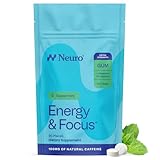
- Fast-Acting Nootropic - Our energy supplements deliver an extra boost of energy and clarity with a blend of natural caffeine, L-theanine, and vitamin b6 & b12. Your go-to chewing gum for work, exercise, and daily focus!
- Clean Energy - Each piece of our sugar free gum delivers 100mg of natural caffeine from green coffee beans for a smooth energy boost without crashes or jitters.
- The Perfect Balance - With 60mg of L-theanine per piece, our energy and focus formula promotes enhanced focus and stress reduction to smooth energy boosts.
- How to Use - Chew one piece of the caffeine gum whenever focus or energy is lacking. Ideal for mornings, pre-workout, or afternoon slumps. Effects typically kick in within minutes thanks to optimal absorption through the mouth.
- Made by Neuro, Backed by Science - At Neuro, we combine neuroscience with clean, science backed ingredients to help you do more, think better, and feel your best every single day.
Key Terms and Definitions
- Caffeine: The natural stimulant found in coffee beans. It’s what wakes you up.
- Adenosine: A neurotransmitter in your brain that promotes relaxation and sleepiness. Caffeine messes with this.
- Dopamine: A feel-good neurotransmitter. Caffeine can increase its levels, improving mood and focus.
- Central Nervous System (CNS): Your brain and spinal cord. Caffeine stimulates this.
- Alertness: The state of being aware and responsive to your surroundings. Coffee helps here.
- Cognitive Function: Mental processes like thinking, learning, and remembering. Coffee can tweak these.
- Stimulant: A substance that raises levels of physiological or nervous activity. Caffeine is one.
- Tolerance: When your body gets used to caffeine, so you need more for the same effect.
- Withdrawal: The unpleasant symptoms you get when you stop consuming caffeine after regular use. Headaches are a classic.
- Placebo Effect: When you feel a benefit just because you expect to, even if the substance itself isn’t the direct cause.
How It Works: Coffee’s Focus Mechanism
- When you drink coffee, caffeine gets absorbed into your bloodstream.
- From there, it travels to your brain.
- In your brain, caffeine’s molecular structure is similar to adenosine.
- Adenosine normally binds to receptors and signals your brain to slow down.
- Caffeine jumps in and blocks these adenosine receptors.
- This blocking action prevents adenosine from doing its job.
- As a result, your brain activity picks up.
- It also leads to the release of other neurotransmitters like dopamine and norepinephrine.
- These guys are linked to mood, attention, and wakefulness.
- So, you feel more alert and focused. Pretty neat.
What Affects Coffee’s Focus Impact
- Your Caffeine Sensitivity: Some folks are wired to feel caffeine more strongly than others. Genetics play a role.
- Dosage: How much caffeine are you actually drinking? A tiny sip won’t do much. A whole pot might be too much.
- Time of Day: Drinking coffee too late can mess with your sleep, which kills focus later.
- Your Sleep Quality: If you’re already sleep-deprived, coffee can help, but it’s not a replacement for rest.
- What Else You Ate: Having food in your stomach can slow caffeine absorption.
- Your Overall Health: Things like stress levels and hydration can influence how you react.
- Tolerance Buildup: If you drink coffee every day, the initial kick might fade.
- Type of Coffee Bean: Different beans have slightly different caffeine levels, though it’s usually minor.
- Brewing Method: How you brew can affect extraction, but the caffeine difference is often small.
- Added Sugars/Creamers: These don’t directly impact caffeine’s stimulant effect, but a sugar crash later can hurt focus.
- Your Current Task: Complex tasks might benefit more than simple, repetitive ones.
- Hydration: Being dehydrated can make you feel sluggish, and coffee can sometimes be a diuretic.
Pros, Cons, and When It Matters
- Pro: Increased Alertness. This is the big one. Great for early mornings or late-night projects.
- Con: Jitters and Anxiety. Too much caffeine can make you feel shaky and wired, which is the opposite of focused.
- Pro: Improved Reaction Time. For tasks requiring quick responses, coffee can help.
- Con: Sleep Disruption. If you’re sensitive or drink it too late, your sleep will suffer, leading to less focus tomorrow.
- Pro: Enhanced Mood. The dopamine boost can make you feel better and more motivated.
- Con: Dependence and Withdrawal. Skipping your usual cup can lead to headaches and fatigue.
- Pro: Better Performance on Certain Tasks. Studies show improvements in attention and vigilance.
- Con: Not a Substitute for Sleep. Coffee can mask fatigue, but it doesn’t fix the underlying problem.
- Pro: Accessibility. Coffee is everywhere and relatively cheap. Easy to get your hands on.
- Con: Digestive Issues. For some, coffee can cause stomach upset, which is distracting.
- Pro: Social Ritual. The act of making and drinking coffee can be a calming start to the day.
- Con: Can Exacerbate Existing Conditions. If you have anxiety disorders, caffeine might make them worse.
- Matters When: You need to push through a tough work session, drive long distances, or study for an exam.
- Matters Less When: You’re already well-rested, doing a task that doesn’t require intense focus, or prone to anxiety.
Common Misconceptions About Coffee and Focus
- Myth: Coffee makes everyone super-focused all the time.
- Reality: It depends heavily on the individual and the dose. Some people get anxious instead.
- Myth: Black coffee is always better for focus than coffee with cream and sugar.
- Reality: The additions don’t change caffeine’s stimulant effect, but a sugar crash can hurt focus later.
- Myth: You need a huge amount of caffeine to feel any effect.
- Reality: Even moderate amounts can have an impact, especially if you’re not a regular drinker.
- Myth: Coffee is a healthy way to combat chronic fatigue.
- Reality: It can help with temporary tiredness, but it’s not a long-term solution for underlying health issues or sleep debt.
- Myth: Decaf coffee has zero effect on focus.
- Reality: Decaf still has a small amount of caffeine, and the ritual itself can provide a psychological boost.
- Myth: Coffee stunts your growth. (Okay, maybe not focus, but a classic coffee myth!)
- Reality: This is an old wives’ tale. No scientific evidence supports it.
- Myth: You build tolerance to caffeine instantly.
- Reality: Tolerance develops over time with regular, consistent consumption.
- Myth: Coffee directly improves memory recall.
- Reality: It primarily improves attention and alertness, which can indirectly help with memory encoding.
FAQ: Does Coffee Make You Focus?
Q: How quickly does coffee start to affect my focus?
A: You’ll usually feel the effects within 15 to 45 minutes after drinking it. That’s when the caffeine hits your bloodstream and gets to your brain.
Q: Can I drink coffee if I’m trying to focus on a creative task?
A: For some, yes. The boost in alertness can help get ideas flowing. For others, it might make them too restless to settle into creative work. Experiment to see what works for you.
Q: Is there a “best” time of day to drink coffee for focus?
A: Generally, mid-morning is often cited. This is after your natural cortisol peak has subsided and before you hit that afternoon slump. Avoid it too close to bedtime.
Q: What happens if I drink too much coffee for focus?
A: You’ll likely experience jitters, anxiety, a racing heart, and difficulty concentrating. It can actually make you less productive.
Q: Does coffee help with concentration if I have ADHD?
A: Some people with ADHD find caffeine helps them focus, as it has a mild stimulant effect. However, it’s not a replacement for prescribed medication, and individual responses vary widely.
Q: Can I use coffee as a substitute for sleep to stay focused?
A: No. Coffee can help you feel more alert temporarily, but it doesn’t eliminate the need for sleep. Chronic sleep deprivation will eventually impair your focus, no matter how much coffee you drink.
Q: Will drinking coffee make me smarter?
A: Coffee doesn’t increase your underlying intelligence. It enhances your ability to pay attention and process information more quickly in the short term.
Q: Is there a limit to how much coffee I should drink for focus?
A: For most healthy adults, up to 400 milligrams of caffeine a day (about 4 cups of brewed coffee) is generally considered safe. Exceeding this can lead to negative effects.
What This Page Does NOT Cover (And Where to Go Next)
- Specific caffeine content in every single coffee drink. (Check the barista or packaging.)
- Detailed scientific studies on caffeine’s neurochemical pathways. (Look for academic journals.)
- Recommendations for specific coffee brands or brewing equipment. (That’s a whole other rabbit hole!)
- Medical advice for caffeine sensitivity or withdrawal symptoms. (Talk to your doctor.)
- The long-term health effects of regular coffee consumption. (Consult health professionals or reputable health organizations.)