
Does Coffee Enhance Brain Function and Intelligence?
Quick Answer
- Caffeine, the primary stimulant in coffee, can temporarily boost alertness, focus, and reaction time.
- Studies suggest coffee consumption may be linked to a reduced risk of cognitive decline and certain neurological diseases.
- The impact on “intelligence” is complex and not a direct causal link; coffee enhances existing cognitive abilities.
- Individual responses to caffeine vary significantly due to genetics and tolerance.
- While coffee can sharpen focus, it doesn’t fundamentally increase innate intelligence or learning capacity.
- Long-term effects on cognitive function are still an area of active research, with some studies showing positive associations.
Key Terms and Definitions
- Caffeine: A natural stimulant found in coffee beans, tea leaves, and cocoa beans that affects the central nervous system.
- Cognitive Function: Refers to a range of mental processes, including memory, attention, problem-solving, decision-making, and language.
- Alertness: The state of being aware of and responsive to one’s surroundings.
- Focus: The ability to concentrate one’s attention or efforts on a particular task or subject.
- Reaction Time: The amount of time it takes to respond to a stimulus.
- Neurotransmitter: Chemical messengers in the brain that transmit signals between nerve cells. Adenosine is a key neurotransmitter affected by caffeine.
- Placebo Effect: A beneficial effect produced by a placebo drug or treatment, which cannot be attributed to the properties of the placebo itself, and must therefore be due to the patient’s belief in that treatment.
- Neurodegenerative Disease: A condition characterized by the progressive loss of structure or function of neurons, including conditions like Alzheimer’s and Parkinson’s.
- Antioxidants: Compounds that inhibit oxidation, a chemical reaction that can produce free radicals, potentially causing damage to cells. Coffee is a significant source of antioxidants.
- Tolerance: The diminished response to a drug, chemical, or stimulus after repeated exposure.
How Coffee Enhances Brain Function
- Caffeine Blocks Adenosine: Adenosine is a neurotransmitter that slows down nerve activity and promotes relaxation and sleepiness. Caffeine’s molecular structure is similar to adenosine, allowing it to bind to adenosine receptors in the brain.
- Stimulating the Central Nervous System: By blocking adenosine, caffeine increases the activity of other neurotransmitters like dopamine and norepinephrine.
- Increased Dopamine Levels: Dopamine is associated with pleasure, motivation, and attention. Higher dopamine levels can improve mood and focus.
- Enhanced Norepinephrine Release: Norepinephrine is a stress hormone and neurotransmitter that increases alertness, arousal, and attention.
- Improved Blood Flow (Initially): In moderate amounts, caffeine can lead to a temporary increase in blood flow to the brain, which can support cognitive processes.
- Sharpened Sensory Perception: The stimulant effect can make sensory input seem more vivid, potentially enhancing focus on tasks.
- Reduced Perceived Fatigue: Caffeine can mask feelings of tiredness, allowing individuals to sustain mental effort for longer periods.
- Activation of Brain Regions: Studies using brain imaging suggest caffeine can increase activity in areas associated with attention and working memory.
If you’re looking for a consistent way to get a caffeine boost without the coffee ritual, consider caffeine supplements. They offer a straightforward way to enhance alertness and focus.
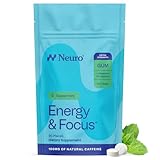
- Fast-Acting Nootropic - Our energy supplements deliver an extra boost of energy and clarity with a blend of natural caffeine, L-theanine, and vitamin b6 & b12. Your go-to chewing gum for work, exercise, and daily focus!
- Clean Energy - Each piece of our sugar free gum delivers 100mg of natural caffeine from green coffee beans for a smooth energy boost without crashes or jitters.
- The Perfect Balance - With 60mg of L-theanine per piece, our energy and focus formula promotes enhanced focus and stress reduction to smooth energy boosts.
- How to Use - Chew one piece of the caffeine gum whenever focus or energy is lacking. Ideal for mornings, pre-workout, or afternoon slumps. Effects typically kick in within minutes thanks to optimal absorption through the mouth.
- Made by Neuro, Backed by Science - At Neuro, we combine neuroscience with clean, science backed ingredients to help you do more, think better, and feel your best every single day.
What Affects Coffee’s Impact on Brain Function
- Caffeine Dosage: The amount of caffeine consumed directly influences the intensity of its effects. A standard cup of coffee can contain anywhere from 80-150 mg of caffeine.
- Individual Genetics: Variations in genes, particularly those related to caffeine metabolism (like CYP1A2) and adenosine receptor sensitivity, determine how quickly you process caffeine and how strongly you feel its effects.
- Tolerance Levels: Regular coffee drinkers develop a tolerance, meaning they need more caffeine to achieve the same level of stimulation.
- Time of Consumption: Consuming coffee when you are already well-rested may have less noticeable effects than when you are fatigued.
- Hydration Status: Dehydration can negatively impact cognitive function, and while coffee has a mild diuretic effect, its stimulant properties often outweigh this for most users.
- Diet and Other Stimulants: What you eat or drink alongside coffee, or other stimulants you consume, can modulate its effects.
- Quality of Coffee Beans: While less direct on brain function, the freshness and roast level can impact the overall flavor and aroma, which can indirectly influence mood and perceived alertness.
- Brewing Method: Different brewing methods extract varying amounts of caffeine and other compounds, potentially altering the experience.
- Mental State: Your current mood, stress level, and overall mental fatigue can influence how your brain responds to coffee.
- Sleep Quality: Poor sleep can significantly impair cognitive function, and coffee may only offer a temporary workaround rather than a solution.
Pros, Cons, and When It Matters
- Pro: Temporary Boost in Alertness: Coffee is excellent for those needing to stay awake and attentive for specific tasks, like long drives or late-night study sessions.
- Con: Jitters and Anxiety: Too much caffeine can lead to nervousness, restlessness, and increased anxiety, hindering focus rather than helping it.
- Pro: Improved Focus and Concentration: For many, a moderate amount of coffee can sharpen attention, making it easier to concentrate on demanding work or study.
- Con: Sleep Disruption: Consuming coffee too close to bedtime can significantly interfere with sleep quality, leading to a cycle of fatigue and reliance on stimulants.
- Pro: Potential for Neuroprotection: Some research suggests regular, moderate coffee consumption may be associated with a lower risk of developing neurodegenerative diseases like Parkinson’s and Alzheimer’s.
- Con: Dependency and Withdrawal: Daily coffee drinkers can experience withdrawal symptoms like headaches, fatigue, and irritability if they stop consuming it.
- Pro: Enhanced Mood: The release of dopamine can contribute to a temporary uplift in mood and feelings of well-being.
- Con: Digestive Issues: For some individuals, coffee can cause stomach upset or heartburn.
- Pro: Sharpened Reaction Time: This is beneficial for activities requiring quick responses, such as certain sports or driving.
- Con: Can Mask Underlying Fatigue: Relying on coffee to push through exhaustion can lead to burnout and neglect of genuine rest needs.
- Pro: Antioxidant Benefits: Coffee is rich in antioxidants, which may contribute to overall health and potentially protect brain cells from damage over time.
- Con: Individual Sensitivity: Not everyone tolerates caffeine well; some experience negative side effects even with small amounts.
Common Misconceptions
- Myth: Coffee Makes You “Smarter” Instantly: Coffee enhances existing cognitive abilities like focus and alertness, but it does not increase your baseline intelligence or learning capacity.
- Myth: All Coffee Has the Same Amount of Caffeine: Caffeine content varies significantly by bean type, roast level, grind size, brewing method, and serving size.
- Myth: Black Coffee is Bad for Your Brain: Black coffee is generally considered healthy and offers the benefits of caffeine and antioxidants without added sugars or fats that could negate positive effects.
- Myth: Coffee is Purely Dehydrating: While caffeine has a mild diuretic effect, the water content in coffee typically offsets this for most moderate consumers.
- Myth: Coffee “Burns Fat” for Weight Loss: Caffeine can slightly boost metabolism and aid in fat mobilization, but its effect on weight loss is minimal and not a substitute for diet and exercise.
- Myth: You’ll Never Build Tolerance to Coffee: Most regular coffee drinkers develop a tolerance to caffeine’s stimulant effects over time.
- Myth: Cold Brew Coffee Has Less Caffeine: Cold brew coffee, due to its higher coffee-to-water ratio and longer brewing time, often contains significantly more caffeine than regular drip coffee.
- Myth: Coffee Ruins Your Memory: Moderate coffee consumption is not proven to impair memory; some studies even suggest potential benefits for memory recall due to improved focus.
- Myth: Decaf Coffee Has No Caffeine: Decaffeinated coffee still contains trace amounts of caffeine, though significantly less than regular coffee.
FAQ
Q: Can coffee really make me smarter?
A: Coffee, primarily through caffeine, can temporarily enhance cognitive functions like focus, alertness, and reaction time. It doesn’t increase your inherent intelligence or learning ability, but it can help you perform at your cognitive best for a period.
Q: How much coffee is too much for my brain?
A: For most healthy adults, up to 400 milligrams of caffeine per day (about 4 cups of brewed coffee) is generally considered safe. Exceeding this can lead to negative effects like anxiety, jitters, and disrupted sleep, which can impair cognitive function.
Q: Does coffee help with memory?
A: Some research suggests that caffeine can improve certain aspects of memory, particularly short-term memory and consolidation, likely by increasing alertness and focus during learning. However, this effect is temporary and dependent on dosage and individual factors.
Q: Is there a link between coffee and preventing cognitive decline?
A: Several studies suggest a correlation between regular, moderate coffee consumption and a reduced risk of developing age-related cognitive decline and neurodegenerative diseases like Alzheimer’s and Parkinson’s. The antioxidants and anti-inflammatory properties in coffee are thought to play a role.
Q: What happens if I drink coffee when I’m already tired?
A: Drinking coffee when tired can temporarily mask fatigue and boost alertness by blocking adenosine. However, it doesn’t address the underlying need for sleep and can lead to a crash later, potentially exacerbating fatigue.
Q: Does coffee affect everyone’s brain function the same way?
A: No, individual responses to coffee vary greatly. Genetics plays a significant role in how quickly your body metabolizes caffeine and how sensitive your brain is to its effects. Tolerance also develops with regular consumption.
Q: Can coffee improve my creativity?
A: While coffee can enhance focus and alertness, which are helpful for creative tasks, it doesn’t directly boost creativity itself. Creativity often involves divergent thinking and making novel connections, which may or may not be facilitated by caffeine’s stimulant effects.
Q: Is it better to drink coffee in the morning or afternoon for brain function?
A: For most people, morning is ideal to leverage the alertness boost for the day’s tasks. Drinking coffee in the afternoon or evening can interfere with sleep, which is crucial for cognitive function and memory consolidation.
What This Page Does NOT Cover (and Where to Go Next)
- Specific Health Claims: This page discusses general cognitive effects; consult a healthcare professional for personalized health advice regarding coffee consumption.
- Detailed Nutritional Breakdown of Coffee: Information on the specific vitamins, minerals, and antioxidant profiles beyond their general impact.
- Brewing Techniques for Optimal Caffeine Extraction: Specific ratios, temperatures, and grind sizes for maximizing caffeine yield.
- The Role of Coffee in Specific Medical Conditions: This article does not delve into how coffee interacts with particular diseases or medications.
- The Science of Addiction and Dependence on Caffeine: A deeper exploration of the neurochemical processes behind caffeine dependency.