
Can Coffee Cause Tremors? Exploring The Link
Quick answer
- Coffee’s caffeine is a stimulant. It can increase alertness, but also jitters for some.
- How much coffee you drink is a big factor.
- Your personal sensitivity to caffeine plays a huge role.
- Other factors like sleep and stress can make you more prone to shaking.
- If you’re worried, cut back or switch to decaf.
- Serious tremors usually have other causes.
Key terms and definitions
- Caffeine: The natural stimulant found in coffee beans. It’s what gives you that boost.
- Stimulant: A substance that increases the activity of the central nervous system. Think of it as revving an engine.
- Tremor: An involuntary, rhythmic shaking. It can affect hands, arms, or other body parts.
- Adenosine: A brain chemical that promotes relaxation and sleepiness. Caffeine blocks this.
- Adrenaline: Also known as epinephrine. A hormone that increases heart rate and alertness. Caffeine can boost this.
- Central Nervous System (CNS): Your brain and spinal cord. It controls everything you do.
- Sensitivity: How strongly your body reacts to a substance like caffeine. Some folks are just more wired.
- Jitters: A feeling of nervousness, restlessness, or slight shaking. Often associated with too much caffeine.
- Decaffeination: The process of removing most of the caffeine from coffee beans. Still has a little bit.
- Withdrawal: Symptoms experienced when you stop consuming a substance you’re used to, like caffeine. Headaches are common.
How it works
- Caffeine enters your bloodstream after you drink coffee.
- It travels to your brain and blocks adenosine receptors. Adenosine usually makes you feel calm.
- By blocking adenosine, caffeine makes you feel more awake and alert.
- It can also trigger the release of adrenaline. This is your body’s “fight or flight” hormone.
- Adrenaline increases your heart rate and blood flow. It also primes your muscles.
- For some, this heightened state can lead to noticeable physical effects, like shaking.
- It’s like turning the volume up on your nervous system.
- The intensity of the effect depends on how much caffeine you consume.
- And, crucially, how your body processes it.
If you’re looking for a controlled way to consume caffeine, you might consider caffeine supplements, which offer precise dosing.
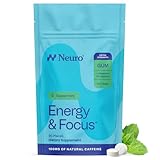
- Fast-Acting Nootropic - Our energy supplements deliver an extra boost of energy and clarity with a blend of natural caffeine, L-theanine, and vitamin b6 & b12. Your go-to chewing gum for work, exercise, and daily focus!
- Clean Energy - Each piece of our sugar free gum delivers 100mg of natural caffeine from green coffee beans for a smooth energy boost without crashes or jitters.
- The Perfect Balance - With 60mg of L-theanine per piece, our energy and focus formula promotes enhanced focus and stress reduction to smooth energy boosts.
- How to Use - Chew one piece of the caffeine gum whenever focus or energy is lacking. Ideal for mornings, pre-workout, or afternoon slumps. Effects typically kick in within minutes thanks to optimal absorption through the mouth.
- Made by Neuro, Backed by Science - At Neuro, we combine neuroscience with clean, science backed ingredients to help you do more, think better, and feel your best every single day.
What affects the result
- Caffeine Dose: The more you drink, the more likely you are to feel effects. Simple math.
- Individual Sensitivity: Some people are genetically wired to process caffeine slower. They’ll feel it more.
- Tolerance: Regular coffee drinkers often develop a tolerance. They can handle more without the shakes.
- Body Weight: Generally, a larger person might need more caffeine to feel the same effect as a smaller person.
- Other Stimulants: Mixing coffee with energy drinks or certain medications can amplify effects. Don’t do that.
- Sleep Deprivation: Being tired makes you more susceptible to caffeine’s stimulating effects. You’re already running on fumes.
- Stress and Anxiety: If you’re already stressed, caffeine can push you over the edge into jitters.
- Medications: Certain drugs can interact with caffeine, affecting how your body handles it. Check with your doc.
- Metabolism: How quickly your liver breaks down caffeine matters. This varies a lot.
- Hydration: Staying hydrated can help your body process things more efficiently. Drink water, folks.
- Food Intake: Having food in your stomach can slow caffeine absorption. Coffee on an empty stomach hits harder.
- Genetics: Yep, your DNA plays a part in how you react.
Pros, cons, and when it matters
- Pro: Increased Alertness: Coffee helps you wake up and focus. Great for early mornings.
- Con: Jitters and Shaking: Too much can make you feel unsteady. Not ideal for delicate tasks.
- Pro: Improved Mood: Caffeine can give you a temporary mood lift. Who doesn’t like that?
- Con: Anxiety and Nervousness: For some, it can trigger or worsen anxious feelings.
- Pro: Enhanced Physical Performance: Can help with workouts. A little boost before hitting the gym.
- Con: Sleep Disruption: Drinking coffee too late can mess with your sleep cycle. Bad news bears.
- Pro: Antioxidants: Coffee has beneficial compounds. A little health bonus.
- Con: Digestive Issues: Can cause heartburn or upset stomach in sensitive individuals.
- Pro: Social Ritual: Grabbing coffee with friends is a classic. Good times.
- Con: Dependence: You can become reliant on it to function. The morning struggle is real.
- Matters for: Tasks requiring fine motor skills: Surgeons, artists, or anyone needing steady hands should be mindful.
- Matters for: Individuals with anxiety disorders: Caffeine can be a trigger. Proceed with caution.
- Matters for: Pregnant or breastfeeding individuals: Caffeine intake is often limited. Check guidelines.
- Matters for: People sensitive to stimulants: If you’re easily affected, less is more.
Common misconceptions
- Myth: Coffee always causes tremors. Nope. It’s about dose and individual response.
- Myth: Only strong coffee makes you shake. Nope. Even a little can do it if you’re sensitive.
- Myth: Decaf coffee has zero caffeine. False. It has a small amount. Usually not enough to cause shakes, though.
- Myth: Shaking from coffee is dangerous. Usually, it’s just temporary jitters. Serious shaking needs a doctor.
- Myth: You need to drink a lot to feel it. Not always. Some people are super sensitive.
- Myth: Caffeine is addictive like hard drugs. Not in the same way. Withdrawal is real, but it’s not a craving for oblivion.
- Myth: Coffee dehydrates you. Not significantly for moderate consumption. The water in it helps.
- Myth: Tolerance means you’re immune to side effects. Not quite. You might need more for the boost, but jitters can still happen.
- Myth: All tremors are a sign of a serious problem. Many are benign. Coffee jitters are a common, mild example.
- Myth: Adding sugar or cream cancels out caffeine. Nope. Those just add calories.
FAQ
Q: Can coffee make my hands shake?
A: Yes, for some people, especially if they drink a lot or are very sensitive to caffeine. It’s a common side effect of too much stimulant.
Q: How much coffee is too much for me?
A: This varies wildly. Start with one cup and see how you feel. Listen to your body.
Q: What if I get the jitters after just one cup?
A: You might be very sensitive. Try switching to decaf or cutting back to half a cup.
Q: Will decaf coffee make me shake?
A: It’s highly unlikely. Decaf has very little caffeine, usually not enough to cause jitters.
Q: Is it normal to feel shaky after coffee sometimes, but not others?
A: Totally. Factors like how much sleep you got or if you’re stressed can change your sensitivity on any given day.
Q: Should I stop drinking coffee if it makes me shake?
A: If the shaking bothers you, yes. You can try reducing your intake or switching to decaf to see if that helps.
Q: Can coffee cause shaking in older adults?
A: Older adults can be more sensitive to caffeine. They might experience jitters more easily than younger folks.
Q: What’s the difference between coffee jitters and a real tremor?
A: Coffee jitters are usually temporary and linked to caffeine intake. A real tremor might be constant or have other triggers and usually requires medical attention.
Q: Can I drink coffee and still avoid shaking?
A: For most people, yes. Moderation is key. Stick to a sensible amount and pay attention to your body’s signals.
What this page does NOT cover (and where to go next)
- Specific medical advice for diagnosed tremor disorders. Consult a healthcare professional for persistent or concerning shaking.
- Detailed comparisons of different coffee brewing methods. Explore brewing guides for various techniques.
- The exact chemical breakdown of caffeine and its effects on the brain. Dive into neuroscience resources for that.
- Nutritional information for coffee and its additives. Check out nutrition databases for specifics.
- Legal or regulatory information regarding caffeine content in beverages. Look into food safety agencies.