
Coffee Enemas and Jitters: What to Expect
Quick answer
- Coffee enemas involve introducing brewed coffee into the colon, bypassing the digestive tract.
- The primary reason for potential jitters is the rapid absorption of caffeine.
- The amount of caffeine absorbed can vary significantly based on coffee strength and retention time.
- Some individuals are more sensitive to caffeine and may experience jitters even with small amounts.
- Other factors like stress or pre-existing conditions can also contribute to feeling jittery.
- If you experience severe or prolonged jitters, it’s advisable to discontinue the practice and consult a healthcare professional.
Key terms and definitions
- Coffee Enema: A procedure where brewed coffee is introduced into the colon via the rectum.
- Caffeine: A stimulant found naturally in coffee beans, known for its effects on the central nervous system.
- Absorption: The process by which substances pass from one area into another, in this case, from the colon into the bloodstream.
- Jitters: A feeling of nervousness, restlessness, or trembling, often associated with stimulant intake.
- Colon: The large intestine, the final section of the digestive system.
- Rectum: The final section of the large intestine, terminating at the anus.
- Bypass: To go around or avoid something; in this context, bypassing the digestive system’s normal absorption points.
- Stimulant: A substance that increases physiological or nervous activity.
- Retention Time: The duration the coffee is held within the colon during an enema.
- Sensitivity: An individual’s level of responsiveness to a particular substance.
How it works
- Brewed coffee, typically a dark roast, is prepared and cooled to a safe temperature.
- This coffee solution is then administered into the colon using an enema kit.
- The liquid is held within the colon for a specified period, often 10-20 minutes.
- During this retention time, the colon’s lining may absorb components from the coffee.
- These absorbed components can include caffeine and other compounds.
- Caffeine, a known stimulant, enters the bloodstream rapidly through this route.
- Unlike oral consumption, where caffeine is processed through the digestive system, enema absorption is more direct.
- The body’s response to this sudden influx of caffeine can lead to stimulant effects.
- These effects are what many people describe as feeling jittery or experiencing other stimulant-related symptoms.
- The process aims to stimulate bile flow and liver detoxification, according to proponents.
What affects the result
- Coffee Strength: A stronger brew contains more caffeine, increasing the potential for absorption and jitters.
- Type of Coffee Bean: Different beans have varying caffeine levels. Arabica generally has less caffeine than Robusta.
- Roast Level: Darker roasts can sometimes have slightly less caffeine than lighter roasts by weight, but this can vary.
- Retention Time: Holding the coffee in the colon for longer periods allows for greater absorption of caffeine.
- Individual Sensitivity to Caffeine: Some people are genetically predisposed to metabolize caffeine slower, making them more susceptible to its effects.
- Volume of Coffee Used: A larger volume of coffee solution means more caffeine is introduced, potentially leading to more absorption.
- Colon Health and Integrity: The condition of the colon lining might influence the rate and extent of absorption.
- Hydration Levels: Dehydration could potentially concentrate absorbed substances, though this is speculative.
- Concurrent Stimulant Intake: Consuming other stimulants like energy drinks or certain medications alongside or shortly after an enema could amplify jitters.
- Pre-existing Health Conditions: Conditions like anxiety disorders or heart issues can make individuals more prone to feeling jittery from any stimulant.
- Purity of Coffee: Using organic coffee without additives can ensure you are only absorbing intended components.
- Temperature of the Coffee: While not directly affecting jitters, an incorrect temperature can cause discomfort, potentially adding to a feeling of unease.
When considering a coffee enema, opting for organic coffee without additives is crucial to ensure you’re only absorbing the intended components. We recommend this high-quality organic coffee for your enema preparations.
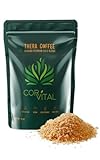
- SMELLS & LOOKS GREAT - Our green coffee enema is 100% non-carcinogenic, no fungus and no mold, making it the safest and cleanest choice compared to other coffee enemas out there.
- VERY FAST RESULTS - Get fast results with the Cor-Vital coffee detox cleanse that gets to work straight away to increase its detoxification of the blood and decrease the toxic load on the liver. Add to cart.
- DEEP HEALING & NOTICEABLE EFFECTS - Our therapy roast coffee enema organic is the best way to take control of your health and will help you to have a better mood and better sleep.
- NEW LEASE ON LIFE - The Cor-Vital organic enema coffee increases your energy levels and gets rid of bad toxins in your body, Unlike other coffee enemas you will not feel bloated and has no side effects.
- SUPER EFFECTIVE & RECOMMENDED BY GERSON - Our coffee enema organic gerson is 100% USDA certified organic to ensure no toxic chemical pesticides or fertilizers have been used. Get yours now.
Pros, cons, and when it matters
- Pro: Potential for Rapid Caffeine Delivery: For those seeking quick stimulant effects, this method offers a direct route.
- Con: Risk of Jitters and Anxiety: The rapid absorption of caffeine is a primary concern, leading to unwanted nervousness and restlessness.
- Pro: Bypass of Digestive System: Proponents suggest this bypass allows for different therapeutic effects than oral coffee consumption.
- Con: Electrolyte Imbalance: Frequent or improper enema use can potentially disrupt electrolyte balance, though not directly related to jitters.
- Pro: May Stimulate Bile Flow: Some believe coffee enemas can encourage the liver to produce more bile, aiding detoxification.
- Con: Risk of Burns or Discomfort: If the coffee is too hot, it can cause burns. If too cold, it can cause cramping.
- Pro: May Offer a Sense of Cleanliness: Some users report a feeling of internal cleansing.
- Con: Potential for Infection: Introducing any foreign substance into the body carries a small risk of infection if not performed hygienically.
- When it matters: If you are highly sensitive to caffeine, even a small amount absorbed via enema can cause significant jitters.
- When it matters: Individuals with pre-existing heart conditions or anxiety disorders should be particularly cautious.
- When it matters: For those seeking a quick energy boost, the potential for jitters might outweigh the benefits.
- When it matters: If the goal is liver detoxification, the mechanism by which coffee enemas achieve this is not well-established in mainstream medicine.
Common misconceptions
- Misconception: Coffee enemas are a proven medical treatment for serious diseases. Mainstream medical science does not recognize coffee enemas as a treatment for diseases like cancer.
- Misconception: All caffeine from coffee enemas is absorbed. The amount absorbed varies greatly and is not 100%.
- Misconception: Jitters are the only side effect. Other potential side effects include cramping, nausea, and electrolyte imbalances.
- Misconception: Coffee enemas are always safe. Like any procedure, they carry risks if not performed correctly or if underlying health issues are present.
- Misconception: The caffeine is the only active ingredient. Coffee contains hundreds of compounds, some of which may also be absorbed.
- Misconception: You will feel jittery every time. The intensity of jitters depends on many factors, including the ones listed previously.
- Misconception: Coffee enemas are a substitute for a healthy diet. They are not a replacement for balanced nutrition and a healthy lifestyle.
- Misconception: All coffee is the same for enemas. The strength, type, and preparation of coffee significantly impact the outcome.
- Misconception: Coffee enemas are a quick way to lose weight. There is no scientific evidence to support this claim.
- Misconception: Jitters mean the enema is working effectively. Jitters are a sign of a physiological response to caffeine, not necessarily therapeutic efficacy.
FAQ
Q: Why do coffee enemas cause jitters?
A: Jitters are primarily caused by the rapid absorption of caffeine into the bloodstream through the colon. Caffeine is a stimulant that affects the central nervous system, leading to feelings of restlessness and nervousness.
Q: How much caffeine is absorbed during a coffee enema?
A: The amount of caffeine absorbed can vary significantly. Factors include the strength of the coffee, how long it’s retained, and individual physiology. It’s difficult to give an exact figure, but it can be substantial enough to cause stimulant effects.
Q: Can I avoid getting jittery from a coffee enema?
A: Some people may be able to minimize jitters by using weaker coffee, reducing retention time, or ensuring they are not sensitive to caffeine. However, for some individuals, even small amounts can trigger a response.
Q: Are coffee enemas safe for everyone?
A: No, coffee enemas are not safe for everyone. Individuals with certain medical conditions, such as heart problems, high blood pressure, or anxiety disorders, should avoid them. Always consult a healthcare professional before trying.
Q: What should I do if I feel very jittery after a coffee enema?
A: If you experience severe or prolonged jitters, it’s important to try and relax, drink plenty of water, and potentially discontinue the practice. If symptoms are severe or persistent, seek medical advice.
Q: Is it normal to feel nauseous or crampy?
A: Yes, some people experience nausea or cramping during or after a coffee enema. This can be due to the volume of fluid, the temperature, or the body’s reaction to the procedure.
Q: How does caffeine from an enema compare to drinking coffee?
A: When drinking coffee, caffeine is processed through the digestive system, which can slow its absorption and metabolism. With an enema, absorption into the bloodstream is more direct and can be faster, potentially leading to more pronounced stimulant effects like jitters.
Q: Can I use any type of coffee for an enema?
A: While proponents often recommend specific types (e.g., organic, dark roast), the key is the caffeine content and preparation. However, avoid coffees with added flavorings or sweeteners, as these could be absorbed.
What this page does NOT cover (and where to go next)
- Detailed medical claims and purported benefits of coffee enemas. For information on health benefits and risks, consult medical literature or a qualified healthcare provider.
- Specific instructions or protocols for performing coffee enemas. If you are considering this practice, seek guidance from reliable sources or practitioners knowledgeable in the field, and always prioritize safety.
- Comparisons to other types of enemas or colon cleansing methods. Information on alternative practices can be found in specialized health and wellness resources.
- The full spectrum of potential side effects beyond jitters. A comprehensive understanding of risks requires consulting medical resources.