
Can Coffee Improve Your Physical Speed?
Quick answer
- Caffeine, the primary stimulant in coffee, can temporarily enhance physical performance, including speed.
- It works by blocking adenosine, a neurotransmitter that signals fatigue.
- This can lead to increased adrenaline and improved muscle activation.
- The effects are most noticeable in endurance activities but can also benefit shorter bursts of speed.
- Factors like individual tolerance, dosage, and timing significantly influence how much faster you might feel.
- It’s not a magic bullet but a potential tool for athletes and casual exercisers looking for a slight edge.
Key terms and definitions
- Caffeine: A naturally occurring stimulant found in coffee beans, tea leaves, and cocoa beans, known for its effects on the central nervous system.
- Adenosine: A neurotransmitter that promotes relaxation and sleepiness. Caffeine blocks its receptors, reducing feelings of fatigue.
- Adrenaline (Epinephrine): A hormone released by the adrenal glands in response to stress or excitement. It can increase heart rate and blood flow to muscles.
- Central Nervous System (CNS): The brain and spinal cord. Caffeine stimulates the CNS, leading to increased alertness and reduced perception of effort.
- Aerobic Exercise: Physical activity that increases heart rate and breathing for a sustained period, such as running or swimming.
- Anaerobic Exercise: Short, intense bursts of physical activity, like sprinting or weightlifting, where the body’s demand for oxygen exceeds the supply.
- Perception of Effort (RPE): How hard an individual feels they are working during exercise. Caffeine can lower RPE, making exercise feel easier.
- Muscle Glycogen: The primary source of fuel for muscles during moderate to high-intensity exercise. Caffeine may help spare muscle glycogen.
- Endurance: The ability to sustain prolonged physical or mental effort.
- Sprint: A short, fast run.
How it works
- Coffee contains caffeine, a well-known stimulant that affects the brain and body.
- Caffeine’s primary mechanism involves blocking adenosine receptors in the brain.
- Adenosine is a chemical that builds up throughout the day, signaling tiredness and slowing down nerve activity.
- By blocking adenosine, caffeine prevents these “tiredness signals” from reaching the brain.
- This leads to increased alertness and a reduced perception of fatigue.
- Caffeine also stimulates the release of adrenaline, also known as epinephrine.
- Adrenaline prepares the body for physical exertion by increasing heart rate, blood pressure, and blood flow to muscles.
- It can also enhance the breakdown of fat stores for energy, potentially sparing muscle glycogen.
- For physical speed, this means muscles may be activated more effectively and fatigue may be delayed.
- The overall effect is a feeling of increased energy and a reduced sense of how hard you are working.
For those looking for a more controlled and convenient way to get their caffeine fix, caffeine supplements are a great option. They offer a precise dosage without the flavor or fluid of coffee.
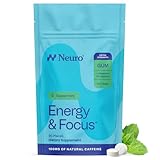
- Fast-Acting Nootropic - Our energy supplements deliver an extra boost of energy and clarity with a blend of natural caffeine, L-theanine, and vitamin b6 & b12. Your go-to chewing gum for work, exercise, and daily focus!
- Clean Energy - Each piece of our sugar free gum delivers 100mg of natural caffeine from green coffee beans for a smooth energy boost without crashes or jitters.
- The Perfect Balance - With 60mg of L-theanine per piece, our energy and focus formula promotes enhanced focus and stress reduction to smooth energy boosts.
- How to Use - Chew one piece of the caffeine gum whenever focus or energy is lacking. Ideal for mornings, pre-workout, or afternoon slumps. Effects typically kick in within minutes thanks to optimal absorption through the mouth.
- Made by Neuro, Backed by Science - At Neuro, we combine neuroscience with clean, science backed ingredients to help you do more, think better, and feel your best every single day.
What affects the result
- Caffeine Dosage: The amount of caffeine consumed directly impacts its effectiveness. Too little may have no noticeable effect, while too much can lead to jitters or negative side effects.
- Individual Tolerance: Regular coffee drinkers develop a tolerance to caffeine. Those who consume it infrequently may experience stronger effects.
- Timing of Consumption: Caffeine takes about 30-60 minutes to reach peak blood levels. Consuming it before exercise is key for performance benefits.
- Genetics: Individual genetic makeup influences how quickly your body metabolizes caffeine. Some people are “fast metabolizers” and others are “slow metabolizers.”
- Type of Activity: While caffeine can benefit various activities, its impact on endurance events is generally more pronounced than on very short, explosive sprints.
- Hydration Levels: Proper hydration is crucial for physical performance. Caffeine can have a mild diuretic effect, though this is often offset by the fluid in coffee.
- Food Intake: Consuming food with coffee can slow caffeine absorption. For optimal effects, it’s often recommended to drink coffee on an empty stomach.
- Sleep Quality: If you are severely sleep-deprived, caffeine’s benefits may be diminished, and it might mask underlying fatigue rather than truly enhance performance.
- Brewer Type: While the brewing method itself doesn’t add caffeine, it can influence the concentration of caffeine in the final cup, depending on the coffee-to-water ratio and brew time.
- Type of Coffee Bean: Different coffee beans have varying caffeine content, though the processing and roasting can also play a role.
- Other Stimulants: If you are already consuming other sources of caffeine or stimulants, the effect of coffee may be amplified or altered.
- Mental State: Psychological factors, such as motivation and perceived readiness for exercise, can interact with caffeine’s physiological effects.
Pros, cons, and when it matters
- Pro: Enhanced Alertness: Coffee can make you feel more awake and focused, which is beneficial for pre-workout motivation and execution.
- Pro: Reduced Perceived Exertion: Exercise may feel less difficult, allowing you to push harder or longer.
- Pro: Improved Endurance: Caffeine is known to delay fatigue in longer-duration activities like running or cycling.
- Pro: Potential for Increased Power Output: Some studies suggest caffeine can lead to small improvements in power and strength, which could translate to faster bursts.
- Pro: Mobilization of Fat Stores: Caffeine can help the body use fat as fuel, potentially sparing carbohydrates for critical moments.
- Con: Jitters and Anxiety: Consuming too much caffeine can lead to nervousness, restlessness, and increased anxiety.
- Con: Sleep Disruption: Drinking coffee too close to bedtime can interfere with sleep quality, negatively impacting recovery and future performance.
- Con: Digestive Issues: For some individuals, coffee can cause stomach upset or acid reflux.
- Con: Dehydration Risk (Minor): While often overstated, caffeine has a mild diuretic effect that could contribute to dehydration if fluid intake isn’t sufficient.
- Con: Tolerance Buildup: Regular consumption can reduce the effectiveness of caffeine over time.
- Con: Dependence: Some individuals may experience withdrawal symptoms like headaches if they stop consuming caffeine abruptly.
- When it Matters: Coffee can be most beneficial for athletes training for endurance events, those looking to improve their personal bests in timed races, or individuals seeking a temporary boost for a high-intensity workout. It’s less critical for casual fitness or activities where speed is not a primary factor.
If you’re engaging in prolonged or intense activities where speed is crucial, consider energy gels. They provide a quick and easily digestible source of carbohydrates and caffeine to sustain your performance.

- The Future of Fueling: The next generation of sports nutrition has arrived; UCAN Edge puts you in the ideal performance state by helping keep energy levels stable, so you can work smarter AND harder.
- Unlock Your Potential: Don’t let fatigue limit daily performance; Edge is powered by LIVSTEADY, a revolutionary plant-based fuel, that eliminates heart-racing highs and crashing lows.
- No Sugar, No Crashes: Reach maximum performance naturally; UCAN Edge can be used as pre-workout, post-workout & intra-workout fuel
- Digests Easily: UCAN's slow-burning formula sets Edge apart from any other endurance gel; helping deliver consistent energy to the muscles and brain without GI distress.
- Backed by Science: Trusted by expert trainers, dietitians, and professional athletes to fuel their workouts
Common misconceptions
- Myth: Coffee makes everyone faster by the same amount. Reality: Individual responses to caffeine vary significantly due to genetics, tolerance, and metabolism.
- Myth: More coffee always means more speed. Reality: Excessive caffeine can lead to negative side effects that hinder performance, such as jitters and anxiety.
- Myth: Coffee is a performance-enhancing drug. Reality: While caffeine is a legal and widely accepted ergogenic aid, it’s not banned and is considered a natural substance.
- Myth: You need to drink coffee right before you sprint. Reality: Caffeine takes time to be absorbed and reach peak effectiveness, typically 30-60 minutes post-consumption.
- Myth: Coffee is only good for endurance, not speed. Reality: While its endurance benefits are well-documented, caffeine can also improve power output and reduce fatigue in shorter, high-intensity efforts.
- Myth: Coffee is a substitute for proper training and rest. Reality: Caffeine can provide a temporary boost but cannot replace the fundamental importance of consistent training, nutrition, and adequate sleep.
- Myth: All coffee has the same amount of caffeine. Reality: Caffeine content varies widely based on bean type, roast, and brewing method.
- Myth: Coffee instantly dehydrates you. Reality: While caffeine has a mild diuretic effect, the fluid in coffee typically offsets this for moderate consumption.
- Myth: You can’t get used to coffee’s effects. Reality: Tolerance can develop, meaning you might need to adjust dosage or take breaks to maintain its performance-enhancing benefits.
- Myth: Coffee is bad for your heart during exercise. Reality: For most healthy individuals, moderate coffee consumption before exercise is safe and does not typically cause adverse cardiac events. However, individuals with pre-existing conditions should consult a doctor.
FAQ
- Q: How much coffee should I drink to potentially improve my speed?
A: A common recommendation is around 3-6 milligrams of caffeine per kilogram of body weight. For an average adult, this might translate to one to two standard cups of coffee. It’s best to start low and see how your body responds.
- Q: When is the best time to drink coffee for a speed boost?
A: To maximize the effects, aim to consume your coffee about 30 to 60 minutes before your activity. This allows time for the caffeine to be absorbed and reach its peak concentration in your bloodstream.
- Q: Can coffee help me sprint faster?
A: Yes, caffeine can potentially improve sprint performance by increasing muscle activation, reducing the perception of effort, and delaying fatigue. However, the effect might be less pronounced than in endurance activities.
- Q: Will coffee make me jittery and slow me down?
A: For some individuals, especially those sensitive to caffeine or who consume too much, jitters and anxiety can occur, which may negatively impact performance. It’s important to find a dose that works for you.
- Q: Does the type of coffee matter for speed?
A: The caffeine content can vary significantly between different beans, roasts, and brewing methods. While the specific type might influence the exact caffeine dose, the primary factor is the total amount of caffeine consumed.
- Q: What if I drink coffee regularly? Will it still help my speed?
A: Regular coffee drinkers may develop a tolerance, meaning the effects might be less pronounced. Some athletes cycle their caffeine intake, taking breaks to reset their tolerance.
- Q: Are there any risks associated with drinking coffee before exercise?
A: For most healthy individuals, moderate coffee consumption is safe. However, those with heart conditions or high blood pressure should consult a healthcare professional. Excessive intake can lead to digestive issues or sleep disturbances.
- Q: Can coffee help with motivation for physical activity?
A: Absolutely. Caffeine is a stimulant that can increase alertness and energy levels, making it easier to get started with a workout or to feel more motivated during exercise.
What this page does NOT cover (and where to go next)
- Specific dosage recommendations for competitive athletes. (Next: Consult with a sports nutritionist or registered dietitian.)
- Detailed physiological mechanisms of caffeine metabolism. (Next: Explore scientific literature on pharmacology and exercise physiology.)
- The impact of specific coffee bean origins or roast levels on caffeine content. (Next: Research coffee science and brewing guides.)
- Legal or ethical considerations of using caffeine in sports. (Next: Review guidelines from sports governing bodies and anti-doping agencies.)
- Advanced strategies for caffeine cycling or timing for peak performance. (Next: Seek advice from sports performance coaches or read specialized training manuals.)