
Why Coffee Might Make You Tired
Quick answer
- Coffee can make you tired paradoxically due to a caffeine crash.
- Dehydration from coffee can lead to fatigue.
- Poor sleep quality, exacerbated by late-day caffeine, is a major factor.
- Underlying health conditions might be a reason.
- Your body might be building a tolerance to caffeine.
- It could be related to what you add to your coffee.
Key terms and definitions
- Caffeine: A natural stimulant found in coffee beans, tea leaves, and cacao pods. It works by blocking adenosine, a neurotransmitter that makes you feel sleepy.
- Adenosine: A neurotransmitter that builds up in your brain throughout the day, promoting relaxation and sleepiness. Caffeine inhibits its effects.
- Caffeine Crash: The sudden drop in energy that occurs when the effects of caffeine wear off.
- Dehydration: A condition where your body loses more fluid than it takes in, which can lead to fatigue. Coffee is a mild diuretic.
- Diuretic: A substance that promotes the production of urine, potentially leading to fluid loss.
- Tolerance: When your body becomes less sensitive to a substance over time, requiring more of it to achieve the same effect.
- Sleep Cycle: The recurring pattern of sleep stages that your body goes through each night, crucial for rest and recovery.
- Circadian Rhythm: Your body’s internal 24-hour clock that regulates sleep-wake cycles and other bodily functions.
- Adrenal Fatigue: A controversial and not widely accepted medical concept suggesting that chronic stress can “exhaust” the adrenal glands, leading to fatigue.
- Blood Sugar Spike: A rapid increase in glucose levels in the bloodstream, often triggered by sugary foods or drinks.
How it works
- Caffeine enters your bloodstream and travels to your brain.
- In the brain, caffeine molecules attach to adenosine receptors.
- This attachment blocks adenosine from binding, preventing you from feeling tired.
- Your brain then releases other stimulating neurotransmitters like dopamine and norepinephrine.
- These chemicals boost alertness, focus, and mood.
- As caffeine’s effects wear off, adenosine rushes back to bind with its receptors.
- This can cause a rapid return of tiredness, sometimes more intense than before.
- Coffee also has a mild diuretic effect, meaning it can increase urination.
- Excessive fluid loss without adequate replenishment can lead to dehydration.
- Dehydration itself is a common cause of fatigue and sluggishness.
- If you have coffee late in the day, it can disrupt your natural sleep patterns.
- Poor sleep quality means you’re not getting proper rest, leading to daytime tiredness.
If you’re looking for a controlled way to manage your caffeine intake without the coffee crash, consider exploring caffeine supplements. They can offer a precise dose to help maintain alertness.
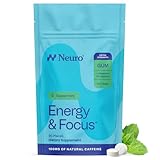
- Fast-Acting Nootropic - Our energy supplements deliver an extra boost of energy and clarity with a blend of natural caffeine, L-theanine, and vitamin b6 & b12. Your go-to chewing gum for work, exercise, and daily focus!
- Clean Energy - Each piece of our sugar free gum delivers 100mg of natural caffeine from green coffee beans for a smooth energy boost without crashes or jitters.
- The Perfect Balance - With 60mg of L-theanine per piece, our energy and focus formula promotes enhanced focus and stress reduction to smooth energy boosts.
- How to Use - Chew one piece of the caffeine gum whenever focus or energy is lacking. Ideal for mornings, pre-workout, or afternoon slumps. Effects typically kick in within minutes thanks to optimal absorption through the mouth.
- Made by Neuro, Backed by Science - At Neuro, we combine neuroscience with clean, science backed ingredients to help you do more, think better, and feel your best every single day.
What affects the result
- Timing: Drinking coffee too close to bedtime messes with your sleep. Even a morning cup can affect some people’s sleep quality later.
- Amount: Downing a giant mug might give you a big boost, but also a bigger crash. Small, consistent doses can be more effective for some.
- Your Genetics: Some people metabolize caffeine faster or slower than others. It’s in your DNA, literally.
- Hydration Levels: If you’re already a bit parched, that diuretic effect can hit you harder. Drink water alongside your coffee.
- What You Add: Sugar, cream, syrups – these can cause blood sugar spikes and subsequent crashes, adding to fatigue. Plain black coffee is different.
- Your Diet: Eating a balanced meal before or with coffee can slow caffeine absorption. A sugary pastry? Not so much.
- Sleep Quality: If you’re chronically sleep-deprived, coffee might just mask the problem temporarily. You need actual rest.
- Caffeine Tolerance: Regular drinkers often need more coffee to feel the same effects, and withdrawal can cause fatigue.
- Underlying Health Issues: Things like anemia, thyroid problems, or chronic fatigue syndrome can make you feel tired regardless of coffee.
- Stress Levels: High stress can deplete your body’s resources, and caffeine might just be a temporary band-aid.
- The Coffee Itself: Different beans and roast levels can have slightly different caffeine content.
- Your Personal Sensitivity: Some folks are just more sensitive to caffeine’s effects, both positive and negative.
To combat the dehydrating effects of coffee, always keep a reliable water bottle handy. Staying well-hydrated is crucial for preventing fatigue and maintaining overall well-being.

- 30-ounce insulated stainless steel water bottle with extra features: includes a 2-in-1 spout that lets you choose how you drink; push-button, leak-proof lid that locks for all your adventures
- Choose your sip style—straw or swig: Patented 2-in-1 FreeSip spout is one of a kind; it lets you sip upright through the built-in straw or swig by tilting back the spout
- Hygienic push-button lid and easy carry handle: closed lid keeps spout covered and clean between sips; ergonomic bucket handle makes transport easy for sports, campsites, road trips, school, and work
- Keeps water cold and fits where you need: Triple-layer insulation keeps drinks colder up to 24 hours; wide opening for easy cleaning and extra ice; cupholder friendly base fits most car cupholders
- Safe materials and simple care instructions: BPA, lead, and phthalate-free for safe drinking; hand wash the cup,lid is dishwasher safe and can be easily disassembled; not for use with hot liquids
Pros, cons, and when it matters
- Pro: Alertness Boost: Obvious one. Helps you power through that early morning meeting or long drive.
- Con: The Crash: That sudden dip in energy can be jarring and make you feel worse than before.
- Pro: Improved Focus: For many, coffee sharpens concentration and cognitive function.
- Con: Sleep Disruption: Drinking it too late can lead to tossing and turning, which means less restorative sleep.
- Pro: Antioxidants: Coffee beans are packed with beneficial compounds.
- Con: Dehydration Risk: If you forget to drink water, you might feel sluggish from lack of fluids.
- Pro: Social Ritual: Grabbing a coffee with friends or colleagues is a nice way to connect.
- Con: Jitters and Anxiety: For some, caffeine can trigger nervousness or unease.
- Pro: Performance Enhancement: Can improve physical performance for athletes.
- Con: Dependency: You might feel like you need it to function, which isn’t ideal.
- Pro: Mood Elevation: The dopamine hit can genuinely lift your spirits.
- Con: Stomach Upset: For sensitive stomachs, coffee can cause heartburn or digestive issues.
- Pro: Accessibility: Coffee is readily available almost everywhere.
- Con: Masking Problems: It can hide underlying issues like poor sleep or stress, preventing you from addressing them.
- Pro: Warmth and Comfort: Sometimes, a hot cup is just plain comforting.
- Con: Withdrawal Symptoms: Skipping your usual dose can lead to headaches and fatigue.
- Pro: Potential Health Benefits: Studies link moderate coffee consumption to reduced risk of certain diseases.
- Con: Exacerbating Existing Conditions: Can worsen issues like acid reflux or anxiety in some individuals.
- Pro: Variety of Brew Methods: From pour-over to espresso, there’s a coffee experience for everyone.
- Con: Cost: For daily enthusiasts, the cost of quality beans and brewing equipment adds up.
Common misconceptions
- Myth: Coffee is inherently bad for you. Reality: Moderate consumption is linked to many health benefits. It’s about how much and how you consume it.
- Myth: Caffeine is a direct energy source. Reality: It’s a stimulant that blocks sleep signals, not a provider of fuel.
- Myth: Black coffee has zero calories. Reality: While very low, it’s not zero. But it’s negligible for most.
- Myth: You can “sleep it off” after drinking coffee late. Reality: Caffeine significantly disrupts sleep architecture, making “catching up” difficult.
- Myth: Decaf coffee has no caffeine. Reality: Decaf still contains a small amount of caffeine, usually 1-2% of a regular cup.
- Myth: Coffee directly causes heart problems. Reality: For most healthy individuals, moderate coffee intake doesn’t increase heart disease risk.
- Myth: Coffee dehydrates you completely. Reality: While it’s a mild diuretic, the fluid in coffee usually offsets the loss. Just drink water too.
- Myth: All coffee tastes the same. Reality: Bean origin, roast, and brewing method create a huge spectrum of flavors.
- Myth: Cold brew is always less acidic. Reality: It’s often perceived as smoother, but the acidity levels can vary.
- Myth: You can build immunity to caffeine’s negative effects. Reality: While tolerance builds for the “buzz,” sensitivity to side effects like jitters can remain.
FAQ
Q: If coffee makes me tired, should I stop drinking it?
A: Not necessarily. Try adjusting the timing, amount, or what you add. Also, focus on sleep and hydration.
Q: Could my afternoon slump be a caffeine crash?
A: It’s possible, especially if you had coffee mid-morning or earlier. The peak effects wear off, and you feel the dip.
Q: Is it normal to feel jittery and then tired after coffee?
A: Yes, that’s a common pattern. The initial stimulant effect can be followed by a rebound when it wears off.
Q: Does the type of coffee matter?
A: It can. Darker roasts sometimes have slightly less caffeine than lighter ones, but it varies. The preparation method also plays a role.
Q: What if I’m sensitive to caffeine?
A: You might want to stick to smaller amounts, drink it earlier in the day, or consider lower-caffeine options like tea or decaf.
Q: How much water should I drink with coffee?
A: A good rule of thumb is to have a glass of water for every cup of coffee you drink to stay hydrated.
Q: Can adding milk or sugar make coffee less likely to make me tired?
A: It might change the type of tiredness. Sugar causes its own spike and crash, separate from caffeine. Milk adds calories and can slow absorption.
Q: Is there a point where coffee is definitely too much?
A: If you consistently experience jitters, anxiety, sleep problems, or digestive upset, it’s likely too much for you.
Q: What are signs I might have a caffeine tolerance?
A: You need more coffee than you used to just to feel normal, or you get headaches if you skip it.
Q: Should I worry about adrenal fatigue from coffee?
A: Adrenal fatigue isn’t a recognized medical diagnosis. Focus on managing stress, sleep, and nutrition for energy.
What this page does NOT cover (and where to go next)
- Specific medical advice for persistent fatigue. Consult a doctor for diagnosis.
- Detailed comparisons of specific coffee brewing equipment. Explore brewing guides.
- Nutritional breakdowns of various coffee drinks and additives. Look for food science resources.
- The history of coffee cultivation and trade. Dive into agricultural or historical texts.
- Advanced espresso extraction techniques. Seek out barista training materials.