
Understanding Why Coffee Can Cause Anxiety
Quick answer
- Caffeine, a stimulant in coffee, can increase alertness and heart rate.
- For some individuals, this stimulation can manifest as feelings of anxiety or nervousness.
- Individual sensitivity to caffeine varies significantly due to genetics and other factors.
- Drinking coffee on an empty stomach may intensify anxiety symptoms for some.
- The amount of coffee consumed directly correlates with the potential for anxiety.
- Other compounds in coffee, beyond caffeine, can also play a role in how your body reacts.
Key terms and definitions
- Caffeine: A natural stimulant most commonly found in coffee, tea, and cacao plants.
- Adenosine: A neurotransmitter in your brain that promotes relaxation and sleepiness. Caffeine blocks its receptors.
- Adrenaline (Epinephrine): A hormone released in response to stress, preparing the body for “fight or flight.” Caffeine can trigger its release.
- Cortisol: A steroid hormone produced by the adrenal glands, often called the “stress hormone.” Coffee consumption can temporarily increase cortisol levels.
- Half-life: The time it takes for the amount of a substance in the body to be reduced by half. Caffeine’s half-life can range from 3 to 7 hours.
- Metabolism: The chemical processes that occur within a living organism in order to maintain life. Caffeine metabolism varies among individuals.
- Tolerance: A state in which a person’s body becomes accustomed to a substance, requiring larger doses to achieve the same effect.
- Anxiety: A feeling of worry, nervousness, or unease, typically about an event or something with an uncertain outcome.
- Panic attack: A sudden episode of intense fear that triggers severe physical reactions when there is no real danger or apparent cause.
- Genetic predisposition: An increased likelihood of developing a particular disease or condition based on a person’s genetic makeup.
If you’re looking to understand caffeine’s effects better, consider exploring caffeine supplements to see how different dosages impact you, but always with caution.
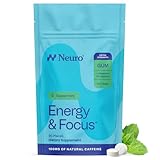
- Fast-Acting Nootropic - Our energy supplements deliver an extra boost of energy and clarity with a blend of natural caffeine, L-theanine, and vitamin b6 & b12. Your go-to chewing gum for work, exercise, and daily focus!
- Clean Energy - Each piece of our sugar free gum delivers 100mg of natural caffeine from green coffee beans for a smooth energy boost without crashes or jitters.
- The Perfect Balance - With 60mg of L-theanine per piece, our energy and focus formula promotes enhanced focus and stress reduction to smooth energy boosts.
- How to Use - Chew one piece of the caffeine gum whenever focus or energy is lacking. Ideal for mornings, pre-workout, or afternoon slumps. Effects typically kick in within minutes thanks to optimal absorption through the mouth.
- Made by Neuro, Backed by Science - At Neuro, we combine neuroscience with clean, science backed ingredients to help you do more, think better, and feel your best every single day.
How it works
- Caffeine rapidly enters the bloodstream after consumption, typically within 15-45 minutes.
- Once in the brain, caffeine acts as an adenosine receptor antagonist, meaning it blocks adenosine.
- Blocking adenosine prevents the natural calming effect, leading to increased alertness and wakefulness.
- This action can also trigger the release of neurotransmitters like dopamine and norepinephrine.
- The body may also release adrenaline and cortisol in response to caffeine’s stimulating effects.
- These hormonal changes can elevate heart rate, blood pressure, and cause feelings of nervousness.
- For some, this physiological response mimics the body’s natural stress reaction, leading to anxiety.
- The duration of these effects depends on individual metabolism and the amount of caffeine consumed.
- Caffeine can also affect gastrointestinal motility, which some people may perceive as discomfort or nervousness.
- The overall experience of why coffee makes you anxious is a complex interplay of these physiological responses.
What affects why coffee makes me anxious
- Caffeine Sensitivity: Genetic factors influence how quickly your body metabolizes caffeine; slow metabolizers may feel effects more strongly and for longer.
- Dosage: Higher caffeine intake generally correlates with a greater likelihood and intensity of anxiety symptoms.
- Frequency of Consumption: Regular coffee drinkers may develop a tolerance, while infrequent drinkers might be more sensitive.
- Individual Health Conditions: Pre-existing anxiety disorders, panic disorder, or heart conditions can be exacerbated by caffeine.
- Medications: Certain medications can interact with caffeine, altering its effects or metabolism. Check with a healthcare professional.
- Timing of Consumption: Drinking coffee later in the day can interfere with sleep, which in turn can worsen anxiety.
- Empty Stomach: Consuming coffee on an empty stomach may lead to faster absorption and more pronounced effects for some individuals.
- Hydration Status: Dehydration can sometimes mimic or worsen feelings of anxiety, and excessive coffee can contribute to fluid loss.
- Stress Levels: When already stressed, the stimulating effects of coffee might push some individuals into an anxious state.
- Sleep Quality: Poor sleep can increase sensitivity to caffeine and make individuals more prone to anxiety.
- Other Dietary Factors: Pairing coffee with sugary foods or drinks might lead to blood sugar fluctuations, contributing to nervousness.
- Type of Coffee: While caffeine is the primary factor, some suggest other compounds in coffee could subtly influence individual reactions.
Pros, cons, and when it matters
- Pro: Increased Alertness & Focus: For many, coffee enhances cognitive function, making tasks easier. This is a common reason people drink it.
- Con: Jitters & Restlessness: For sensitive individuals, the stimulant effect can cross the line into uncomfortable physical and mental agitation.
- Pro: Mood Boost: Moderate coffee consumption has been linked to improved mood and reduced risk of depression for some.
- Con: Heightened Anxiety: For those prone to anxiety, coffee can trigger or worsen feelings of worry, nervousness, or even panic attacks.
- When it matters: Early Mornings: Many rely on coffee to kickstart their day, but if it causes anxiety, it might disrupt the start of your day.
- When it matters: High-Stress Situations: During periods of elevated stress, adding a stimulant like caffeine can be counterproductive for some.
- Pro: Social Ritual: Coffee drinking is a significant social and cultural activity, offering connection and routine.
- Con: Sleep Disruption: Caffeine consumed too late in the day can interfere with sleep, creating a cycle where poor sleep exacerbates anxiety.
- When it matters: Before Important Events: If coffee makes you anxious, avoiding it before presentations or meetings can help maintain composure.
- Pro: Antioxidant Benefits: Coffee contains antioxidants that may contribute to overall health.
- Con: Physical Discomfort: Beyond anxiety, some experience stomach upset, increased heart rate, or headaches from coffee.
- When it matters: Individual Health Profile: If you have a diagnosed anxiety disorder or heart condition, the cons of coffee often outweigh the pros.
For those who find coffee exacerbates their anxiety, exploring anxiety relief supplements might offer a complementary approach to managing these feelings.

- Balance Daily Stress: Includes one 6-count bottle of ONNIT New MOOD Occasional Stress Support Supplement, IGENTM certified to verify label claims about the presence of GMOs for trusted daily support.
- Support a Normal Daily Stress Response: This relaxation and mood-balancing supplement, IGENTM Non-GMO Tested for label transparency, combines 5-HTP, Magnesium, Tryptophan, and our herbal tranquility blend with Valerian and Chamomile Extract to help you manage occasional stress.
- Promotes a Restful Night’s Sleep: Formulated with Valerian extract and 5-HTP, ONNIT New MOOD helps support a calm mind and body before bed for restful sleep—IGENTM Non-GMO Tested for your peace of mind.
- Perfect For Daily Use: This dietary supplement contains herbs and compounds that support serotonin levels and can be taken daily or whenever you desire a calm, balanced mood—IGENTM Non-GMO Tested for quality assurance.
- Quality Ingredients: Developed to promote relaxation and a balanced mood for a great night's sleep, this caffeine-, gluten-, and soy-free formula is IGENTM Non-GMO Tested for uncompromised quality.
Common misconceptions
- All coffee causes anxiety: Not everyone experiences anxiety from coffee; individual tolerance and sensitivity vary widely.
- Decaf coffee has no caffeine: Decaffeinated coffee still contains small amounts of caffeine, though significantly less than regular coffee.
- Coffee is the sole cause of anxiety: While coffee can be a trigger, anxiety is often a complex condition influenced by many factors like stress, genetics, and environment.
- The darker the roast, the more caffeine: Lighter roasts often contain slightly more caffeine by weight than darker roasts, as roasting burns off some caffeine.
- Coffee is inherently bad for you: For many, moderate coffee consumption is associated with several health benefits and poses no anxiety issues.
- You can just “power through” coffee-induced anxiety: Ignoring symptoms can be detrimental; listening to your body’s signals is important.
- Switching to tea will solve all caffeine-related anxiety: Tea also contains caffeine, though often in lower amounts, and can still cause anxiety in sensitive individuals.
- Only strong coffee causes anxiety: Even mild coffee or smaller amounts can trigger anxiety in highly sensitive people.
- Coffee is addictive in the same way as hard drugs: While caffeine can lead to dependence and withdrawal symptoms, it’s generally not considered addictive in the same severe sense as illicit drugs.
- Drinking water with coffee completely cancels out negative effects: While hydration is good, it doesn’t eliminate caffeine’s stimulating impact or prevent anxiety for those sensitive to it.
FAQ
Q: How much coffee is too much if it makes me anxious?
A: This varies greatly by individual. Some people might feel anxious after a single cup, while others can tolerate several. Pay attention to your body’s signals and consider reducing your intake if you notice anxiety symptoms.
Q: Can switching to decaf coffee help with anxiety?
A: Yes, for many people, switching to decaf coffee can significantly reduce or eliminate coffee-induced anxiety because it contains very little caffeine. However, remember decaf still has trace amounts.
Q: Does drinking coffee on an empty stomach make anxiety worse?
A: Some individuals report that coffee on an empty stomach leads to a quicker and more intense caffeine rush, which can exacerbate feelings of anxiety. Eating something before or with your coffee might help mitigate this.
Q: Are there specific types of coffee that cause less anxiety?
A: The primary factor is caffeine content, not necessarily the type of coffee bean or roast. However, some people find that espresso, due to its smaller volume, can be less anxiety-inducing than a large drip coffee, even if the caffeine concentration is high.
Q: What are alternatives to coffee if it makes me anxious?
A: Many alternatives exist, such as herbal teas (ginger, peppermint, chamomile), chicory root coffee substitutes, or even just plain hot water with lemon. These options can provide a warm beverage without the stimulant effect.
If coffee consistently triggers anxiety, exploring coffee alternatives like herbal teas or chicory root can be a great way to enjoy a warm beverage without the jitters.

- CLOSE TO COFFEE TASTE: Experience a delightful Turkish-style sip with this coffee substitute; its flavor profile is made from healthy date seeds but resembles traditional coffee; perfect for those seeking a non coffee alternative
- CAFFEINE-FREE DELIGHT: Enjoy the rich aroma crafted from decaffeinated date seeds, you can enjoy the delicious taste of coffee without compromising on taste or experiencing side effects from caffeine
- VEGAN FRIENDLY CHOICE: Our herbal beverage is ideal for vegans or those following a plant-based diet; enjoy the closer-to-coffee taste without any animal products
- EASY TO MAKE: Our coffee alternative is made just like regular Turkish coffee; simply add one to two teaspoons of our ground Eastern Brew to your cezve filled with water for a perfect brew
- ORGANIC & HEALTHY: A healthy coffee alternative, date seeds are a natural source of antioxidants and polyphenols, which may help promote heart health; gluten-free, no artificial ingredients, colors, or flavors
Q: How long does coffee-induced anxiety typically last?
A: The effects of caffeine can last for several hours, depending on your metabolism. Its half-life is typically 3-7 hours, meaning anxiety symptoms could persist for a significant portion of the day after consumption.
What this page does NOT cover (and where to go next)
- Specific medical advice for anxiety disorders or caffeine sensitivity. Consult a healthcare professional for personalized guidance.
- Detailed pharmacological mechanisms of caffeine’s interaction with specific neurotransmitters.
- Comprehensive guides to brewing different types of coffee or coffee maker reviews.
- The history of coffee or its global economic impact.
- Recipes for coffee-based drinks or food pairings.