
Can Coffee Cause Dry Eyes?
Quick answer
- Coffee, primarily due to its caffeine content, can act as a diuretic, potentially leading to increased fluid excretion.
- Dehydration, even mild, can reduce overall body fluid, including tear production.
- Some studies suggest a link between caffeine intake and changes in tear film stability, which can contribute to dry eye symptoms.
- Individual sensitivity to caffeine varies greatly, affecting how strongly one might experience dry eye symptoms.
- Other factors like screen time, environmental conditions, and underlying health issues are often more significant contributors to dry eyes.
- Moderation in coffee consumption and adequate hydration are key for overall health, including eye comfort.
Key terms and definitions
- Caffeine: A natural stimulant found in coffee, tea, and some other plants, known for its diuretic properties.
- Diuretic: A substance that promotes increased urine production and fluid excretion from the body.
- Dehydration: A state where the body loses more fluid than it takes in, leading to a deficit in total body water.
- Tear film: A thin, three-layered fluid layer that covers the surface of the eye, essential for lubrication and protection.
- Dry eye syndrome (DES): A common condition where the eyes don’t produce enough tears, or the tears evaporate too quickly, leading to discomfort.
- Lacrimal glands: Glands located above each eye that produce the watery component of tears.
- Osmolarity: A measure of the concentration of dissolved particles in a fluid; high tear osmolarity is a marker of dry eye.
- MGD (Meibomian Gland Dysfunction): A common cause of evaporative dry eye, where glands in the eyelids don’t produce enough oil for the tear film.
- Antioxidants: Substances that can prevent or slow damage to cells caused by free radicals; coffee contains various antioxidants.
- Vasoconstriction: The narrowing of blood vessels, which can be a temporary effect of caffeine.
How does coffee make your eyes dry?
- Caffeine acts as a diuretic, signaling the kidneys to excrete more water and sodium.
- This increased fluid excretion can lead to a slight reduction in overall body hydration.
- Reduced systemic hydration might, in turn, decrease the volume of fluid available for tear production.
- Some research indicates that caffeine may temporarily affect the stability and composition of the tear film.
- A less stable tear film can lead to faster evaporation of tears from the eye surface.
- The perception of dryness often comes from this rapid evaporation, rather than a complete lack of tear production.
- Caffeine can also cause temporary vasoconstriction, which might theoretically impact blood flow to tear-producing glands, though this effect is generally considered minor for tear production.
- The effect is usually dose-dependent; higher caffeine intake may have a more noticeable impact.
- The body can adapt to regular caffeine intake, potentially reducing the diuretic effect over time for some individuals.
- However, for those sensitive to caffeine, even moderate amounts might trigger symptoms.
If you’re concerned about caffeine’s potential impact on your eyes, consider exploring caffeine supplements as an alternative way to get a boost without the diuretic effects of coffee.
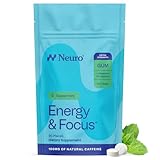
- Fast-Acting Nootropic - Our energy supplements deliver an extra boost of energy and clarity with a blend of natural caffeine, L-theanine, and vitamin b6 & b12. Your go-to chewing gum for work, exercise, and daily focus!
- Clean Energy - Each piece of our sugar free gum delivers 100mg of natural caffeine from green coffee beans for a smooth energy boost without crashes or jitters.
- The Perfect Balance - With 60mg of L-theanine per piece, our energy and focus formula promotes enhanced focus and stress reduction to smooth energy boosts.
- How to Use - Chew one piece of the caffeine gum whenever focus or energy is lacking. Ideal for mornings, pre-workout, or afternoon slumps. Effects typically kick in within minutes thanks to optimal absorption through the mouth.
- Made by Neuro, Backed by Science - At Neuro, we combine neuroscience with clean, science backed ingredients to help you do more, think better, and feel your best every single day.
What affects whether coffee makes your eyes dry
- Caffeine intake level: Higher doses of caffeine are more likely to exert a diuretic effect and potentially impact tear production.
- Individual sensitivity to caffeine: Some people are more genetically predisposed to feel the effects of caffeine more strongly, including its diuretic properties.
- Overall hydration status: If you’re already dehydrated, even a moderate amount of coffee could exacerbate fluid loss and dry eye symptoms.
- Environmental factors: Dry climates, wind, air conditioning, and heating can all increase tear evaporation, making any coffee-related dehydration more noticeable.
- Screen time: Prolonged use of digital screens reduces blink rates, leading to increased tear evaporation and dry eyes, regardless of coffee consumption.
- Underlying eye conditions: Pre-existing dry eye syndrome, meibomian gland dysfunction, or other ocular surface diseases can make eyes more susceptible to any drying effects of coffee.
- Medications: Certain medications (e.g., antihistamines, decongestants, some antidepressants) can cause dry eyes as a side effect, potentially compounding any effect from coffee.
- Age: Tear production naturally decreases with age, making older individuals potentially more vulnerable to dry eye symptoms.
- Diet and nutrition: A diet lacking in essential fatty acids (like Omega-3s) can contribute to dry eyes, independent of coffee intake.
- Type of coffee: While the caffeine content is the primary factor, some flavored coffees might contain additional ingredients that could influence hydration or overall well-being.
Maintaining good overall hydration is crucial, especially if you’re a coffee drinker. Consider adding hydration supplements to your routine to ensure you’re adequately replenishing fluids.

- FAST & EFFECTIVE HYDRATION: Combat dehydration with our science-based electrolyte powder formula that hydrates faster than water alone. Perfect for sports, outdoor activities, and hot days.
- 3X ELECTROLYTES & ½ THE SUGAR: Our precise formula activates a hydration shortcut, delivering essential electrolytes with less sugar than leading sports drinks. A great-tasting hydration powder that's easy to drink and mix.
- HEALTH-CONSCIOUS FORMULA: Non-GMO, Gluten-Free, Vegan, Soy-Free, Dairy-Free and Kosher. Our hydration packets include essential nutrients like potassium, magnesium, zinc, and vitamin C for added immune support. Natural colors derived from sources including fruit and vegetable juices, turmeric, spirulina extract, and beta carotene. No FD&C colors ever (no Red 40).
- CONVENIENT SINGLE-SERVE PACKETS: 16 portable electrolytes powder packets perfect to rehydrate on-the-go. Ideal for travel, sports activities, and daily use. Mix 1 packet into 8 oz of water for effective hydration.
- TRUSTED BRAND WITH A MISSION: Created by a doctor, DripDrop is a groundbreaking innovation that earned a Mayo Clinic Humanitarian Award. As a Public Benefit Company, every purchase supports our mission to defeat dehydration with global donations of our product.
Pros, cons, and when it matters for dry eyes
- Pro: Alertness & focus: Coffee helps many people stay awake and concentrate, which can indirectly improve productivity and daily functioning.
- Con: Diuretic effect: The primary concern is that caffeine’s diuretic action could lead to mild dehydration, potentially reducing tear volume.
- When it matters: High consumption: If you drink multiple cups of strong coffee daily without adequate water intake, the diuretic effect is more likely to be significant.
- Pro: Antioxidants: Coffee contains antioxidants that may offer various health benefits, though their direct impact on dry eyes is not well-established.
- Con: Tear film instability: Some studies suggest caffeine might temporarily affect the lipid layer of the tear film, leading to faster evaporation.
- When it matters: Pre-existing dry eyes: Individuals already suffering from dry eye syndrome may be more sensitive to any drying effects of coffee.
- Pro: Ritual & enjoyment: For many, coffee is an enjoyable part of their routine, contributing to overall well-being and satisfaction.
- Con: Sleep disruption: Consuming coffee too close to bedtime can disrupt sleep, and poor sleep can exacerbate dry eye symptoms.
- When it matters: Individual sensitivity: If you notice a direct correlation between coffee intake and increased eye discomfort, it’s worth considering reducing your consumption.
- Pro: Social aspect: Coffee breaks and meetings can foster social connections, which are important for mental health.
- Con: Masking other issues: Focusing solely on coffee as a cause might distract from addressing more significant dry eye contributors like screen use or environmental factors.
- When it matters: Hydration habits: If you tend to replace water with coffee, you’re more likely to experience dehydration-related dry eye symptoms.
Common misconceptions about does coffee make your eyes dry
- “Coffee always causes severe dehydration.” While coffee is a diuretic, its dehydrating effect is often mild, especially for regular drinkers whose bodies have adapted. It’s not equivalent to drinking no water at all.
- “One cup of coffee will definitely give me dry eyes.” The impact is highly individual and dose-dependent. A single cup for most people is unlikely to cause noticeable dry eye symptoms.
- “Decaf coffee is completely safe for dry eyes.” Decaf still contains trace amounts of caffeine, though significantly less. Other compounds in coffee might also have minor effects, but the risk is much lower.
- “Dry eyes mean I have to stop drinking coffee entirely.” For many, moderation and ensuring adequate water intake alongside coffee can mitigate any potential drying effects. Complete abstinence is rarely necessary unless symptoms are severe and directly linked.
- “Coffee is the main cause of my dry eyes.” More often, dry eyes are caused by a combination of factors such as screen use, environmental conditions, age, contact lens wear, and certain medications. Coffee’s role is usually secondary.
- “Drinking water with coffee completely negates its diuretic effect.” While drinking water is crucial for hydration, it doesn’t entirely cancel out the diuretic action of caffeine. It helps replenish fluids, but the kidneys still process more fluid.
- “Coffee permanently damages tear glands.” There is no scientific evidence to suggest that moderate coffee consumption causes permanent damage to the lacrimal glands or permanently impairs tear production.
- “All caffeinated beverages have the same effect on dry eyes.” The caffeine content varies widely across different beverages (e.g., energy drinks, tea, soda), and other ingredients might also play a role. Coffee is just one source.
FAQ
Q: Can I still drink coffee if I have dry eyes?
A: Many people with dry eyes can still enjoy coffee in moderation. Focus on staying well-hydrated throughout the day by drinking plenty of water, and consider reducing your coffee intake if you notice a direct worsening of symptoms.
Q: How much coffee is too much for dry eyes?
A: This varies greatly by individual. Some people might notice effects after 2-3 cups, while others can consume more without issues. Pay attention to your body’s response and adjust accordingly.
Q: Does drinking water with my coffee help prevent dry eyes?
A: Yes, drinking water alongside or after your coffee is a good practice. It helps to counteract the diuretic effect of caffeine by replenishing fluids, supporting overall hydration and potentially tear production.
Q: Are there specific types of coffee that are better or worse for dry eyes?
A: The primary factor is caffeine content. Stronger brews or larger servings will contain more caffeine. Decaffeinated coffee will have a significantly reduced impact, as it contains very little caffeine.
Q: Should I avoid coffee if I’m using eye drops for dry eyes?
A: Using eye drops addresses the symptoms of dry eyes directly. While coffee might be a contributing factor, continuing your prescribed or recommended eye drop regimen is important for managing your condition. Consult your eye care professional for personalized advice.
Q: Is it true that caffeine can sometimes improve dry eyes?
A: Some limited research has explored caffeine’s potential to stimulate tear production in certain contexts, but the general consensus regarding its diuretic effect often points towards a potential for exacerbation. More definitive research is needed to support any beneficial claims for dry eye treatment.
Q: What are other common causes of dry eyes besides coffee?
A: Other significant causes include prolonged screen use, environmental factors (wind, dry air), aging, certain medications, contact lens wear, autoimmune diseases, and meibomian gland dysfunction. Coffee is usually a secondary factor.
What this page does NOT cover (and where to go next)
- Specific medical treatments or diagnoses for dry eye syndrome.
- Detailed nutritional advice beyond general hydration.
- Comparisons of specific coffee brands or brewing methods.
- The full spectrum of health benefits or risks associated with coffee consumption.
- In-depth information on other caffeinated beverages and their effects.
- How to choose and use artificial tears or other over-the-counter dry eye remedies.