
Tiredness: Coffee vs. Energy Drinks, What’s the Difference?
Quick Answer
- Coffee and energy drinks offer different stimulant experiences, primarily due to their ingredients and how your body processes them.
- Coffee’s caffeine can lead to a crash if consumed in excess or on an empty stomach, whereas energy drinks often include sugar and other compounds that can smooth out the effect.
- Individual sensitivity to caffeine, sugar, and other additives plays a significant role in how each beverage affects energy levels.
- The “crash” from coffee is often linked to adenosine receptor blockage wearing off, while energy drinks might mitigate this with their complex formulations.
- For sustained energy without a significant crash, understanding your body’s response and choosing wisely is key.
Key Terms and Definitions
- Caffeine: A natural stimulant found in coffee beans, tea leaves, and cocoa beans, known for its ability to increase alertness and reduce fatigue.
- Adenosine: A neurotransmitter that promotes relaxation and sleepiness. Caffeine works by blocking adenosine receptors in the brain.
- Sugar (Sucrose/Fructose): Provides a quick source of energy. High intake can lead to a rapid energy spike followed by a crash.
- Taurine: An amino acid found in energy drinks, thought to play a role in various bodily functions, including neurological development and regulation of mineral levels.
- B Vitamins: A group of vitamins essential for energy metabolism, often added to energy drinks.
- Herbal Extracts (e.g., Guarana, Ginseng): Plants sometimes added to energy drinks, which may contain their own stimulants or adaptogenic properties.
- Stimulant: A substance that raises levels of physiological or nervous system activity, often increasing alertness and energy.
- Placebo Effect: A beneficial effect produced by a placebo drug or treatment, which cannot be attributed to the properties of the placebo itself, and must therefore be assumed to be the result of the patient’s belief in that treatment.
- Crash: A sudden and significant drop in energy levels and mood, often experienced after the effects of a stimulant or sugar wear off.
- Tolerance: The body’s reduced response to a substance after repeated exposure, meaning more of the substance is needed to achieve the same effect.
How It Works: Coffee vs. Energy Drinks
- Coffee’s Mechanism: Coffee primarily works through caffeine. Caffeine molecules are structurally similar to adenosine, a neurotransmitter that signals tiredness. Caffeine binds to adenosine receptors in the brain, blocking adenosine from binding and thus preventing the feeling of drowsiness. This leads to increased alertness and a feeling of being more awake.
- Energy Drink Formulation: Energy drinks are complex beverages. They typically contain caffeine, but often in varying amounts and sometimes from different sources like guarana. They also usually include significant amounts of sugar for immediate energy.
- Added Ingredients in Energy Drinks: Beyond caffeine and sugar, many energy drinks contain a cocktail of other ingredients like taurine, B vitamins, and herbal extracts. The intended purpose of these additives is often to enhance cognitive function, boost metabolism, or provide a more sustained energy release.
- Synergistic Effects: Proponents suggest that the combination of ingredients in energy drinks might create a synergistic effect, meaning their combined impact is greater than the sum of their individual parts. This is theorized to contribute to a smoother or more prolonged energy boost.
- Sugar’s Role: The high sugar content in many energy drinks provides a rapid influx of glucose into the bloodstream, which the body converts into readily available energy. This quick energy can mask the effects of adenosine for a period.
- The “Crash” Phenomenon: When the effects of caffeine wear off, or when blood sugar levels drop sharply after a sugar high, a “crash” can occur. This is characterized by fatigue, irritability, and a return of drowsiness.
- Adenosine Rebound: After caffeine is no longer blocking adenosine receptors, the accumulated adenosine can bind rapidly, leading to a pronounced feeling of tiredness, sometimes referred to as an adenosine rebound.
- Varied Caffeine Absorption: The rate at which caffeine is absorbed into the bloodstream can differ based on the beverage’s composition and whether it’s consumed with food. This can influence the onset and duration of its effects.
- Hydration Factor: While both are liquids, the diuretic effect of caffeine can sometimes lead to dehydration if fluid intake isn’t sufficient, which can paradoxically increase feelings of tiredness.
- Psychological Impact: The expectation of an energy boost from either coffee or an energy drink can influence perceived energy levels through the placebo effect.
What Affects the Result: Why Coffee Might Make You Tired
- Caffeine Tolerance: Regular consumption of caffeine can lead to tolerance. Your body becomes less sensitive to its effects, meaning you might need more caffeine to achieve the same level of alertness, or you may experience less pronounced benefits and more noticeable dips.
- Dosage of Caffeine: Consuming too much caffeine in one sitting can overwhelm your system. While initially invigorating, a very high dose can lead to jitters, anxiety, and eventually a significant energy crash as your body works to process it.
- Sugar Content and Type: Energy drinks often contain large amounts of sugar. While this provides an initial energy surge, the subsequent drop in blood sugar can lead to fatigue. Coffee, especially black coffee, has no sugar, so this effect is absent unless sugar is added.
- Individual Sensitivity: People metabolize caffeine at different rates due to genetic factors. Some individuals are “fast metabolizers” and feel the effects quickly and for a shorter duration, while “slow metabolizers” may feel effects for longer and are more prone to jitters or sleep disturbances.
- Time of Consumption: Drinking coffee late in the day can interfere with sleep. Poor sleep quality directly contributes to daytime tiredness, creating a cycle where you reach for more stimulants.
- Food Intake: Consuming coffee on an empty stomach can lead to faster absorption of caffeine and a more intense, but potentially shorter-lived, effect. Having food in your stomach can slow absorption, leading to a gentler and more sustained boost.
- Dehydration: Caffeine has a mild diuretic effect. If you don’t compensate with adequate water intake, even mild dehydration can cause fatigue and headaches, masking the intended benefits of your coffee.
- Other Ingredients in Energy Drinks: The combination of caffeine, sugar, taurine, and other additives in energy drinks can interact with your body in ways that differ from coffee alone. Some individuals may react negatively to certain additives, leading to unexpected fatigue.
- Quality of Sleep: Ultimately, the most significant factor influencing tiredness is sleep quality and duration. If you are chronically sleep-deprived, no amount of coffee or energy drink will provide a sustainable solution.
- Stress and Cortisol Levels: High stress can elevate cortisol levels, which can contribute to feelings of exhaustion. While stimulants can temporarily override this, they don’t address the underlying stress.
- Nutritional Deficiencies: Lack of essential nutrients, such as iron or B vitamins, can lead to persistent fatigue. Stimulants can mask these symptoms but won’t resolve the root cause.
- Underlying Health Conditions: Persistent tiredness can be a symptom of various medical conditions, such as anemia, thyroid issues, or chronic fatigue syndrome. Relying solely on stimulants can delay diagnosis and proper treatment.
Pros, Cons, and When It Matters: Coffee vs. Energy Drinks
- Coffee Pro: Natural Source: Coffee is a natural beverage derived from roasted beans, offering a straightforward stimulant experience.
- Coffee Con: Potential for Crash: Without careful management of intake and timing, coffee can lead to a noticeable energy crash as caffeine wears off.
- Coffee Pro: Antioxidants: Coffee contains antioxidants, which are beneficial compounds for overall health.
- Coffee Con: Acidity: For some individuals, the acidity of coffee can cause digestive discomfort or heartburn.
- Coffee Pro: Versatile: Coffee can be enjoyed black, with milk, or with various sweeteners, allowing for customization.
- Coffee Con: Sleep Disruption: Consuming coffee too late in the day can significantly interfere with sleep quality, leading to increased fatigue the next day.
- Energy Drink Pro: Quick and Convenient: Energy drinks are often pre-packaged and readily available, providing a quick solution for immediate energy needs.
- Energy Drink Pro: Broader Ingredient Profile: The inclusion of sugar, B vitamins, and other compounds can offer a perceived smoother or more sustained energy lift for some users.
- Energy Drink Con: High Sugar Content: Many energy drinks are loaded with sugar, contributing to a significant energy spike followed by a crash, and posing risks for weight gain and dental health.
- Energy Drink Con: Artificial Ingredients: Some energy drinks contain artificial sweeteners, colors, and flavors, which some individuals prefer to avoid.
- Energy Drink Con: Potential for Jitters and Anxiety: The combination of high caffeine and sugar can sometimes lead to pronounced jitters, anxiety, and heart palpitations.
- When It Matters: Short-Term Boost: Both can be useful for a short-term boost during periods of intense work, study, or travel when alertness is paramount.
- When It Matters: Moderation is Key: The benefits of both beverages are maximized when consumed in moderation and with an understanding of individual responses.
- When It Matters: Avoiding Sleep Interference: If you need to stay alert for a specific task but also need to sleep well later, opting for coffee earlier in the day and avoiding energy drinks with high sugar content might be preferable.
- When It Matters: Health Concerns: Individuals with pre-existing conditions like diabetes, heart issues, or anxiety should exercise extreme caution or avoid energy drinks altogether.
Common Misconceptions
- Myth: Coffee is inherently bad for you. While excessive consumption can have downsides, moderate coffee intake is associated with several health benefits and is generally considered safe for most adults.
- Myth: Energy drinks provide “healthy” energy. The energy from most energy drinks comes primarily from sugar and caffeine, which are stimulants, not nutrients. The added vitamins are often in amounts that exceed daily needs and don’t negate the impact of high sugar.
- Myth: Caffeine makes you dehydrated. While caffeine is a mild diuretic, the fluid consumed with coffee usually offsets this effect. Significant dehydration from coffee is uncommon unless intake is extremely high and fluid consumption is minimal.
- Myth: If coffee makes me tired, I’m just “immune” to caffeine. This is unlikely. It’s more probable that your body is reacting to the timing, dosage, or other factors, or you’re experiencing a crash.
- Myth: Energy drinks are a good substitute for sleep. They can temporarily mask fatigue, but they do not provide the restorative benefits of actual sleep and can worsen sleep quality in the long run.
- Myth: All energy drinks are the same. The ingredients, caffeine content, and sugar levels vary significantly between brands and types of energy drinks.
- Myth: Coffee’s effects are solely due to caffeine. While caffeine is the primary active ingredient, coffee contains hundreds of other compounds, including antioxidants, that contribute to its overall effect and potential health benefits.
- Myth: Adding sugar to coffee makes it work better. Sugar provides a quick energy source, but it can lead to a more pronounced crash later and doesn’t enhance caffeine’s alertness effects in a sustainable way.
- Myth: You need energy drinks to perform at your best. For many people, consistent sleep, a balanced diet, and regular exercise are far more effective for sustained energy and performance than stimulants.
- Myth: Coffee always causes jitters. While high doses can, for many people, moderate coffee consumption leads to a smooth increase in alertness without significant side effects.
FAQ
Why does coffee sometimes make me feel tired instead of awake?
This can happen for several reasons. If you’ve built up a tolerance to caffeine, you might not feel its effects as strongly. Consuming too much can also lead to a crash. Additionally, if you’re dehydrated or haven’t slept well, coffee might not be enough to overcome those underlying issues, and you might still feel tired.
If you’re looking for a way to manage your caffeine intake without the added sugars or other ingredients found in coffee and energy drinks, consider caffeine supplements. They offer a straightforward way to get a controlled dose of caffeine.
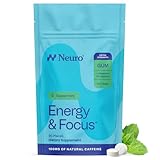
- Fast-Acting Nootropic - Our energy supplements deliver an extra boost of energy and clarity with a blend of natural caffeine, L-theanine, and vitamin b6 & b12. Your go-to chewing gum for work, exercise, and daily focus!
- Clean Energy - Each piece of our sugar free gum delivers 100mg of natural caffeine from green coffee beans for a smooth energy boost without crashes or jitters.
- The Perfect Balance - With 60mg of L-theanine per piece, our energy and focus formula promotes enhanced focus and stress reduction to smooth energy boosts.
- How to Use - Chew one piece of the caffeine gum whenever focus or energy is lacking. Ideal for mornings, pre-workout, or afternoon slumps. Effects typically kick in within minutes thanks to optimal absorption through the mouth.
- Made by Neuro, Backed by Science - At Neuro, we combine neuroscience with clean, science backed ingredients to help you do more, think better, and feel your best every single day.
Are energy drinks a healthier choice than coffee if I want sustained energy?
Generally, no. While energy drinks offer a complex mix of ingredients, their high sugar content in many popular brands leads to a significant energy spike and subsequent crash. Coffee, especially black coffee, provides caffeine without the added sugar, offering a more direct stimulant effect.
How does sugar in energy drinks affect my energy levels compared to black coffee?
Sugar provides a rapid burst of glucose for energy, which can feel invigorating initially. However, this is often followed by a sharp drop in blood sugar, leading to fatigue. Black coffee doesn’t have this sugar-induced cycle, so its energy effect is primarily from caffeine, which wears off more gradually for many people.
Can drinking coffee on an empty stomach make me tired later?
Drinking coffee on an empty stomach can lead to faster caffeine absorption, which might give you a quicker, more intense boost. However, this can also mean the effects wear off faster, potentially leading to a more noticeable crash. Having food can slow absorption for a smoother, more sustained experience.
What is the “crash” after drinking coffee or energy drinks?
The crash is a sudden feeling of fatigue, low energy, and sometimes irritability that occurs after the stimulant effects of caffeine or the sugar rush from energy drinks begin to fade. It’s often due to the body’s response to declining blood sugar or the re-engagement of adenosine receptors in the brain.
Is it possible to build up a tolerance to energy drinks?
Yes, just like with coffee, regular consumption of energy drinks can lead to tolerance. Your body may become less responsive to the caffeine and sugar, requiring you to consume more to achieve the same perceived energy boost.
Do B vitamins in energy drinks actually help with energy?
B vitamins are essential for energy metabolism in the body. However, most people get sufficient B vitamins from their diet. The amounts added to energy drinks are often very high and may not provide an additional energy benefit unless you have a diagnosed deficiency.
If I feel tired after drinking coffee, should I switch to an energy drink?
Switching to an energy drink might offer a different kind of boost due to sugar and other ingredients, but it doesn’t address the root cause of why coffee made you tired. It might just lead to a different, possibly more intense, crash. It’s often better to assess your caffeine intake, hydration, and sleep habits.
Why do energy drinks sometimes cause jitters and anxiety, while coffee doesn’t for me?
This can depend on the specific formulation. Energy drinks often contain higher caffeine levels than a typical cup of coffee, plus sugar and other stimulants like guarana. This combination can be more potent and more likely to trigger jitters and anxiety in sensitive individuals.
What’s the difference in how my body processes caffeine from coffee versus energy drinks?
The primary difference is often the presence of sugar and other additives in energy drinks. While caffeine is caffeine, the overall beverage matrix can affect its absorption rate and how your body responds, especially when combined with a sugar rush.
What This Page Does Not Cover (And Where to Go Next)
- Specific caffeine content by brand and type of coffee or energy drink. For detailed information, check product labels or manufacturer websites.
- Medical advice regarding fatigue or stimulant use. If you experience persistent tiredness, consult a healthcare professional.
- Detailed nutritional breakdowns of every energy drink on the market. Refer to individual product packaging for precise data.
- Recipes for complex coffee beverages or energy drink concoctions. Explore dedicated recipe resources for those.
- The effects of specific herbal extracts or amino acids found in energy drinks beyond general understanding. For in-depth research, consult scientific literature.
- Long-term health impacts of chronic high consumption of either coffee or energy drinks. Consult health organizations and medical professionals for comprehensive guidance.