
Lavender Coffee: Effects on Sleep and Alertness
Quick Answer
- Lavender coffee is a trendy drink, but it’s not a sleep aid.
- The caffeine in coffee primarily promotes alertness.
- Lavender itself can have calming effects, but in coffee, these are usually masked.
- If you’re looking for sleep support, caffeine is the opposite of what you want.
- The amount of lavender used is typically small, unlikely to impact sleep significantly.
- Experimenting with herbal teas might be a better route for relaxation.
Key Terms and Definitions
- Caffeine: A natural stimulant found in coffee beans that blocks adenosine, a neurotransmitter that makes you feel tired.
- Adenosine: A brain chemical that builds up during the day, promoting sleepiness.
- Aromatherapy: The therapeutic use of aromatic plant extracts to improve health and well-being.
- Essential Oil: Concentrated plant extracts, often used in aromatherapy. Lavender essential oil is common.
- Infusion: Steeping a substance (like lavender buds) in hot water to extract its flavor and properties.
- Decaffeination: A process to remove most of the caffeine from coffee beans.
- Circadian Rhythm: Your body’s internal 24-hour clock that regulates sleep-wake cycles.
- Placebo Effect: A beneficial effect produced by a placebo drug or treatment, which cannot be attributed to the properties of the placebo itself, and must therefore be assumed to be the result of the patient’s belief in that treatment.
How Lavender Coffee Works
- Brewing coffee involves passing hot water through ground coffee beans.
- This process extracts soluble compounds, including caffeine and flavor oils.
- When lavender is added, it’s usually in the form of dried buds or sometimes a syrup.
- The hot water then steeps the lavender along with the coffee grounds.
- This allows the volatile oils and aromatic compounds from the lavender to be released into the brew.
- The resulting liquid contains both coffee’s stimulants and lavender’s aromatics.
- The caffeine’s stimulating effect typically dominates the sensory experience.
- You might get a hint of floral aroma, but the strong coffee flavor is usually front and center.
- It’s more about the scent and a subtle flavor note than a direct physiological effect on sleep.
For a quick and easy way to add lavender flavor, consider using a pre-made lavender syrup.
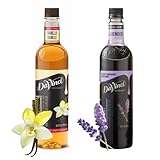
- Premium Flavor Experience: Elevate your beverages with the rich sweetness of DaVinci Gourmet Classic Vanilla Syrup and the delicate floral notes of Lavender Syrup, crafted in small batches for unparalleled flavor.
- Natural Ingredients: Made with natural flavors extracted from plump vanilla beans and pure cane sugar, our syrups offer a balanced sweetness without artificial additives, ensuring a delicious and guilt-free indulgence.
- Versatile Usage: From coffee and chocolate to lemonades, iced teas, cocktails, and more, our syrups are perfect for adding a burst of flavor to a variety of beverages and culinary creations.
- Consistent Performance: Resisting curdling in dairy products and holding its flavor in both hot and cold beverages, our syrups ensure a consistent and enjoyable experience every time.
- Endless Possibilities: With our vast library of core and seasonal offerings, the creative possibilities are endless. Whether you're a barista, mixologist, or home chef, our syrups are designed to inspire and delight your taste buds.
When adding lavender to your coffee, ensure you’re using high-quality culinary lavender buds for the best flavor and safety.

- Culinary Grade Lavender – Premium dried edible lavender buds for teas, baked goods, and desserts with a natural floral aroma and flavor.
- Versatile DIY Ingredient – Ideal for homemade soap, candles, potpourri, and fragrance sachets, adding a soothing and refreshing scent to your projects.
- All-Natural & Non-GMO – 100% natural lavender flowers, free from GMOs and artificial additives, providing a safe and pure product.
- Gluten-Free & Chemical-Free – Enjoy peace of mind with lavender that’s gluten-free and grown without harmful chemicals, making it safe for food and crafts.
- Freshness in Every Bud – Freeze-dried to preserve the vibrant color, delicate aroma, and essential oils, ensuring long-lasting freshness.
What Affects the Result
- Amount of Lavender: Using a tiny pinch versus a tablespoon makes a big difference. More lavender might add more aroma, but it’s still unlikely to overcome caffeine.
- Type of Lavender: Culinary-grade lavender buds are best for consumption. Essential oils are generally not for drinking and can be too potent.
- Brewing Method: Drip, French press, or espresso all extract differently. A longer steep time with lavender might pull out more flavor.
- Coffee Roast: Darker roasts have bolder flavors that can mask subtle lavender notes. Lighter roasts might let the floral hints shine a bit more.
- Freshness of Coffee: Stale coffee loses its nuanced flavors, making it harder to detect anything subtle like lavender.
- Water Temperature: Too hot can scorch the coffee and lavender, creating bitter tastes. Too cool won’t extract properly. Aim for around 195-205°F.
- Coffee-to-Water Ratio: This affects the strength of the coffee. A stronger brew might overpower the lavender more.
- Personal Sensitivity: Some folks are more sensitive to caffeine than others. This will dictate how alert you feel.
- Your Mood: If you’re already relaxed, the lavender might enhance that feeling. If you’re stressed, the caffeine might just make you more jittery.
- Expectations: Believing it will make you sleepy might create a slight placebo effect, but it’s not a reliable mechanism.
Pros, Cons, and When It Matters
- Pro: Unique Flavor Profile: It offers a departure from standard coffee, with a floral twist.
- Con: Caffeine Still Dominates: If you’re sensitive to caffeine, you’ll likely still feel its stimulating effects.
- Pro: Aromatherapy Benefits (Subtle): The aroma alone can be pleasant and mildly relaxing for some.
- Con: Potential for Bitter Taste: Too much lavender or improper brewing can lead to an unpleasant, perfumy bitterness.
- Pro: Conversation Starter: It’s a novel drink that can spark interest and discussion.
- Con: Not a Sleep Aid: This is the big one. It’s not designed for or effective at promoting sleep.
- Pro: Can be Enjoyed Anytime (if you tolerate caffeine): You can drink it in the morning, but maybe not right before bed if you want to sleep.
- Con: Limited Availability: Not every coffee shop offers it, and making it at home requires specific ingredients.
- Pro: Can be Made with Decaf: If you want the lavender flavor without the caffeine jolt, use decaf beans. This is probably the closest you’ll get to a “calming” coffee drink.
- Con: Can be Expensive: If buying pre-made or using high-quality lavender, it can add up.
- When it Matters: It matters if you’re looking for a unique coffee experience or a subtle aromatic treat. It doesn’t matter if your goal is to relax and fall asleep.
Common Misconceptions
- Myth: Lavender coffee will make you sleepy. Nope. Caffeine is a stimulant. The lavender scent might be calming, but the coffee effect wins.
- Myth: You can use any lavender. Stick to culinary-grade dried buds. Essential oils are not for drinking and can be dangerous.
- Myth: Lavender coffee is a natural sedative. While lavender itself can have calming properties in other forms (like tea or aromatherapy), its effect is minimal in coffee.
- Myth: It tastes strongly of lavender. Usually, the coffee flavor is much more dominant. You get more of a floral hint.
- Myth: Adding lavender cancels out caffeine. It doesn’t. They are separate compounds with different effects.
- Myth: It’s good for anxiety before bed. If you’re sensitive to caffeine, it could actually worsen anxiety and disrupt sleep.
- Myth: All lavender coffee is made the same way. Brewing methods and the amount of lavender used vary wildly.
- Myth: You can use fresh lavender flowers. Fresh flowers have a different flavor profile and water content, often not ideal for brewing with coffee. Dried buds are standard.
FAQ
Q: Does lavender coffee have caffeine?
A: Yes, unless you specifically make it with decaffeinated coffee beans. The lavender itself doesn’t remove caffeine.
Q: Can I drink lavender coffee before bed?
A: It’s generally not recommended if you want to sleep well, due to the caffeine content. If you use decaf, it’s more feasible.
Q: Will the lavender make me feel relaxed?
A: The aroma might have a mild calming effect for some, but the caffeine’s stimulating effect is usually much stronger.
Q: How much lavender should I use?
A: Start with a small amount, like 1/2 to 1 teaspoon of dried culinary lavender buds per cup. You can adjust to taste, but too much can be bitter.
Q: Can I use lavender essential oil in my coffee?
A: Absolutely not. Essential oils are highly concentrated and not meant for ingestion. Stick to dried culinary lavender buds.
Q: Is lavender coffee safe to drink?
A: Yes, when made with culinary-grade lavender and brewed properly. It’s just coffee with a floral addition.
Q: Why does my lavender coffee taste perfumy?
A: You likely used too much lavender, or the water was too hot, which can extract bitter compounds and create an overpowering floral taste.
Q: Can I add lavender to my existing coffee maker?
A: Yes, you can add dried lavender buds to the coffee grounds in your filter basket before brewing.
Q: Does lavender affect alertness?
A: Lavender is generally associated with relaxation, not alertness. However, in lavender coffee, the stimulant caffeine is the primary factor affecting alertness.
What This Page Does Not Cover (and Where to Go Next)
- Specific recipes for lavender coffee, including exact measurements and brewing times. Look for “culinary lavender coffee recipes.”
- The detailed chemical compounds in lavender responsible for its aroma and potential calming effects. Explore “lavender aromatherapy research.”
- The process of decaffeination for coffee beans. Search for “how coffee is decaffeinated.”
- Comparisons of different coffee brewing methods beyond general principles. Check out “coffee brewing techniques.”
- Other herbal additions to coffee or tea for relaxation. Investigate “herbal teas for sleep” or “coffee alternative drinks.”