
Coffee and Heart Palpitations: What You Need to Know
Quick answer
- For most healthy individuals, moderate coffee consumption is unlikely to cause heart palpitations.
- Caffeine is a stimulant that can temporarily increase heart rate and blood pressure, which may, in sensitive individuals, trigger palpitations.
- If you experience frequent or concerning heart palpitations, it’s crucial to consult a healthcare professional to rule out underlying medical conditions.
- Factors like stress, dehydration, and other dietary choices can also contribute to heart palpitations, independent of coffee intake.
- Reducing caffeine intake or switching to decaffeinated coffee can be a simple way to see if it impacts your palpitations.
- Listen to your body; if you notice a direct link between coffee and your symptoms, adjusting your habits is a sensible step.
If you’re looking to reduce your caffeine intake without giving up your coffee ritual, consider trying decaffeinated coffee. It can be a great way to enjoy the taste while minimizing potential triggers for palpitations.
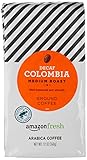
- Balanced, full-bodied medium roast with a smooth finish
- One 12-ounce bag of ground coffee
- Decaffeinated
- 100% Arabica coffee grown in Colombia
- Roasted and packed in the U.S.A.
Key terms and definitions
- Heart Palpitations: A sensation that your heart is beating too hard, too fast, fluttering, or skipping a beat.
- Caffeine: A natural stimulant found in coffee beans, tea leaves, and other plants, known for its ability to increase alertness.
- Stimulant: A substance that raises levels of physiological or nervous system activity in the body.
- Arrhythmia: An irregular heartbeat, which can manifest as palpitations.
- Atrial Fibrillation (AFib): A common type of irregular heartbeat that can increase the risk of stroke.
- Supraventricular Tachycardia (SVT): A rapid heart rhythm that starts in the upper chambers of the heart.
- Electrolytes: Minerals in your body that have an electric charge, such as sodium, potassium, and magnesium, which are vital for heart function.
- Dehydration: A condition where the body loses more fluid than it takes in, affecting blood volume and electrolyte balance.
- Underlying Medical Condition: A primary health issue that may be causing or contributing to symptoms like heart palpitations.
- Holter Monitor: A portable device that records your heart rhythm for 24-48 hours to detect irregular heartbeats.
How it works
- Coffee contains caffeine, a well-known stimulant that affects the central nervous system.
- Caffeine blocks adenosine receptors in the brain, which normally promote relaxation and sleepiness.
- This blockage leads to an increase in the release of neurotransmitters like dopamine and norepinephrine.
- Norepinephrine can increase heart rate and blood pressure, making the heart beat more forcefully.
- For some individuals, this increased heart activity can be perceived as palpitations.
- Caffeine can also affect calcium ion channels within heart cells, potentially influencing their electrical activity.
- The body metabolizes caffeine at different rates, meaning its effects can vary significantly from person to person.
- Even small amounts of caffeine can trigger symptoms in individuals who are particularly sensitive.
- The overall impact is a temporary boost in alertness and physiological arousal, which can sometimes include cardiac sensations.
- These effects are generally short-lived as the body processes and eliminates the caffeine.
What affects the result
- Individual Sensitivity: Some people are genetically predisposed to metabolize caffeine slower or have more sensitive cardiovascular systems.
- Amount Consumed: Drinking multiple cups of coffee in a short period increases the total caffeine dose, making a stronger effect more likely.
- Brewing Method: Different brewing methods can extract varying amounts of caffeine from the coffee grounds. For instance, cold brew might extract less caffeine per ounce than a strong espresso.
- Coffee Bean Type: Robusta beans generally contain more caffeine than Arabica beans, which can influence the potency of your brew.
- Other Stimulants: Consuming coffee alongside other sources of caffeine (like energy drinks or certain teas) or medications can amplify effects.
- Hydration Levels: Dehydration can concentrate bodily fluids and potentially make the effects of stimulants like caffeine more pronounced.
- Stress and Anxiety: High stress or anxiety levels can already cause increased heart rate and a feeling of fluttering, which can be exacerbated by caffeine.
- Sleep Deprivation: Lack of sleep can make the body more susceptible to the stimulating effects of caffeine and may also contribute to palpitations on its own.
- Dietary Factors: Consuming alcohol, certain medications, or even high amounts of sugar can interact with caffeine or independently affect heart rhythm.
- Underlying Heart Conditions: Pre-existing arrhythmias or other heart issues can make individuals more prone to experiencing palpitations when consuming stimulants.
- Recent Food Intake: Having an empty stomach might lead to faster absorption of caffeine, potentially causing a more immediate and noticeable effect.
- Medications: Certain prescription or over-the-counter medications can interact with caffeine, increasing the risk of side effects like palpitations.
Understanding your individual sensitivity is key, and a caffeine monitor can help you track your intake precisely. This allows you to see how different amounts of caffeine might be affecting your body.

- Energize Your Day: Nutricost Caffeine Capsules deliver a boost of energy to help you stay focused and alert throughout the day.
- No Sugar or Unhealthy Additives: Enjoy the benefits of caffeine without the unwanted sugar or other unhealthy additives commonly found in sodas or energy drinks.
- Convenient and Effective Capsule Formulation: Each bottle contains 250 capsules, making it easy to take your desired caffeine dose on the go.
- Rigorous Quality Standards: Every Nutricost product is made in an NSF certified, GMP compliant facility, ensuring the highest level of quality and purity.
- Third-Party Tested: Every batch of Nutricost Caffeine Capsules is independently tested by ISO accredited laboratories, providing reassurance and confidence in the product's quality and consistency.
Pros, cons, and when it matters
- Pro: Increased Alertness: Coffee can significantly improve focus and reduce fatigue, which is beneficial for daily tasks.
- Con: Potential for Palpitations: For sensitive individuals, coffee can trigger uncomfortable heart fluttering or skipped beats.
- Pro: Antioxidant Rich: Coffee contains antioxidants that may have long-term health benefits.
- Con: Sleep Disruption: Consuming coffee too late in the day can interfere with natural sleep patterns, which can indirectly affect heart health.
- Pro: Social Ritual: The act of brewing and drinking coffee is a common social and personal ritual.
- Con: Dependency: Regular high intake can lead to caffeine dependence, with withdrawal symptoms like headaches if stopped abruptly.
- Matters For: Individuals with diagnosed heart conditions or a history of arrhythmias should be particularly mindful of their caffeine intake.
- Matters For: Those experiencing frequent or severe palpitations should discuss coffee consumption with their doctor.
- Matters For: People highly sensitive to stimulants might find even small amounts of coffee problematic.
- Pro: Improved Physical Performance: Caffeine can enhance athletic performance by mobilizing fatty acids and increasing adrenaline.
- Con: Digestive Issues: Coffee can sometimes cause stomach upset or heartburn, which can be mistaken for or contribute to discomfort.
- Matters For: Anyone noticing a consistent link between their coffee habit and heart sensations should consider it a signal to re-evaluate.
For those who experience palpitations, a heart rate monitor can be a valuable tool. It allows you to objectively track your heart’s response to coffee and other factors, providing data to discuss with your doctor.

- ACCURATE AND RELIABLE - Accurately determines your SpO2 (blood oxygen saturation levels), pulse rate and pulse strength in 10 seconds and displays it conveniently on a large digital LED display.
- FULL SPO2 VALUE - The ONLY LED pulse oximeter that can read and display SpO2 up to 100%.
- SPORTS/HEALTH ENTHUSIASTS - For sports enthusiasts like mountain climbers, skiers, bikers, and anyone needing to monitor their SpO2 and pulse rate. The pulse oximeter LED display faces the user for an easy read.
- ACCOMODATES WIDE RANGE OF FINGER SIZES - Finger chamber with SMART Spring System. Works for ages 12 and above.
- LOADED WITH ACCESSORIES - Includes 2 x AAA BATTERIES, allowing the pulse oximeter to be used right out of the box; a SILICONE COVER to protect from dirt and physical damage; and a LANYARD for convenience. Comes with a 12-month WARRANTY and USA based technical phone support.
Common misconceptions
- Myth: All coffee causes heart palpitations. In reality, most healthy individuals can consume coffee without experiencing palpitations. Sensitivity varies greatly.
- Myth: Coffee is the sole cause of heart palpitations. Many other factors, including stress, dehydration, and underlying medical conditions, can cause palpitations.
- Myth: Decaf coffee is completely free of caffeine. Decaffeinated coffee still contains trace amounts of caffeine, though significantly less than regular coffee.
- Myth: Palpitations from coffee are always dangerous. For most people, caffeine-induced palpitations are benign and temporary, though persistent ones warrant medical attention.
- Myth: Heart palpitations mean you have a serious heart problem. While it’s important to get them checked, many causes of palpitations are not serious.
- Myth: You must eliminate coffee entirely if you experience palpitations. Often, reducing intake or switching to decaf is sufficient.
- Myth: Dark roast coffee has more caffeine than light roast. Caffeine content is more dependent on the bean type and brewing method than roast level.
- Myth: Coffee always causes high blood pressure. While caffeine can temporarily raise blood pressure, its long-term effect on blood pressure in regular drinkers is less clear and often minimal.
- Myth: Palpitations are always a sign of a racing heart. Palpitations can also feel like a skipped beat or a flutter, not necessarily a fast beat.
- Myth: Only strong coffee causes issues. Even a single cup of regular coffee can trigger symptoms in highly sensitive individuals.
FAQ
Can coffee make me have heart palpitations?
Yes, for some individuals, the caffeine in coffee can act as a stimulant and trigger heart palpitations. This is more likely if you are sensitive to caffeine or consume large amounts.
Are coffee-induced heart palpitations dangerous?
For most healthy individuals, caffeine-induced palpitations are benign and temporary. However, if you experience frequent, prolonged, or concerning palpitations, it’s important to consult a healthcare provider.
How much coffee is too much if I’m prone to palpitations?
There’s no universal answer, as sensitivity varies. It’s best to experiment by reducing your intake gradually and noting any changes in your symptoms. Many find that one or two cups a day are manageable.
What are the symptoms of heart palpitations?
Symptoms can include feeling like your heart is pounding, fluttering, skipping a beat, or beating too fast. Some people may also feel a racing or irregular heartbeat.
Should I switch to decaf coffee if I get palpitations?
Switching to decaf is a good first step if you suspect coffee is the cause. While decaf has less caffeine, it’s not entirely caffeine-free, so monitor your reaction.
What else can cause heart palpitations besides coffee?
Many factors can cause palpitations, including stress, anxiety, dehydration, lack of sleep, certain medications, alcohol, and underlying heart conditions.
When should I see a doctor about heart palpitations?
You should see a doctor if your palpitations are frequent, last for a long time, are accompanied by chest pain, shortness of breath, dizziness, or fainting, or if you have a known heart condition.
Can drinking coffee with an empty stomach make palpitations worse?
Some people report that caffeine is absorbed faster on an empty stomach, potentially leading to a more immediate and noticeable effect. Eating a small meal or snack before or with your coffee might help.
What is the recommended daily caffeine intake?
For most healthy adults, up to 400 milligrams of caffeine per day (about 4 cups of brewed coffee) is generally considered safe. However, individual tolerance varies greatly.
What this page does NOT cover (and where to go next)
- Specific medical diagnoses or treatment plans for heart conditions.
- Detailed pharmacological effects of caffeine on all cardiovascular systems.
- Comparisons of specific coffee brands or their caffeine content.
- Recommendations for prescription medications that might affect heart rhythm.
If you are concerned about heart palpitations, please consult a qualified healthcare professional for personalized advice and diagnosis.