
Understanding Heart Palpitations from Coffee
Quick answer
- Coffee contains caffeine, a stimulant.
- Caffeine affects your nervous system and heart rate.
- For some, this can lead to a feeling of skipped beats or fluttering.
- It’s usually harmless, but listen to your body.
- If you’re concerned, cut back or talk to a doctor.
- Hydration and sleep play a role too.
Key terms and definitions
- Palpitations: A feeling that your heart is beating too fast, skipping a beat, or fluttering.
- Caffeine: A natural stimulant found in coffee, tea, and other plants. It affects the central nervous system.
- Stimulant: A substance that increases activity in the brain and central nervous system.
- Heart Rate: The speed of the heartbeat, measured by the number of contractions per minute.
- Arrhythmia: An irregular heartbeat, which can be too fast, too slow, or have an irregular rhythm.
- Electrolytes: Minerals in your body that carry an electric charge, like sodium and potassium, essential for heart function.
- Dehydration: The condition that results from losing more body fluid than you take in.
- Anxiety: A feeling of worry, nervousness, or unease, typically about an imminent event or something with an uncertain outcome.
- Sensitivity: How strongly your body reacts to a substance like caffeine.
- Circadian Rhythm: Your body’s internal 24-hour clock that regulates sleep-wake cycles.
How it works
- Coffee contains caffeine. It’s a well-known stimulant.
- Caffeine blocks adenosine, a chemical that makes you feel tired.
- This blocking action increases alertness and can speed up your heart rate.
- It also triggers the release of adrenaline. That’s your “fight or flight” hormone.
- Adrenaline can cause your heart to beat harder and faster.
- For some folks, this heightened state can feel like palpitations.
- It’s your body’s natural response to a stimulant.
- Not everyone reacts the same way, though.
If you’re looking to understand the precise impact of caffeine on your body, comparing your coffee intake to a controlled dose from caffeine supplements can be insightful.
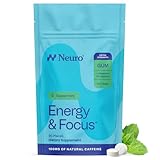
- Fast-Acting Nootropic - Our energy supplements deliver an extra boost of energy and clarity with a blend of natural caffeine, L-theanine, and vitamin b6 & b12. Your go-to chewing gum for work, exercise, and daily focus!
- Clean Energy - Each piece of our sugar free gum delivers 100mg of natural caffeine from green coffee beans for a smooth energy boost without crashes or jitters.
- The Perfect Balance - With 60mg of L-theanine per piece, our energy and focus formula promotes enhanced focus and stress reduction to smooth energy boosts.
- How to Use - Chew one piece of the caffeine gum whenever focus or energy is lacking. Ideal for mornings, pre-workout, or afternoon slumps. Effects typically kick in within minutes thanks to optimal absorption through the mouth.
- Made by Neuro, Backed by Science - At Neuro, we combine neuroscience with clean, science backed ingredients to help you do more, think better, and feel your best every single day.
What affects the result
- Caffeine Content: Different coffees have different amounts of caffeine. Dark roasts often have less caffeine than lighter roasts, contrary to popular belief. Espresso shots are concentrated but small.
- Your Sensitivity: Some people are genetically more sensitive to caffeine’s effects. What’s a mild buzz for one person might be a jolt for another.
- Amount Consumed: Drinking one cup is different from chugging a whole pot. More caffeine means a stronger effect.
- Hydration Levels: Being dehydrated can make you feel the effects of caffeine more intensely. Water is your friend.
- Sleep Quality: If you’re already sleep-deprived, caffeine can amplify feelings of jitters and heart rate changes. Get some rest!
- Underlying Health Conditions: Pre-existing heart conditions or anxiety disorders can make you more prone to noticing or experiencing palpitations.
- Other Stimulants: Combining coffee with energy drinks or certain medications can increase the overall stimulant load.
- Stress and Anxiety: If you’re already feeling stressed, caffeine can exacerbate those feelings, leading to perceived palpitations.
- Food Intake: Having food in your stomach can slow down caffeine absorption.
- Metabolism: How quickly your body processes caffeine varies from person to person.
- Brewing Method: While less common, some brewing methods might extract slightly different compounds, though caffeine is the main player.
- Freshness of Beans: While more about flavor, very stale beans might have slightly altered chemical profiles, but this is a minor factor for palpitations.
To truly understand how coffee affects your heart, consider using a heart rate monitor to track your pulse before and after your morning cup.

- ACCURATE AND RELIABLE - Accurately determines your SpO2 (blood oxygen saturation levels), pulse rate and pulse strength in 10 seconds and displays it conveniently on a large digital LED display.
- FULL SPO2 VALUE - The ONLY LED pulse oximeter that can read and display SpO2 up to 100%.
- SPORTS/HEALTH ENTHUSIASTS - For sports enthusiasts like mountain climbers, skiers, bikers, and anyone needing to monitor their SpO2 and pulse rate. The pulse oximeter LED display faces the user for an easy read.
- ACCOMODATES WIDE RANGE OF FINGER SIZES - Finger chamber with SMART Spring System. Works for ages 12 and above.
- LOADED WITH ACCESSORIES - Includes 2 x AAA BATTERIES, allowing the pulse oximeter to be used right out of the box; a SILICONE COVER to protect from dirt and physical damage; and a LANYARD for convenience. Comes with a 12-month WARRANTY and USA based technical phone support.
Pros, cons, and when it matters
- Pro: Increased alertness and focus. This is why most of us drink it.
- Pro: Improved physical performance. Great for that morning workout.
- Con: Can cause anxiety and jitters. Not ideal before a big meeting.
- Con: May lead to palpitations or a racing heart. This is the main concern here.
- Con: Can disrupt sleep if consumed too late. Burning the candle at both ends is rough.
- Con: Can cause digestive issues for some. Acid reflux, anyone?
- Pro: Rich in antioxidants. Good for you in moderation.
- Con: Withdrawal symptoms can occur if you stop suddenly. Headaches are a common one.
- When it matters: If you have a diagnosed heart condition. Always consult your doctor.
- When it matters: If palpitations are frequent, severe, or accompanied by other symptoms like chest pain or dizziness. That’s not normal.
- When it matters: If you’re highly sensitive to caffeine. You might want to stick to decaf or herbal tea.
- When it matters: If you’re trying to manage anxiety. Caffeine can be a trigger.
Common misconceptions
- Myth: Dark roast coffee has more caffeine. Actually, lighter roasts usually have slightly more caffeine by volume because they’re denser.
- Myth: Palpitations from coffee are always dangerous. For most healthy people, they are a benign side effect of caffeine.
- Myth: You need to cut out coffee entirely. Often, reducing intake or switching to lower-caffeine options is enough.
- Myth: Only weak coffee causes palpitations. It’s the caffeine content, not necessarily the “strength” in terms of flavor.
- Myth: Palpitations mean you have a serious heart problem. While possible, caffeine is a very common culprit for temporary, harmless palpitations.
- Myth: Decaf coffee has zero caffeine. Decaf still contains a small amount of caffeine, usually around 97% less than regular.
- Myth: Palpitations are always a sign of a bad reaction. Sometimes it’s just your body responding normally to a stimulant.
- Myth: Eating food prevents palpitations. Food slows absorption, but doesn’t eliminate the caffeine’s effect.
- Myth: You’ll feel palpitations immediately after drinking coffee. The effects can sometimes be delayed.
- Myth: Everyone feels caffeine the same way. Individual sensitivity is huge.
FAQ
Does coffee make your heart flutter?
Yes, for some people, the caffeine in coffee can act as a stimulant, causing a temporary increase in heart rate or a sensation of fluttering.
Is it bad if my heart flutters after coffee?
Usually, it’s not bad if you’re otherwise healthy and the fluttering is mild and goes away quickly. However, if it’s severe or persistent, check with a doctor.
How much coffee is too much for my heart?
This varies greatly. For most healthy adults, up to 400 milligrams of caffeine (about 4 cups of brewed coffee) per day is considered safe. Listen to your body.
Can I drink coffee if I have heart palpitations?
If your doctor hasn’t advised against it and your palpitations are mild and infrequent, you might be able to enjoy coffee in moderation. Always discuss with your healthcare provider.
What are the symptoms of too much caffeine?
Symptoms can include jitters, anxiety, racing heart, insomnia, digestive issues, and headaches. Palpitations can also occur.
Should I switch to decaf if coffee makes my heart flutter?
Decaf coffee significantly reduces caffeine intake, which can help if caffeine is the cause of your palpitations. It’s a good option to try.
What else can cause heart palpitations besides coffee?
Many things can cause palpitations, including stress, anxiety, dehydration, lack of sleep, certain medications, and underlying medical conditions.
When should I see a doctor about heart palpitations?
See a doctor if palpitations are frequent, last a long time, are severe, or are accompanied by chest pain, shortness of breath, dizziness, or fainting.
What this page does NOT cover (and where to go next)
- Specific medical advice for heart conditions. Consult a healthcare professional for diagnosis and treatment.
- Detailed breakdowns of caffeine content in every single coffee bean and roast. Check with your roaster or coffee shop.
- The science behind specific arrhythmias. For in-depth cardiac medical information, consult a cardiologist.
- Recommendations for specific medications or supplements to manage heart rate. Always talk to your doctor first.