
Coffee and Heart Palpitations: Why Your Heart Races
Quick answer
- Caffeine is the primary stimulant in coffee that can affect heart rate.
- For most people, moderate coffee consumption is unlikely to cause significant heart palpitations.
- Individual sensitivity to caffeine varies greatly.
- Underlying health conditions can amplify the effects of caffeine.
- If you experience frequent or concerning palpitations, consult a healthcare professional.
- Reducing caffeine intake is a common recommendation for managing palpitations.
Key terms and definitions
- Caffeine: A natural stimulant found in coffee beans that affects the central nervous system.
- Heart Palpitations: A sensation that your heart is beating too hard, too fast, fluttering, or skipping beats.
- Stimulant: A substance that increases activity in the central nervous system.
- Adenosine: A neurotransmitter that promotes relaxation and sleepiness; caffeine blocks its effects.
- Adrenaline: A hormone that increases heart rate and blood pressure, often released in response to stress or stimulants.
- Electrolytes: Minerals like potassium and sodium that are crucial for proper heart function.
- Arrhythmia: An irregular heartbeat, which can range from mild to severe.
- Dehydration: Insufficient fluid in the body, which can sometimes contribute to palpitations.
- Sensitivity: The degree to which an individual reacts to a substance like caffeine.
- Moderation: Consuming coffee or caffeine in quantities generally considered safe and unlikely to cause adverse effects.
How it works
- Coffee contains caffeine, a well-known stimulant.
- Caffeine works by blocking adenosine receptors in the brain.
- Adenosine normally slows down nerve cell activity and promotes relaxation.
- By blocking adenosine, caffeine increases alertness and can stimulate the release of adrenaline.
- Adrenaline is the “fight or flight” hormone, which can increase heart rate and blood pressure.
- This heightened physiological response can, in some individuals, lead to a feeling of racing or fluttering heartbeats, commonly known as palpitations.
- The effect is dose-dependent; more caffeine generally leads to a stronger response.
- Individual metabolism also plays a role in how quickly caffeine is processed and its effects subside.
- Other compounds in coffee, though less potent than caffeine, might also contribute to physiological responses.
- The overall impact is a temporary increase in the heart’s workload and perceived rhythm.
While coffee is a common source, remember that caffeine is also available in supplement form. If you’re looking to manage your caffeine intake precisely, consider exploring caffeine supplements.
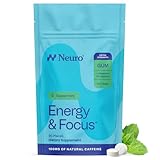
- Fast-Acting Nootropic - Our energy supplements deliver an extra boost of energy and clarity with a blend of natural caffeine, L-theanine, and vitamin b6 & b12. Your go-to chewing gum for work, exercise, and daily focus!
- Clean Energy - Each piece of our sugar free gum delivers 100mg of natural caffeine from green coffee beans for a smooth energy boost without crashes or jitters.
- The Perfect Balance - With 60mg of L-theanine per piece, our energy and focus formula promotes enhanced focus and stress reduction to smooth energy boosts.
- How to Use - Chew one piece of the caffeine gum whenever focus or energy is lacking. Ideal for mornings, pre-workout, or afternoon slumps. Effects typically kick in within minutes thanks to optimal absorption through the mouth.
- Made by Neuro, Backed by Science - At Neuro, we combine neuroscience with clean, science backed ingredients to help you do more, think better, and feel your best every single day.
What affects the result
- Caffeine Content: Different coffee beans and brewing methods yield varying caffeine levels per cup.
- Individual Sensitivity: Genetic factors and regular caffeine consumption influence how sensitive you are to its effects.
- Amount Consumed: Drinking multiple cups of coffee in a short period increases the total caffeine intake.
- Brewing Method: Espresso, drip coffee, and cold brew can have different caffeine concentrations.
- Freshness of Coffee Beans: While not directly impacting caffeine’s stimulant effect, freshness influences overall flavor and aroma, which can indirectly affect perception.
- Water Quality and Temperature: While crucial for taste, they have a minimal direct impact on caffeine’s physiological effects.
- Grind Size: Affects extraction rate, which can slightly alter the final caffeine concentration in the cup.
- Ratio of Coffee to Water: A stronger brew (more coffee grounds per water) will result in a higher caffeine concentration.
- Time of Day: Consuming coffee close to bedtime can disrupt sleep, and poor sleep can sometimes exacerbate palpitations.
- Other Stimulants: Combining coffee with other sources of caffeine (like energy drinks or certain teas) can amplify effects.
- Hydration Levels: Being dehydrated can sometimes make you more aware of your heart’s rhythm.
- Underlying Health Conditions: Pre-existing heart conditions or anxiety disorders can make one more prone to palpitations from caffeine.
The article mentions that hydration levels can play a role in how aware you are of your heart’s rhythm. Ensuring you’re adequately hydrated, perhaps with the help of hydration supplements, can be a simple step to consider.

- FAST & EFFECTIVE HYDRATION: Combat dehydration with our science-based electrolyte powder formula that hydrates faster than water alone. Perfect for sports, outdoor activities, and hot days.
- 3X ELECTROLYTES & ½ THE SUGAR: Our precise formula activates a hydration shortcut, delivering essential electrolytes with less sugar than leading sports drinks. A great-tasting hydration powder that's easy to drink and mix.
- HEALTH-CONSCIOUS FORMULA: Non-GMO, Gluten-Free, Vegan, Soy-Free, Dairy-Free and Kosher. Our hydration packets include essential nutrients like potassium, magnesium, zinc, and vitamin C for added immune support. Natural colors derived from sources including fruit and vegetable juices, turmeric, spirulina extract, and beta carotene. No FD&C colors ever (no Red 40).
- CONVENIENT SINGLE-SERVE PACKETS: 16 portable electrolytes powder packets perfect to rehydrate on-the-go. Ideal for travel, sports activities, and daily use. Mix 1 packet into 8 oz of water for effective hydration.
- TRUSTED BRAND WITH A MISSION: Created by a doctor, DripDrop is a groundbreaking innovation that earned a Mayo Clinic Humanitarian Award. As a Public Benefit Company, every purchase supports our mission to defeat dehydration with global donations of our product.
Pros, cons, and when it matters
- Pro: Increased Alertness and Focus: Coffee can temporarily improve concentration and reduce fatigue, which is beneficial for tasks requiring sustained attention.
- Con: Potential for Palpitations: For sensitive individuals, caffeine can trigger uncomfortable heart fluttering or racing sensations.
- Pro: Antioxidant Properties: Coffee contains antioxidants that may offer health benefits over the long term.
- Con: Sleep Disruption: Consuming coffee, especially later in the day, can interfere with sleep quality.
- Pro: Social Ritual: Coffee drinking is a common social activity and a pleasant daily ritual for many.
- Con: Digestive Issues: Some people experience heartburn or stomach upset from coffee.
- Pro: Mood Enhancement: Caffeine can temporarily boost mood and reduce feelings of depression for some.
- Con: Dependence and Withdrawal: Regular high intake can lead to caffeine dependence, with withdrawal symptoms like headaches if stopped.
- Pro: May Improve Physical Performance: Caffeine is often used by athletes to enhance endurance and performance.
- Con: Exacerbation of Anxiety: For those prone to anxiety, coffee can sometimes worsen symptoms, including perceived heart racing.
- When it Matters: It matters significantly if you have a diagnosed heart condition, are pregnant, or are highly sensitive to stimulants. It also matters if palpitations are persistent, severe, or accompanied by other symptoms like chest pain or dizziness.
- When it Matters Less: For most healthy adults with moderate caffeine intake, occasional mild palpitations are usually not a cause for significant concern, especially if they subside quickly after consumption.
Common misconceptions
- Myth: All coffee causes heart palpitations. Reality: Sensitivity varies greatly; many people drink coffee without experiencing palpitations.
- Myth: Palpitations from coffee are always dangerous. Reality: For most healthy individuals, caffeine-induced palpitations are temporary and benign, though they can be unsettling.
- Myth: Decaf coffee is completely free of caffeine. Reality: Decaffeinated coffee still contains trace amounts of caffeine, though significantly less than regular coffee.
- Myth: Only strong coffee causes palpitations. Reality: Even moderate amounts of caffeine can trigger palpitations in highly sensitive individuals.
- Myth: Palpitations mean you have a serious heart problem. Reality: While they can be a symptom, palpitations have many benign causes, including caffeine.
- Myth: You can build complete immunity to caffeine’s effects. Reality: Tolerance can develop, reducing the intensity of effects, but a complete lack of response is rare.
- Myth: Coffee is the only culprit for heart racing. Reality: Many other sources of caffeine exist, and stress, dehydration, and other factors can also cause palpitations.
- Myth: Palpitations are always a sign of an irregular heartbeat (arrhythmia). Reality: Palpitations are a sensation, and while they can be linked to arrhythmias, they often have other causes.
- Myth: Cold brew coffee has less caffeine. Reality: Cold brew typically has more caffeine per ounce due to a higher coffee-to-water ratio and longer steeping time, though it can be diluted.
- Myth: If you don’t feel jittery, coffee won’t affect your heart. Reality: Cardiovascular effects can occur even without noticeable jitters or anxiety.
FAQ
Can coffee directly cause heart disease?
For most healthy individuals, moderate coffee consumption is not linked to an increased risk of heart disease. Some studies even suggest potential cardiovascular benefits. However, if you have pre-existing heart conditions, it’s best to discuss your coffee intake with your doctor.
How much coffee is too much?
General guidelines suggest that up to 400 milligrams of caffeine per day (about 4 cups of brewed coffee) is safe for most healthy adults. However, this varies significantly based on individual sensitivity. If you experience palpitations, you may need to consume less.
What if I experience palpitations after drinking coffee?
If you experience palpitations, try reducing your coffee intake or switching to decaf. Ensure you are well-hydrated and avoid other stimulants. If palpitations are frequent, severe, or accompanied by other concerning symptoms, seek medical advice.
If you’re experiencing palpitations, keeping track of your heart rate can be insightful. A reliable heart rate monitor can help you understand your body’s response to coffee and other factors.

- ACCURATE AND RELIABLE - Accurately determines your SpO2 (blood oxygen saturation levels), pulse rate and pulse strength in 10 seconds and displays it conveniently on a large digital LED display.
- FULL SPO2 VALUE - The ONLY LED pulse oximeter that can read and display SpO2 up to 100%.
- SPORTS/HEALTH ENTHUSIASTS - For sports enthusiasts like mountain climbers, skiers, bikers, and anyone needing to monitor their SpO2 and pulse rate. The pulse oximeter LED display faces the user for an easy read.
- ACCOMODATES WIDE RANGE OF FINGER SIZES - Finger chamber with SMART Spring System. Works for ages 12 and above.
- LOADED WITH ACCESSORIES - Includes 2 x AAA BATTERIES, allowing the pulse oximeter to be used right out of the box; a SILICONE COVER to protect from dirt and physical damage; and a LANYARD for convenience. Comes with a 12-month WARRANTY and USA based technical phone support.
Are some people naturally more sensitive to caffeine?
Yes, individual sensitivity to caffeine is largely determined by genetics. Some people metabolize caffeine more slowly, leading to prolonged and more intense effects, including a greater likelihood of experiencing palpitations.
Does caffeine affect everyone’s heart rate the same way?
No, caffeine affects individuals differently. Factors like genetics, body weight, metabolism, and regular caffeine consumption all influence how your heart rate responds to caffeine.
Can stress make me more prone to palpitations from coffee?
Yes, stress can increase your sensitivity to caffeine’s effects. When you are stressed, your body may be more reactive to stimulants, potentially leading to more noticeable palpitations even with moderate coffee intake.
Is it safe to drink coffee if I have a history of arrhythmias?
If you have a history of arrhythmias or other heart conditions, it is crucial to consult your cardiologist before consuming coffee. They can advise you on whether caffeine is safe for you and what amount, if any, is appropriate.
What are other common triggers for heart palpitations besides coffee?
Besides caffeine, other common triggers include stress, anxiety, dehydration, lack of sleep, certain medications, alcohol, nicotine, and intense physical exertion.
What this page does NOT cover (and where to go next)
- Specific medical advice for diagnosed heart conditions. Consult a healthcare professional for personalized guidance.
- Detailed pharmacological explanations of caffeine’s interaction with specific neurotransmitters beyond a general overview. For in-depth scientific details, consult medical literature.
- Nutritional content of coffee beyond caffeine. For a breakdown of other compounds, refer to nutritional databases.
- Recommendations for specific brands or types of coffee. Explore different coffee options based on your taste preferences and brewing methods.