
Can Regular Coffee Actually Make You Sleepy?
Quick answer
- For most people, the caffeine in regular coffee is a stimulant that promotes wakefulness, not sleepiness.
- However, a small percentage of individuals may experience a paradoxical effect, feeling tired after drinking coffee.
- This can be due to a genetic predisposition affecting caffeine metabolism or sensitivity.
- The “crash” after the initial caffeine buzz can also lead to feelings of fatigue.
- Other factors like dehydration or the body’s response to the acidity of coffee might play a role.
- If you consistently feel sleepy after coffee, it’s worth exploring these potential causes.
Key terms and definitions
- Caffeine: A natural stimulant found in coffee beans that affects the central nervous system.
- Adenosine: A neurotransmitter that promotes relaxation and sleepiness; caffeine blocks its receptors.
- Stimulant: A substance that increases physiological or nervous activity.
- Paradoxical Effect: An effect that is the opposite of what is normally expected.
- Metabolism: The chemical processes that occur within a living organism in order to maintain life.
- Genetics: The study of heredity and the variation of inherited characteristics.
- Caffeine Crash: The period of fatigue that can follow the initial energizing effects of caffeine.
- Acidity: The level of acid in a substance, which can affect taste and digestion.
- Dehydration: A condition where the body loses more fluid than it takes in.
- Placebo Effect: A beneficial effect produced by a placebo drug or treatment, which cannot be attributed to the properties of the placebo itself, and must therefore be due to the patient’s belief in that treatment.
How it works
- Coffee beans contain caffeine, a naturally occurring stimulant.
- When you drink coffee, caffeine is absorbed into your bloodstream.
- Caffeine travels to your brain and blocks adenosine receptors.
- Adenosine is a chemical that builds up in your brain throughout the day and signals sleepiness.
- By blocking adenosine, caffeine prevents you from feeling tired and promotes alertness.
- This process leads to the well-known energizing effects of coffee.
- For most people, this stimulation overrides any potential for sleepiness.
- However, individual responses can vary significantly.
Caffeine works by blocking adenosine receptors in your brain. If you’re curious about how this mechanism functions, you might find adenosine blockers interesting.

- TalkTools Jaw Grading Bite Blocks are essential in OPT, supporting various clinical needs, from symmetrical jaw strength to stability and grading. They also help assess and treat conditions like articulation, apraxia, dysarthria, and OMDs
- Comprehensive Therapy Aid: Specially made for weak jaw muscles, these blocks are crucial for speech and feeding evaluations. They help with muscle memory and are essential for therapists treating different disorders
- Efficient Kit: Includes two sets of six Bite Blocks and an instruction booklet. Emphasizes reusability, durability, and easy cleaning for continuous therapist support
- Safe Clinical Environment: These biting blocks maintain patient comfort and prevent unnecessary fatigue during dental procedures. Their design keeps jaws apart for efficient clinical outcomes
- Orthodontic Support: Use biting blocks to prevent upper and lower teeth contact during orthodontic treatment, reducing the risk of bracket breakage and improving bite
What affects the result
- Individual Genetics: Some people have genetic variations that affect how quickly or slowly their body metabolizes caffeine. This can influence how long the stimulant effect lasts and whether a “crash” occurs.
- Caffeine Sensitivity: Not everyone has the same level of sensitivity to caffeine. Those who are less sensitive might need more to feel an effect, while those who are highly sensitive might experience jitters or anxiety.
- Adenosine Receptor Density: The number and sensitivity of adenosine receptors in your brain can differ, impacting how effectively caffeine can block them and produce wakefulness.
- Amount of Caffeine Consumed: A larger dose of caffeine will generally have a stronger stimulant effect. Conversely, a very small amount might have a negligible impact.
- Time of Day: Drinking coffee late in the day can interfere with your natural sleep-wake cycle, leading to feelings of tiredness later when the caffeine wears off.
- Hydration Levels: Dehydration can mimic symptoms of fatigue. If you’re not drinking enough water, the caffeine might exacerbate feelings of tiredness rather than combat them.
- Food Consumption: Drinking coffee on an empty stomach can lead to faster absorption of caffeine, potentially intensifying its effects and subsequent crash. Having food can slow absorption.
- Acidity of Coffee: For some individuals, the acidity of coffee can cause digestive upset, which might indirectly lead to feelings of discomfort or fatigue.
- Tolerance: Regular coffee drinkers may develop a tolerance to caffeine, meaning they need more to achieve the same stimulating effect.
- Other Ingredients: Adding sugar or cream can affect blood sugar levels, which can also influence energy and subsequent fatigue.
- Quality of Sleep: If you are already sleep-deprived, coffee might only provide a temporary boost, and the underlying fatigue will eventually surface.
- Brewing Method: While less common, some brewing methods might extract slightly different compounds that could influence the overall experience, though caffeine content is the primary driver.
Dehydration can mimic fatigue, and it’s mentioned as a factor that might influence how you feel after coffee. Ensuring you’re properly hydrated is key, and hydration supplements can be helpful for some.

- FAST HYDRATION: Science-based electrolyte powder formula hydrates faster than water alone; useful to rehydrate on-the-go for athletes, sports, outdoor activities, travel, and hot days.
- ELECTROLYTE FORMULA: Delivers 3x electrolytes and half the sugar than leading sports drinks in a portable, easy-mix great tasting hydration powder.
- INGREDIENT-CONSCIOUS: Non-GMO, Gluten Free, Vegan, Soy-Free, Dairy-Free, and Kosher; includes potassium, magnesium, zinc, and vitamin C for added immune support, with natural colors from fruit and vegetable juices.
- SINGLE-SERVE CONVENIENCE: Includes 16 portable electrolyte packets that are easy to carry in a gym bag, backpack, purse, desk or pantry; a simple way to keep hydration packets on hand for daily use, workouts, commuting, and travel days.
- DELICIOUS FLAVOR: Men's Journal Fitness Award for the Best-Tasting Hydration Drink. Enjoy Watermelon, Berry, Lemon, and Orange flavors in one pouch. Mix 1 packet into 8 oz of water for on-the-go hydration.
Individual genetics and caffeine sensitivity play a big role in how you react to coffee. For those looking to precisely control their intake, caffeine supplements can offer a more consistent way to manage dosage.
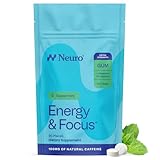
- Fast-Acting Nootropic - Our energy supplements deliver an extra boost of energy and clarity with a blend of natural caffeine, L-theanine, and vitamin b6 & b12. Your go-to chewing gum for work, exercise, and daily focus!
- Clean Energy - Each piece of our sugar free gum delivers 100mg of natural caffeine from green coffee beans for a smooth energy boost without crashes or jitters.
- The Perfect Balance - With 60mg of L-theanine per piece, our energy and focus formula promotes enhanced focus and stress reduction to smooth energy boosts.
- How to Use - Chew one piece of the caffeine gum whenever focus or energy is lacking. Ideal for mornings, pre-workout, or afternoon slumps. Effects typically kick in within minutes thanks to optimal absorption through the mouth.
- Made by Neuro, Backed by Science - At Neuro, we combine neuroscience with clean, science backed ingredients to help you do more, think better, and feel your best every single day.
Pros, cons, and when it matters
- Pro: Increased Alertness: The primary benefit is enhanced wakefulness and improved focus, crucial for tasks requiring concentration. This matters when you need to be productive or attentive.
- Con: Potential for Anxiety and Jitters: Too much caffeine, or sensitivity, can lead to nervousness, shaking, and racing thoughts. This is a con when you need a calm state of mind.
- Pro: Improved Physical Performance: Caffeine can boost endurance and reduce perceived exertion during exercise. This is beneficial for athletes or those engaging in physical activity.
- Con: Sleep Disruption: Consuming caffeine too close to bedtime can significantly impair sleep quality and duration. This is a major con if you struggle with insomnia or value restful sleep.
- Pro: Mood Enhancement: For many, coffee can provide a temporary mood lift and sense of well-being. This matters on days when you need an emotional pick-me-up.
- Con: Digestive Issues: The acidity and caffeine can trigger heartburn or upset stomachs in sensitive individuals. This is a con if you have a sensitive digestive system.
- Pro: Antioxidant Properties: Coffee contains antioxidants that may offer health benefits. This is a general pro for regular consumption as part of a balanced diet.
- Con: Dependence and Withdrawal: Regular high intake can lead to physical dependence, with withdrawal symptoms like headaches and fatigue if consumption stops. This is a con for those who wish to avoid dependency.
- Pro: Social Ritual: Coffee often serves as a social lubricant and a comforting daily ritual. This matters for social connection and personal comfort.
- Con: Paradoxical Sleepiness: For a small minority, coffee can paradoxically induce sleepiness, negating its intended effect. This is a significant con if it happens to you.
- Pro: Enhanced Cognitive Function: Studies suggest caffeine can improve certain aspects of cognitive function, such as memory and reaction time. This is a pro for mental tasks.
- Con: Dehydration Risk: Caffeine is a mild diuretic, meaning it can increase urine production. While usually not significant, it’s a con if you’re not adequately hydrating.
Common misconceptions
- Myth: Coffee always makes everyone more energetic. While true for most, a small percentage experience the opposite effect due to genetic factors.
- Myth: The “crash” is a sign of coffee’s negative effects. The crash is often a natural dip in energy as caffeine wears off and adenosine rebinds to receptors.
- Myth: Decaf coffee has no caffeine. Decaffeinated coffee still contains trace amounts of caffeine, though significantly less than regular coffee.
- Myth: Adding sugar makes coffee less effective. Sugar can temporarily boost energy by raising blood sugar, but it doesn’t negate caffeine’s stimulant properties.
- Myth: You can “out-drink” fatigue with more coffee. While more caffeine might temporarily mask tiredness, it doesn’t address the underlying need for rest and can lead to worse fatigue later.
- Myth: Coffee is inherently bad for your health. In moderation, coffee is associated with several health benefits for most people.
- Myth: The taste of coffee is directly related to its caffeine content. Some darker roasts with bolder flavors can actually have less caffeine than lighter roasts.
- Myth: Cold brew coffee is always less acidic and less caffeinated. Cold brew is typically less acidic due to the brewing process, but its caffeine content can vary widely and is often higher than hot brewed coffee.
- Myth: Coffee makes you dehydrated. While a mild diuretic, moderate coffee consumption typically doesn’t lead to dehydration for regular drinkers.
- Myth: Everyone metabolizes caffeine the same way. Genetic differences mean caffeine processing varies significantly from person to person.
FAQ
Q1: Why do I feel sleepy after drinking coffee?
For most, caffeine is a stimulant. However, some individuals have genetic variations that cause them to metabolize caffeine differently, leading to a paradoxical effect. Additionally, the subsequent “crash” as caffeine wears off can make you feel tired.
Q2: Is it normal to feel sleepy after coffee?
It’s not the typical response, but it’s not entirely abnormal for a small portion of the population. Your individual biology plays a significant role in how you react to caffeine.
Q3: How can I tell if I’m sensitive to caffeine?
Symptoms of caffeine sensitivity can include jitters, anxiety, rapid heart rate, or difficulty sleeping after consuming even small amounts. If you experience these, you might be sensitive.
Q4: Can the “crash” make me feel more tired than before I drank coffee?
Yes, the rapid drop in energy after the caffeine wears off can sometimes feel more pronounced than the initial fatigue, especially if you’re sleep-deprived.
Q5: Does the type of coffee bean affect sleepiness?
The primary factor is caffeine content. Different beans have varying levels, but the overall effect on sleepiness is more about your personal reaction to caffeine than the bean’s origin.
Q6: What should I do if coffee makes me sleepy?
Consider reducing your intake, avoiding it at certain times of day, ensuring you’re well-hydrated, or exploring other beverages. If it’s a consistent issue, it might be worth discussing with a healthcare provider.
Q7: Is there any scientific evidence for coffee making people sleepy?
While uncommon, some research points to genetic factors influencing caffeine metabolism and receptor sensitivity that could lead to paradoxical reactions.
Q8: Can adding milk or sugar change the effect?
Adding sugar can cause a temporary blood sugar spike and subsequent dip, potentially influencing energy levels. Milk is unlikely to significantly alter caffeine’s stimulant effect.
What this page does NOT cover (and where to go next)
- Specific medical advice for chronic fatigue or sleep disorders. If you have persistent sleep issues, consult a healthcare professional.
- Detailed breakdowns of caffeine content in every specific coffee product or brand. Refer to product packaging or manufacturer information.
- Recommendations for specific coffee brands or brewing equipment. Explore home brewing guides for detailed product comparisons.
- The complex biochemistry of all neurotransmitters and their interaction with caffeine. For deeper scientific understanding, consult specialized physiology resources.
- Nutritional information beyond the general impact of sugar. For detailed nutritional data, refer to dietary resources.