
Can Coffee Cause Headaches? Understanding the Link
Quick Answer
- For many, coffee can alleviate headaches due to caffeine’s vasoconstrictive properties.
- However, for some individuals, coffee can trigger headaches, especially if consumed in excess or if withdrawal occurs.
- Caffeine affects blood flow in the brain, which is a key factor in headache development.
- The amount of caffeine, individual sensitivity, and frequency of consumption all play a role in whether coffee causes headaches.
- Sudden changes in caffeine intake, both increases and decreases, are common headache triggers.
- Staying hydrated and maintaining a consistent caffeine schedule can help manage potential coffee-related headaches.
Key Terms and Definitions
- Caffeine: A natural stimulant found in coffee beans, tea leaves, and cocoa beans, known for its effect on the central nervous system.
- Vasoconstriction: The narrowing of blood vessels, which caffeine can cause. This can be beneficial for some headaches but problematic for others.
- Vasodilation: The widening of blood vessels. Changes in vasodilation and vasoconstriction are linked to headache pain.
- Caffeine Withdrawal: Symptoms experienced when a regular caffeine consumer stops or significantly reduces their intake, often including headaches.
- Migraine: A neurological condition characterized by moderate to severe headaches, often accompanied by nausea, vomiting, and sensitivity to light and sound.
- Tension Headache: The most common type of headache, typically felt as a dull, aching pain on both sides of the head.
- Adenosine Receptors: Proteins in the brain that caffeine blocks, influencing neurotransmitter release and blood vessel tone.
- Dehydration: A state where the body loses more fluid than it takes in, which can be a headache trigger and can be exacerbated by coffee’s diuretic effect.
- Blood Sugar Levels: Fluctuations in blood sugar can impact energy levels and potentially trigger headaches, and coffee can influence these levels.
Caffeine is a natural stimulant found in coffee, but for some, too much can lead to headaches. If you’re looking to manage your caffeine intake without coffee, consider caffeine supplements for a controlled dose.
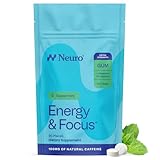
- Fast-Acting Nootropic - Our energy supplements deliver an extra boost of energy and clarity with a blend of natural caffeine, L-theanine, and vitamin b6 & b12. Your go-to chewing gum for work, exercise, and daily focus!
- Clean Energy - Each piece of our sugar free gum delivers 100mg of natural caffeine from green coffee beans for a smooth energy boost without crashes or jitters.
- The Perfect Balance - With 60mg of L-theanine per piece, our energy and focus formula promotes enhanced focus and stress reduction to smooth energy boosts.
- How to Use - Chew one piece of the caffeine gum whenever focus or energy is lacking. Ideal for mornings, pre-workout, or afternoon slumps. Effects typically kick in within minutes thanks to optimal absorption through the mouth.
- Made by Neuro, Backed by Science - At Neuro, we combine neuroscience with clean, science backed ingredients to help you do more, think better, and feel your best every single day.
How Coffee Affects Headaches
- Caffeine’s Vasoconstrictive Action: Caffeine narrows blood vessels in the brain. For headaches caused by dilated blood vessels (like some migraines), this can provide relief.
- Blocking Adenosine: Caffeine binds to adenosine receptors in the brain. Adenosine is a neurotransmitter that can dilate blood vessels; blocking it leads to vasoconstriction.
- Neurotransmitter Influence: By blocking adenosine, caffeine can indirectly affect other neurotransmitters like dopamine and norepinephrine, which can influence mood and pain perception.
- Pain Relief Properties: Caffeine is an ingredient in many over-the-counter pain relievers because of its ability to enhance the effectiveness of analgesics and reduce inflammation.
- Diuretic Effect: Coffee can act as a mild diuretic, meaning it can increase urine production. If fluid intake doesn’t compensate, this can lead to dehydration, a common headache trigger.
- Caffeine Withdrawal Cycle: When you regularly consume caffeine, your body adapts. If you suddenly stop or reduce intake, blood vessels may dilate, leading to withdrawal headaches.
- Blood Sugar Impact: For some, coffee can cause a temporary spike and then a drop in blood sugar, which can trigger headaches.
- Individual Sensitivity: People metabolize caffeine at different rates. Those who are slow metabolizers may experience more pronounced effects, including headaches.
What Affects Whether Coffee Causes Headaches
- Amount of Caffeine Consumed: Drinking several cups of coffee a day significantly increases the likelihood of experiencing either a caffeine-induced headache or a withdrawal headache if you skip your usual dose.
- Frequency of Consumption: Regular, daily coffee drinkers are more prone to withdrawal headaches than occasional drinkers.
- Individual Sensitivity to Caffeine: Genetic factors influence how quickly your body processes caffeine. Some people are highly sensitive and may react to small amounts.
- Hydration Levels: Not drinking enough water alongside coffee can exacerbate its diuretic effect, leading to dehydration headaches.
- Timing of Consumption: Drinking coffee at inconsistent times, or skipping your morning cup, can disrupt your body’s rhythm and trigger headaches.
- Type of Coffee Bean and Roast: While less common, some compounds in different coffee beans or roast levels might affect individuals differently, though caffeine content is the primary driver.
- Additives: Sugar, artificial sweeteners, or milk can affect blood sugar levels or trigger sensitivities in some individuals, potentially contributing to headaches.
- Sleep Quality: Poor sleep can make you more susceptible to headaches, and relying on coffee to combat fatigue might mask or worsen underlying issues.
- Stress Levels: High stress can be a headache trigger, and while coffee might temporarily boost mood, its other effects can sometimes compound stress-related pain.
- Medication Interactions: Certain medications can interact with caffeine, potentially altering its effects or increasing the risk of side effects like headaches.
- Underlying Health Conditions: Conditions like migraines, anxiety, or gastrointestinal issues can make individuals more sensitive to caffeine’s effects.
- Sudden Changes in Diet: Other dietary shifts can influence how your body reacts to caffeine.
Pros, Cons, and When It Matters
- Pro: Headache Relief: For some headaches, particularly those linked to vasodilation, caffeine can provide significant relief by narrowing blood vessels.
- Con: Headache Trigger: For others, especially those sensitive to caffeine or experiencing withdrawal, coffee can be a direct cause of headaches.
- Pro: Enhanced Pain Relief: When combined with pain medication, caffeine can make analgesics more effective, meaning you might need less medication.
- Con: Dependency and Withdrawal: Regular consumption can lead to physical dependence, making it difficult to function without your daily dose, often resulting in withdrawal headaches.
- Pro: Improved Focus and Alertness: Caffeine’s stimulant effect can temporarily improve cognitive function, which can be beneficial for those whose headaches are exacerbated by fatigue or lack of focus.
- Con: Sleep Disruption: Consuming coffee too late in the day can interfere with sleep, and poor sleep is a known headache trigger.
- Pro: Antioxidant Benefits: Coffee contains antioxidants that may offer some health benefits, though this is generally unrelated to immediate headache effects.
- Con: Digestive Issues: For some, coffee can cause stomach upset or acid reflux, which can sometimes manifest as or contribute to headaches.
- Pro: Social Ritual: For many, the act of preparing and drinking coffee is a comforting ritual that can reduce stress, indirectly helping to prevent headaches.
- Con: Dehydration Risk: The diuretic effect of coffee can lead to dehydration if not managed with adequate water intake, which is a common headache cause.
- Pro: Mood Enhancement: Caffeine can temporarily boost mood, which can be helpful when fatigue is contributing to a headache.
- Con: Exacerbation of Anxiety: For individuals prone to anxiety, too much caffeine can increase jitters and unease, potentially triggering tension headaches.
- When it Matters: Understanding your personal reaction is key. If coffee consistently helps your headaches, moderate consumption might be beneficial. If it consistently causes them, reducing or eliminating it is advisable.
The diuretic effect of coffee can lead to dehydration if not managed with adequate water intake, which is a common headache cause. To combat this, consider hydration supplements to ensure you’re replenishing essential electrolytes.

- FAST HYDRATION: Science-based electrolyte powder formula hydrates faster than water alone; useful to rehydrate on-the-go for athletes, sports, outdoor activities, travel, and hot days.
- ELECTROLYTE FORMULA: Delivers 3x electrolytes and half the sugar than leading sports drinks in a portable, easy-mix great tasting hydration powder.
- INGREDIENT-CONSCIOUS: Non-GMO, Gluten Free, Vegan, Soy-Free, Dairy-Free, and Kosher; includes potassium, magnesium, zinc, and vitamin C for added immune support, with natural colors from fruit and vegetable juices.
- SINGLE-SERVE CONVENIENCE: Includes 16 portable electrolyte packets that are easy to carry in a gym bag, backpack, purse, desk or pantry; a simple way to keep hydration packets on hand for daily use, workouts, commuting, and travel days.
- DELICIOUS FLAVOR: Men's Journal Fitness Award for the Best-Tasting Hydration Drink. Enjoy Watermelon, Berry, Lemon, and Orange flavors in one pouch. Mix 1 packet into 8 oz of water for on-the-go hydration.
Common Misconceptions
- Myth: Coffee always causes headaches. In reality, for many people, coffee can relieve headaches due to caffeine’s properties.
- Myth: All headaches are caused by caffeine withdrawal. While withdrawal is a common cause, headaches can stem from numerous factors unrelated to coffee.
- Myth: More caffeine is always better for headache relief. Excessive caffeine can lead to rebound headaches or other negative side effects, worsening the problem.
- Myth: Decaf coffee is completely caffeine-free and won’t cause headaches. Decaffeinated coffee still contains trace amounts of caffeine, which can affect sensitive individuals.
- Myth: Coffee is the only cause of dehydration headaches. Many other factors, like insufficient water intake, heat, or illness, can cause dehydration headaches.
- Myth: If you get a headache after coffee, you must be allergic. Headaches are typically a physiological reaction to caffeine’s effects on the body, not an allergic response.
- Myth: You can never drink coffee if you get headaches. Many people can enjoy coffee in moderation without experiencing headaches by managing intake and staying hydrated.
- Myth: Headaches from coffee are only a problem for heavy drinkers. Even moderate coffee drinkers can experience headaches if they have low tolerance or abruptly change their habits.
- Myth: Black coffee is less likely to cause headaches than coffee with additives. While sugar and cream can cause issues for some, the caffeine content is the primary driver of coffee-related headaches.
FAQ
- Can drinking coffee help a headache?
Yes, for many people, caffeine in coffee can help alleviate headaches. It constricts blood vessels in the brain, which can relieve pain associated with vasodilation. It’s also an ingredient in many over-the-counter headache medications.
- How much coffee is too much if I’m prone to headaches?
This varies greatly by individual. For some, more than one cup can trigger a headache, while others can tolerate several. Pay attention to your body’s signals and consider consulting a healthcare provider for personalized advice.
- What are the symptoms of caffeine withdrawal headaches?
Caffeine withdrawal headaches are typically throbbing and can be accompanied by fatigue, irritability, difficulty concentrating, and nausea. They usually begin 12-24 hours after the last caffeine intake and can last for several days.
- If coffee gives me a headache, should I switch to decaf?
Decaffeinated coffee still contains small amounts of caffeine. If you are very sensitive, even trace amounts might cause issues. It’s worth trying, but if headaches persist, you might need to reduce or eliminate all coffee.
- How can I prevent headaches when drinking coffee?
Stay well-hydrated by drinking plenty of water throughout the day, especially alongside your coffee. Maintain a consistent caffeine schedule and avoid sudden increases or decreases in intake. Consider moderation in your coffee consumption.
- Can coffee interact with my headache medication?
Caffeine can enhance the effects of some pain relievers, which is why it’s often included in them. However, it can also interact with other medications. Always check with your doctor or pharmacist about potential interactions.
- Is it my imagination, or does coffee really cause my headaches?
It’s not your imagination. The physiological effects of caffeine on blood vessels and neurotransmitters can directly cause or trigger headaches in susceptible individuals. Your experience is a valid response to the beverage.
- What should I do if I get a headache after drinking coffee?
Try drinking a glass of water to combat potential dehydration. If you regularly consume caffeine, consider if it might be withdrawal. If it’s a new or recurring issue, reducing your intake or avoiding coffee is a good first step.
What This Page Does Not Cover (and Where to Go Next)
- Specific medical advice for chronic or severe headaches: This page provides general information. For persistent or severe headache issues, consult a healthcare professional.
- Detailed information on different types of headaches: This article focuses on the coffee-headache link. For in-depth knowledge on migraines, tension headaches, or cluster headaches, seek specialized medical resources.
- Brand-specific caffeine content in coffee products: The amount of caffeine can vary significantly by brewing method, bean type, and preparation. Refer to product information or brewing guides for specifics.
- Advanced brewing techniques for optimal flavor: While brewing methods can affect taste, this article is focused on the physiological impact of coffee on headaches, not its culinary aspects.
- Alternative headache remedies: This page explores the role of coffee. For a broader range of headache relief strategies, explore topics like stress management, exercise, and dietary adjustments.