
How Coffee Can Improve Your Focus And Concentration
Quick answer
- Coffee’s primary active compound, caffeine, acts as a stimulant that can enhance alertness and cognitive functions.
- Caffeine blocks adenosine, a neurotransmitter that promotes relaxation and sleepiness, leading to increased wakefulness.
- Studies suggest caffeine can improve attention span, reaction time, and certain aspects of memory.
- The effects are dose-dependent; too much caffeine can lead to jitters and decreased focus.
- Individual responses to caffeine vary significantly due to genetics and tolerance.
- For optimal focus benefits, consider the timing of your coffee consumption and avoid late-day intake.
For a direct boost, consider caffeine supplements, which offer a concentrated dose of the stimulant without the bulk of coffee.
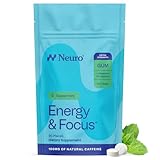
- Fast-Acting Nootropic - Our energy supplements deliver an extra boost of energy and clarity with a blend of natural caffeine, L-theanine, and vitamin b6 & b12. Your go-to chewing gum for work, exercise, and daily focus!
- Clean Energy - Each piece of our sugar free gum delivers 100mg of natural caffeine from green coffee beans for a smooth energy boost without crashes or jitters.
- The Perfect Balance - With 60mg of L-theanine per piece, our energy and focus formula promotes enhanced focus and stress reduction to smooth energy boosts.
- How to Use - Chew one piece of the caffeine gum whenever focus or energy is lacking. Ideal for mornings, pre-workout, or afternoon slumps. Effects typically kick in within minutes thanks to optimal absorption through the mouth.
- Made by Neuro, Backed by Science - At Neuro, we combine neuroscience with clean, science backed ingredients to help you do more, think better, and feel your best every single day.
Key terms and definitions
- Caffeine: A natural stimulant found in coffee beans that affects the central nervous system.
- Adenosine: A neurotransmitter that plays a role in sleep regulation and relaxation.
- Stimulant: A substance that increases physiological or nervous activity.
- Neurotransmitter: A chemical messenger that transmits signals from a neuron across a synapse to a target cell.
- Cognitive Function: Mental processes such as thinking, learning, remembering, and problem-solving.
- Alertness: The state of being watchful and responsive to stimuli.
- Reaction Time: The interval between the presentation of a stimulus and the initiation of a response.
- Tolerance: A condition in which a person’s body becomes accustomed to a drug, requiring larger doses to achieve the same effect.
- Withdrawal: Symptoms that occur when a person stops taking a drug to which they have become dependent.
- Placebo Effect: A beneficial effect produced by a placebo drug or treatment, which cannot be attributed to the properties of the placebo itself, and must therefore be due to the patient’s belief in that treatment.
How it works
- Coffee contains caffeine, a psychoactive compound that is the primary driver of its focus-enhancing effects.
- Caffeine molecules are structurally similar to adenosine, a neurotransmitter that builds up in your brain throughout the day.
- Adenosine binds to specific receptors in your brain, signaling relaxation and promoting sleepiness.
- When you consume coffee, caffeine competes with adenosine for these receptors.
- Caffeine binds to adenosine receptors, effectively blocking adenosine from signaling your brain to slow down.
- This blockade leads to increased activity of other neurotransmitters, such as dopamine and norepinephrine.
- Dopamine is associated with pleasure and motivation, while norepinephrine is linked to alertness and attention.
- The combined effect of blocking adenosine and increasing other neurotransmitters results in heightened alertness, improved concentration, and faster cognitive processing.
- This physiological response is what allows coffee to temporarily sharpen your focus and combat feelings of fatigue.
What affects the result
- Coffee Bean Type: Different bean varieties (e.g., Arabica, Robusta) have varying caffeine content. Robusta beans generally have significantly more caffeine.
- Roast Level: Lighter roasts tend to retain more caffeine than darker roasts, although the difference is often subtle.
- Brewing Method: Methods like espresso and cold brew can extract higher concentrations of caffeine per serving due to longer contact times or pressure.
- Grind Size: A finer grind increases the surface area, allowing for more efficient extraction of caffeine during brewing.
- Water Temperature: Optimal brewing temperatures (typically between 195°F and 205°F) ensure proper extraction of caffeine and other compounds without burning the coffee.
- Brewing Time: Longer contact between water and coffee grounds generally leads to more caffeine extraction.
- Coffee-to-Water Ratio: Using more coffee grounds relative to water will result in a more concentrated brew with more caffeine.
- Freshness of Coffee: Stale coffee may lose some of its volatile compounds, potentially affecting the overall sensory experience, though caffeine content remains relatively stable.
- Individual Genetics: Genetic variations influence how quickly your body metabolizes caffeine, affecting how long its effects last and their intensity.
- Tolerance: Regular coffee drinkers develop a tolerance, meaning they need more caffeine to achieve the same level of focus.
- Hydration Levels: Dehydration can mimic some symptoms of fatigue, potentially diminishing the perceived focus benefits of coffee.
- Time of Day: Consuming coffee too close to bedtime can disrupt sleep patterns, negatively impacting focus and cognitive function the following day.
The way you brew your coffee can significantly impact its caffeine content. Exploring different coffee brewing methods can help you optimize your intake.

- Pour Over Coffee: Manual Pour Over Coffee Maker allows you to brew an excellent cup of Coffee in minutes
- Stainless steel: Includes a new and improved permanent, stainless steel mesh filter that helps extract your coffee's aromatic oils and subtle flavors instead of being absorbed by a paper filter
- Coffee Carafe: Made of durable, heat-resistant borosilicate glass with Cork Band detailing that is both functional and elegant; single wall
- Quick and Easy: Simply add coarse ground Coffee to filter, pour a small amount of water in a circular motion over ground Coffee until soaked then add the remaining water and let drip
- Servings: Pour Over Coffee Maker makes 8 cups of Coffee, 4 oz each; dishwasher safe
Pros, cons, and when it matters
- Pro: Enhanced Alertness: Coffee can quickly make you feel more awake and less drowsy, ideal for starting your day or overcoming an afternoon slump.
- Con: Jitters and Anxiety: Consuming too much caffeine can lead to restlessness, nervousness, and an inability to concentrate due to overstimulation.
- Pro: Improved Cognitive Performance: For many, coffee can sharpen focus, improve attention span, and speed up reaction times, beneficial for tasks requiring concentration.
- Con: Sleep Disruption: Caffeine has a long half-life, meaning it can interfere with sleep if consumed too late in the day, leading to a cycle of fatigue and reliance on coffee.
- Pro: Mood Enhancement: The stimulating effects of caffeine can also lead to a temporary improvement in mood and a sense of well-being.
- Con: Dependence and Withdrawal: Regular, high consumption can lead to physical dependence, with symptoms like headaches and fatigue occurring during withdrawal.
- Pro: Accessibility and Affordability: Coffee is widely available and relatively inexpensive, making it an easy and cost-effective way to boost focus.
- Con: Digestive Issues: For some individuals, coffee can cause stomach upset, heartburn, or other digestive discomforts.
- Pro: Social Ritual: The act of preparing and drinking coffee can be a relaxing ritual that helps transition into a focused work session.
- Con: Masking Fatigue: Coffee can mask underlying fatigue, leading you to push yourself beyond your limits without addressing the root cause of tiredness.
- Pro: Specific Task Performance: For tasks requiring vigilance or sustained attention, coffee can provide a temporary edge.
- Con: Diminishing Returns: Beyond a certain point, more caffeine does not necessarily lead to better focus and can, in fact, impair performance.
Common misconceptions
- Myth: Coffee is purely dehydrating. While caffeine has a mild diuretic effect, moderate coffee consumption typically does not lead to significant dehydration for most people.
- Myth: All coffee has the same amount of caffeine. Caffeine content varies greatly depending on the bean type, roast, and brewing method.
- Myth: Darker roasts have more caffeine. In fact, lighter roasts generally retain slightly more caffeine than darker roasts, as the roasting process burns off some of the caffeine.
- Myth: Coffee instantly makes you smarter. Caffeine enhances existing cognitive abilities like focus and alertness, but it doesn’t increase your underlying intelligence.
- Myth: You need coffee to be productive. Many people can achieve high levels of focus and productivity without caffeine through good sleep, nutrition, and time management.
- Myth: Coffee is bad for your heart. For most healthy adults, moderate coffee consumption is not associated with an increased risk of heart disease.
- Myth: You’ll always get the jitters from coffee. The amount of caffeine, individual sensitivity, and tolerance all play a role in whether you experience jitters.
- Myth: Coffee is only good for waking up. Coffee can also be used strategically to improve focus during specific tasks or periods of the day.
- Myth: Cold brew coffee has less caffeine. Cold brew often has a higher concentration of caffeine due to the higher coffee-to-water ratio and longer steeping time.
FAQ
Q: How much coffee should I drink for focus?
A: For most adults, up to 400 milligrams of caffeine per day (about 3-4 cups of brewed coffee) is generally considered safe and can support focus. Individual tolerance varies, so start low and see how you feel.
Q: Will coffee make me more alert instantly?
A: Caffeine typically begins to affect your body within 15-45 minutes of consumption, with peak effects often felt within an hour. The feeling of alertness can last for several hours.
Q: Can coffee improve memory?
A: Some research suggests that caffeine can enhance certain aspects of memory, particularly short-term recall and consolidation, but it’s not a magic bullet for memory improvement.
Q: What happens if I drink too much coffee?
A: Excessive caffeine intake can lead to negative side effects like anxiety, jitters, rapid heartbeat, digestive issues, and difficulty concentrating due to overstimulation.
Q: Does coffee help with concentration on complex tasks?
A: Yes, coffee can help improve sustained attention and concentration, making it beneficial for tasks that require prolonged mental effort. However, it’s important not to rely on it to the point of overstimulation.
Q: Is there a best time of day to drink coffee for focus?
A: Many people find that drinking coffee in the morning or early afternoon is most beneficial. Avoid consuming it within 6-8 hours of bedtime to prevent sleep disruption.
Q: Can I develop a tolerance to coffee’s focus effects?
A: Yes, regular consumption can lead to tolerance, meaning you might need more caffeine over time to achieve the same level of alertness or focus.
Q: Does coffee affect everyone’s focus the same way?
A: No, individual responses vary significantly due to genetics, metabolism, body weight, and regular caffeine intake. Some people are more sensitive to caffeine’s effects than others.
What this page does NOT cover (and where to go next)
- Specific dosage recommendations for individuals with certain health conditions. (Consult a healthcare professional.)
- Detailed comparisons of specific coffee brands or roast profiles for caffeine content. (Refer to product labeling or manufacturer information.)
- Advanced brewing techniques for maximizing caffeine extraction. (Explore home brewing guides and forums.)
- The full spectrum of caffeine’s long-term health effects. (Consult medical literature or health organizations.)
- The impact of coffee on athletic performance. (Look for sports science resources.)