
Can Coffee Cause Muscle Tightness?
Quick answer
- Coffee’s caffeine can act as a stimulant.
- This stimulation can sometimes lead to increased muscle tension.
- It’s not a guaranteed reaction for everyone.
- Factors like dosage and individual sensitivity play a big role.
- Staying hydrated can help mitigate potential tightness.
- If it’s a consistent issue, consider reducing intake or switching to decaf.
Key terms and definitions
- Caffeine: A natural stimulant found in coffee beans, tea leaves, and cocoa. It’s known for its effect on the central nervous system.
- Adenosine: A neurotransmitter that promotes relaxation and sleepiness. Caffeine blocks its receptors.
- Muscle Tension: A state of involuntary contraction or tightness in muscles.
- Stimulant: A substance that increases the activity of the central nervous system.
- Dehydration: A condition where the body loses more fluid than it takes in, affecting bodily functions.
- Electrolytes: Minerals that carry an electric charge, crucial for nerve and muscle function.
- Stress Response: The body’s reaction to perceived threats, involving hormones like adrenaline.
- Vasoconstriction: The narrowing of blood vessels.
- Individual Sensitivity: How a person’s body uniquely reacts to a substance like caffeine.
- Digestive System: The organs responsible for breaking down food and absorbing nutrients.
How it works
- Coffee contains caffeine, a well-known stimulant.
- Caffeine works by blocking adenosine receptors in the brain. Adenosine makes you feel tired.
- This blockage leads to increased alertness and can affect nerve signals.
- Some of these nerve signals can reach your muscles, telling them to contract.
- This increased neural activity can translate to noticeable muscle tension.
- Caffeine also triggers the release of adrenaline, the “fight or flight” hormone.
- Adrenaline can further prime your muscles for action, contributing to tightness.
- For some, this heightened state can feel like a physical clenching or stiffness.
- It’s a bit like your body being on high alert, even when you’re just sitting there.
- The effect isn’t always dramatic, but it’s there for many.
If you’re looking to manage your caffeine intake more precisely, consider caffeine supplements. They offer a controlled dose without the additional compounds found in coffee.
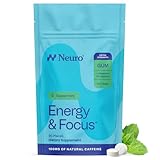
- Fast-Acting Nootropic - Our energy supplements deliver an extra boost of energy and clarity with a blend of natural caffeine, L-theanine, and vitamin b6 & b12. Your go-to chewing gum for work, exercise, and daily focus!
- Clean Energy - Each piece of our sugar free gum delivers 100mg of natural caffeine from green coffee beans for a smooth energy boost without crashes or jitters.
- The Perfect Balance - With 60mg of L-theanine per piece, our energy and focus formula promotes enhanced focus and stress reduction to smooth energy boosts.
- How to Use - Chew one piece of the caffeine gum whenever focus or energy is lacking. Ideal for mornings, pre-workout, or afternoon slumps. Effects typically kick in within minutes thanks to optimal absorption through the mouth.
- Made by Neuro, Backed by Science - At Neuro, we combine neuroscience with clean, science backed ingredients to help you do more, think better, and feel your best every single day.
What affects the result
- Caffeine Dosage: More coffee means more caffeine, increasing the chance of tightness. A double espresso hits different than a single drip.
- Individual Sensitivity: Some people are just wired to react more strongly to caffeine. Genetics play a part.
- Hydration Levels: Being dehydrated can make muscle issues worse. Water is key.
- Time of Day: Drinking coffee late might interfere with sleep, indirectly affecting muscle recovery.
- Other Stimulants: Combining coffee with other caffeine sources or stimulants amplifies the effect.
- Physical Activity: If you’re already tense from a workout, caffeine might add to it.
- Stress Levels: High stress makes your body more prone to muscle tension. Coffee can exacerbate this.
- Diet: Certain foods might interact with caffeine or affect your body’s ability to process it.
- Medications: Some drugs can interact with caffeine’s effects. Always check with your doc.
- Metabolism: How quickly your body breaks down caffeine varies from person to person.
- Brewer Type: While less direct, the brewing method can subtly affect the extraction and final composition of the coffee.
- Freshness of Beans: Stale beans might have slightly different chemical compounds, though this is usually a minor factor for tightness.
To combat potential dehydration and support muscle function, incorporating hydration supplements into your routine can be beneficial, especially if you’re a regular coffee drinker.

- FAST HYDRATION: Science-based electrolyte powder formula hydrates faster than water alone; useful to rehydrate on-the-go for athletes, sports, outdoor activities, travel, and hot days.
- ELECTROLYTE FORMULA: Delivers 3x electrolytes and half the sugar than leading sports drinks in a portable, easy-mix great tasting hydration powder.
- INGREDIENT-CONSCIOUS: Non-GMO, Gluten Free, Vegan, Soy-Free, Dairy-Free, and Kosher; includes potassium, magnesium, zinc, and vitamin C for added immune support, with natural colors from fruit and vegetable juices.
- SINGLE-SERVE CONVENIENCE: Includes 16 portable electrolyte packets that are easy to carry in a gym bag, backpack, purse, desk or pantry; a simple way to keep hydration packets on hand for daily use, workouts, commuting, and travel days.
- DELICIOUS FLAVOR: Men's Journal Fitness Award for the Best-Tasting Hydration Drink. Enjoy Watermelon, Berry, Lemon, and Orange flavors in one pouch. Mix 1 packet into 8 oz of water for on-the-go hydration.
Pros, cons, and when it matters
- Pro: Increased Alertness: Coffee helps you wake up and focus. Great for early mornings.
- Con: Muscle Tightness: Can lead to discomfort, stiffness, or even cramps. Not ideal for athletes in competition.
- Pro: Improved Mood: For many, coffee provides a welcome mood boost. A little swagger in your step.
- Con: Jitters and Anxiety: Too much caffeine can make you feel restless and on edge.
- Pro: Enhanced Physical Performance: Caffeine can boost endurance for some.
- Con: Digestive Issues: Can sometimes lead to stomach upset or heartburn.
- Pro: Social Ritual: Coffee breaks are a great way to connect.
- Con: Sleep Disruption: Drinking coffee too late can mess with your sleep cycle.
- Pro: Antioxidants: Coffee contains beneficial compounds.
- Con: Dependency: Regular use can lead to withdrawal symptoms like headaches.
- When it matters: If you have a physically demanding job or are an athlete, you’ll want to be mindful of potential tightness.
- When it matters: For desk jockeys, it might just be an annoying ache.
- When it matters: If you’re already dealing with chronic pain, adding caffeine might not be the best move.
Common misconceptions
- Myth: Coffee always causes muscle tightness. Nope. It depends on you and how much you drink.
- Myth: Only black coffee causes tightness. Any coffee with caffeine can. Lattes, cappuccinos, you name it.
- Myth: Decaf has zero effect. Decaf still has a small amount of caffeine. Usually not enough to cause issues, but it’s not zero.
- Myth: Tightness is a sign of a serious problem. Usually, it’s just a temporary reaction to caffeine.
- Myth: You can “sweat out” caffeine’s effects. Exercise helps general muscle health, but it doesn’t magically remove caffeine from your system.
- Myth: All coffee is the same. Different beans and roasts have varying caffeine levels.
- Myth: If you don’t feel jittery, you won’t get tight muscles. Muscle tension can happen without the obvious jitters.
- Myth: Coffee is inherently bad for muscles. It’s a stimulant; moderation is the key word.
- Myth: You need to stop coffee entirely. Often, reducing intake or adjusting timing is enough.
- Myth: Coffee dehydrates you severely. While it has a mild diuretic effect, plain water intake usually compensates.
FAQ
Q: Can drinking coffee before a workout make my muscles tight?
A: It’s possible. Caffeine can increase alertness and muscle readiness, which might feel like tightness for some, especially if you’re not well-hydrated.
Q: Is there a specific amount of coffee that triggers muscle tightness?
A: There’s no magic number. It varies a lot based on your personal sensitivity to caffeine and how much you’ve had.
Q: How can I tell if my muscle tightness is from coffee?
A: Pay attention to when it happens. If you notice tightness shortly after drinking coffee, and it eases up as the caffeine wears off, coffee is likely the culprit.
Q: What’s the best way to avoid coffee-induced muscle tightness?
A: Stay hydrated by drinking plenty of water alongside your coffee. Also, consider reducing your intake or opting for decaf.
If coffee-induced muscle tightness is a persistent issue, exploring coffee alternatives might be a good option. Many delicious options provide a similar ritual without the caffeine.

- CLOSE TO COFFEE TASTE: Experience a delightful Turkish-style sip with this coffee substitute; its flavor profile is made from healthy date seeds but resembles traditional coffee; perfect for those seeking a non coffee alternative
- CAFFEINE-FREE DELIGHT: Enjoy the rich aroma crafted from decaffeinated date seeds, you can enjoy the delicious taste of coffee without compromising on taste or experiencing side effects from caffeine
- VEGAN FRIENDLY CHOICE: Our herbal beverage is ideal for vegans or those following a plant-based diet; enjoy the closer-to-coffee taste without any animal products
- EASY TO MAKE: Our coffee alternative is made just like regular Turkish coffee; simply add one to two teaspoons of our ground Eastern Brew to your cezve filled with water for a perfect brew
- ORGANIC & HEALTHY: A healthy coffee alternative, date seeds are a natural source of antioxidants and polyphenols, which may help promote heart health; gluten-free, no artificial ingredients, colors, or flavors
Q: Can coffee affect muscle cramps?
A: For some people, caffeine’s stimulant effect might contribute to muscle cramping, especially if they’re already prone to them or dehydrated.
Q: Does the type of coffee matter (e.g., espresso vs. drip)?
A: The caffeine content can vary. Espresso shots are concentrated, but a large drip coffee might have more total caffeine. Both can contribute to tightness.
Q: Will stretching help if my muscles feel tight from coffee?
A: Gentle stretching can offer temporary relief. However, addressing the root cause by managing caffeine intake and staying hydrated is more effective long-term.
Q: Are there any supplements that can help with coffee-related muscle tightness?
A: Staying on top of your electrolytes and magnesium intake can support muscle function. But always check with a healthcare professional before starting new supplements.
What this page does NOT cover (and where to go next)
- Specific medical advice for chronic muscle pain conditions. Consult a doctor for diagnosis and treatment.
- Detailed nutritional breakdowns of different coffee bean varieties. Explore coffee blogs and specialty sites for that.
- Advanced brewing techniques for espresso machines. Look for guides focused on espresso calibration and maintenance.
- The precise chemical reactions of caffeine metabolism in the body. Scientific journals or advanced physiology resources would cover this.
- Comparisons of specific coffee brands or roasters. Seek out review sites or enthusiast forums.
- Legal or regulatory aspects of caffeine consumption. Government health websites or consumer protection agencies are good sources.