
Can Coffee Cause Muscle Twitches Or Spasms?
Quick answer
- For most people, coffee doesn’t directly cause persistent muscle twitches or spasms.
- Caffeine is a stimulant, and in sensitive individuals or high doses, it can lead to temporary jitters or minor twitching.
- Underlying health conditions or other lifestyle factors are more likely culprits for consistent muscle issues.
- If you’re experiencing frequent or severe twitches, it’s best to talk to a doctor.
- Reducing your caffeine intake might help if you suspect it’s a contributing factor for you.
Key terms and definitions
- Muscle Twitch: A sudden, involuntary, brief contraction of a small group of muscle fibers. Often feels like a flicker under the skin.
- Muscle Spasm: A more sustained and forceful involuntary contraction of a muscle or group of muscles. Can be painful.
- Caffeine: A natural stimulant found in coffee beans, tea leaves, and cocoa. It affects the central nervous system.
- Stimulant: A substance that increases the activity of the central nervous system, leading to increased alertness and energy.
- Central Nervous System (CNS): The brain and spinal cord. It controls most functions of the body.
- Electrolytes: Minerals in your body that have an electric charge, like sodium, potassium, and calcium. They are crucial for nerve and muscle function.
- Dehydration: A condition where your body loses more fluid than it takes in, impacting bodily functions.
- Neuromuscular Junction: The specific site where a nerve cell communicates with a muscle cell.
- Myoclonus: A sudden, involuntary muscle jerk or spasm. This is a more general term that includes twitches.
- Benign Fasciculation Syndrome (BFS): A condition characterized by widespread muscle twitches and fasciculations without any underlying disease.
How it works
- Coffee contains caffeine, a known stimulant.
- Caffeine works by blocking adenosine, a neurotransmitter that makes you feel tired.
- This blockage increases the activity of other neurotransmitters, like dopamine and norepinephrine.
- Increased neurotransmitter activity can lead to heightened nerve excitability throughout the body.
- This heightened excitability can, in some cases, manifest as minor, temporary muscle twitches.
- It’s like turning up the volume on your nervous system a notch.
- For most people, this effect is mild and short-lived.
- The body metabolizes caffeine, and its effects typically wear off within a few hours.
- However, individual sensitivity to caffeine varies greatly.
- Some folks are just wired differently, and even a little can make them feel keyed up.
If you’re looking to manage your caffeine intake precisely, consider caffeine supplements for controlled dosing.
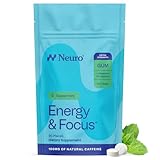
- Fast-Acting Nootropic - Our energy supplements deliver an extra boost of energy and clarity with a blend of natural caffeine, L-theanine, and vitamin b6 & b12. Your go-to chewing gum for work, exercise, and daily focus!
- Clean Energy - Each piece of our sugar free gum delivers 100mg of natural caffeine from green coffee beans for a smooth energy boost without crashes or jitters.
- The Perfect Balance - With 60mg of L-theanine per piece, our energy and focus formula promotes enhanced focus and stress reduction to smooth energy boosts.
- How to Use - Chew one piece of the caffeine gum whenever focus or energy is lacking. Ideal for mornings, pre-workout, or afternoon slumps. Effects typically kick in within minutes thanks to optimal absorption through the mouth.
- Made by Neuro, Backed by Science - At Neuro, we combine neuroscience with clean, science backed ingredients to help you do more, think better, and feel your best every single day.
What affects the result
- Caffeine Dosage: The more caffeine you consume, the higher the chance of experiencing stimulant-related effects. A double espresso versus a single cup makes a difference.
- Individual Sensitivity: Some people are genetically more sensitive to caffeine’s effects. What bothers one person might not touch another.
- Hydration Levels: Dehydration can sometimes exacerbate muscle issues, and it can also affect how your body processes caffeine. Staying hydrated is key.
- Electrolyte Balance: Imbalances in electrolytes like potassium or magnesium can contribute to muscle cramps and twitches.
- Sleep Quality: Poor sleep can increase stress and fatigue, making your nervous system more prone to overreacting.
- Stress and Anxiety: High stress levels can trigger physiological responses, including muscle tension and twitches, independent of coffee.
- Medications: Certain medications can have side effects that include muscle twitching or increased sensitivity to stimulants. Always check with your doc.
- Underlying Medical Conditions: Conditions like thyroid issues, nerve disorders, or certain deficiencies can cause muscle twitches.
- Grind Size (Indirectly): While not directly related to twitching, the grind size affects extraction, which can influence the final caffeine content and flavor of your brew.
- Brewing Method: Different brewing methods can yield slightly different caffeine concentrations. A cold brew might feel smoother than a quick pour-over.
- Freshness of Beans: Older beans might have lost some volatile compounds, but the caffeine content remains largely stable.
- Time of Day: Consuming coffee late in the day can disrupt sleep, indirectly leading to increased twitching later.
Maintaining proper hydration is crucial; hydration tablets can help ensure you’re getting essential electrolytes, especially if you’re active or consuming diuretics like coffee.

- CHEWABLE ELECTROLYTE TABLETS: Delicious and chewable bite-sized electrolyte tablets packed with sodium, potassium, calcium, and magnesium: the main electrolytes lost through sweat.
- ELECTROLYTES THAT WORK FAST: These electrolyte chews are designed to absorb quickly, faster than the leading sports drink or electrolyte powders. Just chew it and feel the difference.
- CLEAN AND SIMPLE INGREDIENTS: Sodium, Potassium, Calcium, and Magnesium, No Artificial Colors or Sweeteners. Non-GMO, Vegan, Allergen Free. SaltStick FastChews is a dietary supplement and does not cure, mitigate, treat or prevent any disease.
- HOW TO USE: Just Chew It! Similar to a sweet tart. Simply chew 2 tablets every 30 minutes during exercise. Drink water as needed.
- SPORT ELECTROLYTE SUPPLEMENTS: For all workouts and sports when you sweat, from marathon training to hot yoga and hiking to cycling. Use any time fast acting electrolytes are needed.
Pros, cons, and when it matters
- Pro: Increased alertness and focus from caffeine. This is why most of us drink it, right?
- Con: Potential for temporary jitters or mild muscle twitching in sensitive individuals or with high intake.
- Pro: Coffee is packed with antioxidants, which are good for overall health.
- Con: Can disrupt sleep if consumed too late in the day, leading to secondary issues like fatigue and increased twitching.
- Pro: Social ritual and enjoyment of flavor. A good cup is a mood booster.
- Con: Can cause digestive upset in some people.
- Pro: Can boost physical performance for some athletes.
- Con: May lead to dependency, with withdrawal symptoms like headaches if you stop abruptly.
- Pro: Relatively inexpensive way to start the day.
- Con: Overconsumption can lead to anxiety and nervousness.
- Pro: Many different brewing methods offer variety and customization.
- Con: If you have specific medical conditions, caffeine might be ill-advised. Always consult your physician.
- Pro: The taste and aroma are incredibly satisfying.
- Con: The link to muscle twitches is generally weak and often overshadowed by other factors.
Common misconceptions
- Myth: Coffee always causes muscle twitches.
- Reality: For most people, moderate coffee consumption has no noticeable effect on muscles.
- Myth: Muscle twitches are a sign of serious nerve damage caused by coffee.
- Reality: Minor, temporary twitches are usually benign and not indicative of serious issues.
- Myth: Only highly caffeinated drinks cause twitches.
- Reality: Even a single cup can cause issues in very sensitive individuals.
- Myth: You need to drink a lot of coffee to experience any side effects.
- Reality: Sensitivity varies wildly. Some feel it with just a bit.
- Myth: Muscle twitches are always a sign of caffeine overload.
- Reality: Many other factors, like stress, sleep, and diet, play a bigger role.
- Myth: Dehydration from coffee causes muscle cramps.
- Reality: Coffee has a mild diuretic effect, but it’s generally not enough to cause significant dehydration in regular drinkers.
- Myth: All muscle twitches mean something is wrong.
- Reality: Benign fasciculations (twitches) are very common and often go unnoticed.
- Myth: Black coffee is worse than coffee with milk for causing twitches.
- Reality: The caffeine content is the primary driver, not the additions.
FAQ
Q: Can coffee cause my eyelids to twitch?
A: Yes, it’s possible. Eyelid twitches, or myokymia, are often linked to fatigue, stress, and yes, caffeine consumption. It’s usually temporary.
Q: If I get muscle twitches, should I stop drinking coffee immediately?
A: Not necessarily. Try reducing your intake first and see if that helps. If twitches persist or are severe, consult a doctor.
Q: Are decaf coffees safe if I’m worried about caffeine and twitches?
A: Decaf still has a small amount of caffeine. For most people, this is negligible, but if you’re extremely sensitive, even trace amounts might matter.
Q: How much caffeine is too much for muscle twitching?
A: There’s no exact number, as it depends heavily on individual sensitivity. What causes jitters in one person might be fine for another.
Q: Can coffee cause muscle spasms, not just twitches?
A: It’s less common for coffee alone to cause significant muscle spasms. Spasms are usually related to more serious issues like electrolyte imbalances or nerve problems.
Q: What other drinks have caffeine that might cause similar effects?
A: Tea, energy drinks, soda, and even chocolate contain caffeine and could potentially lead to similar stimulant-related effects.
Q: If I’m experiencing persistent muscle twitches, what should I do?
A: See a healthcare professional. They can help rule out any underlying medical conditions and provide personalized advice.
Q: Does the type of coffee bean affect its twitch-inducing potential?
A: Not directly. The caffeine content is similar across most bean types, though roasting can slightly alter it. The brewing method has a bigger impact on the final caffeine concentration.
What this page does NOT cover (and where to go next)
- Specific medical diagnoses for muscle twitching or spasms. Consult a physician for any persistent or severe symptoms.
- Detailed nutritional breakdowns of coffee or its impact on specific vitamins and minerals.
- Comparisons of specific coffee machine brands or brewing equipment.
- Advanced brewing techniques for optimizing flavor profiles.
- The chemical compounds in coffee beyond caffeine and their physiological effects.