
The Link Between Coffee and Unwanted Muscle Twitches
Quick answer
- Caffeine, a stimulant found in coffee, can affect the nervous system.
- Excessive caffeine intake can lead to increased alertness and, for some, a jittery feeling that may include muscle twitches.
- Individual sensitivity to caffeine varies greatly.
- If you experience persistent or concerning muscle twitches, it’s advisable to consult a healthcare professional.
- Reducing your coffee consumption is a common way to manage caffeine-induced twitches.
- Other factors like sleep, hydration, and stress also play a role in muscle function.
Key terms and definitions
- Caffeine: A naturally occurring stimulant found in coffee beans, tea leaves, and other plants, known for its ability to increase alertness and energy.
- Stimulant: A substance that increases the activity of the central nervous system and the body, often leading to increased heart rate, blood pressure, and energy levels.
- Nervous System: The body’s complex network of nerves and cells that transmit signals between different parts of the body, controlling everything from muscle movement to thought processes.
- Neurotransmitter: Chemical messengers that transmit signals from a neuron across a synapse to a target cell, which can be another neuron, muscle cell, or gland cell.
- Adenosine Receptor: A type of receptor in the brain that caffeine blocks, preventing the neurotransmitter adenosine from binding and promoting wakefulness.
- Muscle Twitch (Fasciculation): A small, involuntary contraction of a muscle fiber or a group of muscle fibers, often visible under the skin.
- Electrolyte: Minerals in your body that have an electric charge, such as sodium, potassium, and calcium, which are essential for nerve and muscle function.
- Dehydration: A condition where the body loses more fluid than it takes in, which can affect various bodily functions, including muscle and nerve signaling.
- Anxiety: A feeling of worry, nervousness, or unease, typically about an imminent event or something with an uncertain outcome, which can manifest physically.
- Benign Fasciculation Syndrome: A condition characterized by frequent, widespread muscle twitches that are not indicative of a serious underlying medical problem.
How it works
- Coffee contains caffeine, a natural stimulant that affects your central nervous system.
- Caffeine works by blocking adenosine receptors in your brain. Adenosine is a neurotransmitter that promotes relaxation and sleepiness.
- By blocking adenosine, caffeine increases the release of excitatory neurotransmitters like dopamine and norepinephrine.
- These neurotransmitters can increase neuronal firing rates, essentially making your nerves more active.
- This heightened neural activity can sometimes translate to increased muscle excitability.
- For some individuals, this increased excitability can manifest as involuntary muscle contractions, commonly known as muscle twitches or fasciculations.
- The effect is more pronounced when caffeine intake is high or when an individual is particularly sensitive to its effects.
- Your body metabolizes caffeine at different rates, meaning the duration of its effects can vary significantly from person to person.
If you’re looking for a way to manage your caffeine intake more precisely, consider using controlled-dose caffeine supplements. This can help you understand your body’s reaction to specific amounts of caffeine.
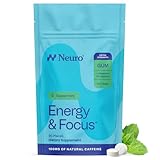
- Fast-Acting Nootropic - Our energy supplements deliver an extra boost of energy and clarity with a blend of natural caffeine, L-theanine, and vitamin b6 & b12. Your go-to chewing gum for work, exercise, and daily focus!
- Clean Energy - Each piece of our sugar free gum delivers 100mg of natural caffeine from green coffee beans for a smooth energy boost without crashes or jitters.
- The Perfect Balance - With 60mg of L-theanine per piece, our energy and focus formula promotes enhanced focus and stress reduction to smooth energy boosts.
- How to Use - Chew one piece of the caffeine gum whenever focus or energy is lacking. Ideal for mornings, pre-workout, or afternoon slumps. Effects typically kick in within minutes thanks to optimal absorption through the mouth.
- Made by Neuro, Backed by Science - At Neuro, we combine neuroscience with clean, science backed ingredients to help you do more, think better, and feel your best every single day.
What affects the result
- Caffeine Dosage: The amount of coffee consumed directly correlates with the amount of caffeine ingested. Higher doses are more likely to trigger side effects.
- Individual Sensitivity: People metabolize caffeine differently due to genetic factors. Some are highly sensitive, while others can consume large amounts with minimal effects.
- Brewing Method: Different brewing methods can extract varying amounts of caffeine. For example, espresso typically has more caffeine per ounce than drip coffee.
- Coffee Bean Type: Robusta beans generally contain more caffeine than Arabica beans.
- Freshness of Coffee: While less directly related to twitches, the freshness of your coffee impacts flavor and aroma, which can influence your overall experience and consumption habits.
- Hydration Levels: Dehydration can sometimes exacerbate muscle cramps and twitches, and caffeine itself can have a mild diuretic effect, potentially contributing if fluid intake is insufficient.
- Sleep Quality: Lack of sleep can increase stress on the body and make you more susceptible to the stimulant effects of caffeine, potentially leading to twitches.
- Stress and Anxiety: High levels of stress or anxiety can amplify the body’s “fight or flight” response, making you more prone to jitters and muscle twitches, especially when combined with caffeine.
- Electrolyte Balance: Imbalances in electrolytes like potassium, calcium, and magnesium can affect nerve and muscle function, potentially making twitches more noticeable.
- Medications: Certain medications can interact with caffeine or affect neurotransmitter levels, potentially influencing the likelihood of muscle twitches.
- Underlying Health Conditions: While not common, some neurological or metabolic conditions can cause muscle twitches, and caffeine might seem to worsen them in those cases.
- Time of Consumption: Consuming coffee late in the day can disrupt sleep, indirectly contributing to issues that might manifest as twitches.
Pros, cons, and when it matters
- Pro: Increased Alertness and Focus. Coffee can significantly improve concentration and reduce fatigue, which is beneficial for demanding tasks.
- Con: Potential for Muscle Twitches. For sensitive individuals, caffeine can overstimulate the nervous system, leading to involuntary muscle spasms.
- Pro: Enhanced Physical Performance. Caffeine is a known ergogenic aid, potentially improving endurance and strength during exercise.
- Con: Jitters and Anxiety. Excessive caffeine can cause nervousness, restlessness, and heightened anxiety, which can be unpleasant.
- Pro: Antioxidant Properties. Coffee contains antioxidants that may contribute to overall health.
- Con: Sleep Disruption. Consuming coffee, especially later in the day, can interfere with sleep patterns, leading to fatigue and potentially other health issues.
- Pro: Social and Ritualistic Enjoyment. Coffee culture offers a sense of community and a comforting daily ritual for many.
- Con: Dependency. Regular high consumption can lead to caffeine dependence, with withdrawal symptoms like headaches and fatigue if intake is stopped.
- Pro: Improved Mood. Caffeine can temporarily boost mood and combat feelings of depression.
- Con: Digestive Issues. For some, coffee can trigger heartburn or upset stomach.
- When it Matters: If you are preparing for a critical task requiring focus, a moderate amount might be helpful. However, if you are already prone to anxiety or have a history of sleep problems, you might want to limit your intake.
- When it Matters: During intense physical activity, moderate caffeine can be a performance enhancer. But if you notice it exacerbates jitters or leads to muscle cramps, it might be counterproductive.
- When it Matters: If you are experiencing persistent muscle twitches and suspect coffee is a factor, reducing or eliminating it is a good first step to see if symptoms improve.
Common misconceptions
- Misconception: All muscle twitches are a sign of a serious medical condition.
- Reality: Many muscle twitches are benign and temporary, often caused by factors like fatigue, stress, or caffeine.
- Misconception: Caffeine is the only cause of muscle twitches.
- Reality: While caffeine is a common trigger, muscle twitches can also be caused by dehydration, electrolyte imbalances, lack of sleep, anxiety, and certain medications.
- Misconception: Decaf coffee has no caffeine and therefore no effect on muscle twitches.
- Reality: Decaffeinated coffee still contains a small amount of caffeine, which might be enough to affect very sensitive individuals.
- Misconception: You need to drink a lot of coffee to experience side effects like twitches.
- Reality: Individual sensitivity varies greatly. For some, even a single cup can be enough to trigger a reaction.
- Misconception: Muscle twitches from coffee are permanent.
- Reality: For most people, caffeine-induced muscle twitches are temporary and resolve once caffeine levels in the body decrease.
- Misconception: Muscle twitches are always visible.
- Reality: Some twitches are so small they are only felt by the individual, not visible to others.
- Misconception: Coffee is inherently bad for your nervous system.
- Reality: In moderation, coffee and caffeine can have positive effects on alertness and cognitive function for many people. The issue arises with excessive consumption or individual sensitivity.
- Misconception: If you get muscle twitches, you must stop drinking coffee forever.
- Reality: Many people can enjoy coffee by moderating their intake, choosing lower-caffeine options, or adjusting their consumption habits.
FAQ
Q: Can too much coffee make me have muscle twitches?
A: Yes, excessive caffeine intake can overstimulate your nervous system, potentially leading to involuntary muscle contractions or twitches in some individuals.
Q: How much coffee is considered “too much” for muscle twitches?
A: This varies greatly depending on individual sensitivity. For some, even one cup might be enough, while others can consume several without issue. There’s no single universal amount.
Q: What should I do if I think coffee is causing my muscle twitches?
A: Try reducing your coffee consumption gradually. Pay attention to whether the twitches decrease or disappear as your caffeine intake lowers.
Q: Are muscle twitches from coffee dangerous?
A: Generally, muscle twitches caused by caffeine are not dangerous and are temporary. However, if they are persistent, severe, or accompanied by other concerning symptoms, consult a doctor.
Q: Can decaf coffee cause muscle twitches?
A: Decaf coffee still contains trace amounts of caffeine. While much lower, it’s possible that highly sensitive individuals might still experience twitches from decaf.
Q: What other factors besides coffee can cause muscle twitches?
A: Other common causes include stress, anxiety, lack of sleep, dehydration, electrolyte imbalances, and certain medications.
Q: How long do coffee-induced muscle twitches typically last?
A: They usually last as long as the caffeine is active in your system, which can be several hours. They should resolve once the caffeine wears off.
Q: Is there a way to enjoy coffee without getting muscle twitches?
A: You can try drinking less coffee, opting for lighter roasts (which may have slightly less caffeine), or switching to decaf. Staying well-hydrated and managing stress can also help.
Q: Should I see a doctor about my muscle twitches?
A: It’s a good idea to consult a healthcare professional if your muscle twitches are frequent, widespread, painful, or if you have other symptoms like weakness or numbness.
What this page does NOT cover (and where to go next)
- Specific medical diagnoses for muscle twitching.
- Detailed nutritional advice on electrolyte replacement.
- Recommendations for specific coffee brands or caffeine levels.
- In-depth analysis of neurological disorders causing muscle spasms.
- Legal or regulatory information regarding caffeine content in beverages.