
Does Coffee Cause Muscle Stiffness?
Quick answer
- For most people, coffee does not directly cause muscle stiffness.
- Caffeine, a stimulant in coffee, can increase alertness and energy.
- Some individuals may experience temporary muscle tremors or jitters from caffeine, which could be misinterpreted as stiffness.
- Dehydration, which can be exacerbated by caffeine’s mild diuretic effect, is a more common cause of muscle stiffness.
- Focusing on hydration and listening to your body is key to managing muscle discomfort.
- If you experience persistent or severe muscle stiffness after consuming coffee, it’s worth consulting a healthcare professional.
Key terms and definitions
- Muscle Stiffness: A sensation of tightness or resistance in muscles, often accompanied by discomfort or reduced range of motion.
- Caffeine: A natural stimulant found in coffee beans, tea leaves, and cocoa beans, known for its ability to increase alertness and reduce fatigue.
- Diuretic: A substance that promotes the production of urine, potentially leading to increased fluid loss.
- Dehydration: A condition where the body loses more fluid than it takes in, affecting bodily functions.
- Electrolytes: Minerals in your body that carry an electric charge, such as sodium, potassium, and calcium, crucial for muscle function.
- Adenosine: A neurotransmitter that promotes relaxation and sleepiness; caffeine blocks its receptors.
- Jitters: A feeling of nervousness, trembling, or shakiness, often associated with consuming too much caffeine.
- Inflammation: The body’s natural response to injury or infection, which can contribute to muscle soreness and stiffness.
- Aerobic Exercise: Physical activity that increases heart rate and breathing for a sustained period.
- Hydration: The process of supplying water to the body to maintain proper fluid balance.
How it works
- Coffee contains caffeine, a psychoactive stimulant that affects the central nervous system.
- Caffeine works by blocking adenosine receptors in the brain, which reduces feelings of tiredness.
- This blockade can lead to increased alertness and a temporary boost in energy levels.
- In some sensitive individuals, high doses of caffeine can trigger a “fight or flight” response.
- This response can cause increased heart rate, blood pressure, and muscle tension.
- The increased muscle tension, though usually temporary, might be perceived as stiffness.
- Caffeine also has a mild diuretic effect, meaning it can increase urine production.
- While this effect is generally minor for regular coffee drinkers, it can contribute to fluid loss if not compensated for with adequate water intake.
- Dehydration is a well-known cause of muscle cramps and stiffness, as it affects muscle function and flexibility.
- Therefore, any perceived stiffness from coffee is more likely linked to hydration status or individual caffeine sensitivity rather than a direct muscular effect.
Dehydration is a well-known cause of muscle cramps and stiffness, as it affects muscle function and flexibility. If you’re concerned about staying hydrated, especially with coffee’s mild diuretic effect, consider a hydration supplement to help maintain your fluid balance.

- FAST HYDRATION: Science-based electrolyte powder formula hydrates faster than water alone; useful to rehydrate on-the-go for athletes, sports, outdoor activities, travel, and hot days.
- ELECTROLYTE FORMULA: Delivers 3x electrolytes and half the sugar than leading sports drinks in a portable, easy-mix great tasting hydration powder.
- INGREDIENT-CONSCIOUS: Non-GMO, Gluten Free, Vegan, Soy-Free, Dairy-Free, and Kosher; includes potassium, magnesium, zinc, and vitamin C for added immune support, with natural colors from fruit and vegetable juices.
- SINGLE-SERVE CONVENIENCE: Includes 16 portable electrolyte packets that are easy to carry in a gym bag, backpack, purse, desk or pantry; a simple way to keep hydration packets on hand for daily use, workouts, commuting, and travel days.
- DELICIOUS FLAVOR: Men's Journal Fitness Award for the Best-Tasting Hydration Drink. Enjoy Watermelon, Berry, Lemon, and Orange flavors in one pouch. Mix 1 packet into 8 oz of water for on-the-go hydration.
What affects the result
- Individual Caffeine Sensitivity: Some people are genetically predisposed to metabolize caffeine slower, making them more susceptible to its stimulating effects, including potential jitters or tension.
- Dosage of Coffee: Consuming large amounts of coffee, especially in a short period, increases the likelihood of experiencing side effects like jitters, which could be mistaken for stiffness.
- Hydration Levels: If you are already dehydrated, the mild diuretic effect of coffee can worsen fluid loss, leading to or exacerbating muscle stiffness.
- Type of Coffee Bean and Roast: While subtle, different beans and roast levels can contain slightly varying amounts of caffeine and other compounds that might influence individual reactions.
- Brewing Method: The way coffee is brewed can affect the extraction of compounds. For example, cold brew might have a different acidity profile than drip coffee.
- Time of Consumption: Drinking coffee late in the day can disrupt sleep, and poor sleep can contribute to muscle fatigue and stiffness.
- Dietary Factors: Consuming coffee alongside certain foods or at specific times might influence its absorption or effect on the body.
- Physical Activity Level: If you engage in strenuous physical activity, your muscles are already prone to soreness and stiffness, and any additional stressor like caffeine jitters could feel more pronounced.
- Stress and Anxiety Levels: Pre-existing stress or anxiety can be amplified by caffeine, potentially leading to increased muscle tension.
- Medications: Certain medications can interact with caffeine, altering its effects or intensifying side effects.
- Overall Health Status: Underlying health conditions, particularly those affecting the nervous or muscular systems, could influence how your body responds to coffee.
- Water Intake: Consistently drinking enough water throughout the day is crucial to counteract any potential dehydrating effects of coffee and maintain muscle health.
Individual caffeine sensitivity plays a significant role in how your body reacts to coffee. If you’re looking to manage your caffeine intake precisely or experiment with its effects, caffeine supplements offer a controlled way to do so.
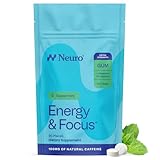
- Fast-Acting Nootropic - Our energy supplements deliver an extra boost of energy and clarity with a blend of natural caffeine, L-theanine, and vitamin b6 & b12. Your go-to chewing gum for work, exercise, and daily focus!
- Clean Energy - Each piece of our sugar free gum delivers 100mg of natural caffeine from green coffee beans for a smooth energy boost without crashes or jitters.
- The Perfect Balance - With 60mg of L-theanine per piece, our energy and focus formula promotes enhanced focus and stress reduction to smooth energy boosts.
- How to Use - Chew one piece of the caffeine gum whenever focus or energy is lacking. Ideal for mornings, pre-workout, or afternoon slumps. Effects typically kick in within minutes thanks to optimal absorption through the mouth.
- Made by Neuro, Backed by Science - At Neuro, we combine neuroscience with clean, science backed ingredients to help you do more, think better, and feel your best every single day.
Pros, cons, and when it matters
- Pro: Increased Alertness: Coffee’s caffeine content is a well-known stimulant that can improve focus and reduce fatigue, making it beneficial for tasks requiring sustained concentration. This matters for work, studying, or driving.
- Con: Jitters and Tremors: For some, particularly those sensitive to caffeine or consuming high doses, coffee can lead to jitters, shakiness, and a feeling of being on edge, which might be interpreted as muscle stiffness. This matters if you have a demanding task requiring fine motor skills.
- Pro: Enhanced Physical Performance: Caffeine can improve endurance and reduce perceived exertion during exercise, making workouts feel easier. This matters for athletes or those engaged in regular physical training.
- Con: Potential for Dehydration: While mild, caffeine is a diuretic. If fluid intake isn’t sufficient, this can contribute to dehydration, a common cause of muscle cramps and stiffness. This matters during hot weather or prolonged physical activity.
- Pro: Antioxidant Properties: Coffee contains antioxidants that may offer health benefits, such as reducing the risk of certain diseases. This matters for long-term health and well-being.
- Con: Sleep Disruption: Consuming coffee too close to bedtime can interfere with sleep quality, and poor sleep is linked to increased muscle soreness and fatigue. This matters if you struggle with sleep or have an early morning routine.
- Pro: Social and Ritualistic Enjoyment: Coffee drinking is a significant social and personal ritual for many, offering comfort and connection. This matters for mental well-being and social interaction.
- Con: Digestive Issues: For some, coffee can cause stomach upset or acid reflux, which can indirectly affect overall comfort and potentially muscle tension due to discomfort. This matters if you have a sensitive digestive system.
- Pro: Mood Enhancement: Caffeine can temporarily boost mood and reduce the risk of depression in some individuals. This matters for mental health.
- Con: Dependency and Withdrawal: Regular consumption can lead to caffeine dependence, with withdrawal symptoms like headaches and fatigue if intake is stopped suddenly. This matters if you are considering reducing your intake.
- Pro: Improved Cognitive Function: Beyond alertness, caffeine can temporarily enhance certain aspects of cognitive function, such as memory and reaction time. This matters for cognitive performance.
- Con: Exacerbation of Anxiety: In individuals prone to anxiety, caffeine can heighten feelings of nervousness and unease, potentially leading to increased muscle tension. This matters if you experience anxiety disorders.
Common misconceptions
- Misconception: Coffee directly causes muscle cramps. While dehydration, which can be slightly influenced by caffeine’s diuretic effect, is a cause of cramps, coffee itself doesn’t directly trigger muscle spasms in most people.
- Misconception: All coffee drinkers will feel stiff. Individual responses to caffeine vary greatly. Many people drink coffee daily without experiencing any muscle stiffness.
- Misconception: Black coffee is the sole culprit. The additives in coffee, such as sugar and cream, can have their own effects on the body, and it’s not always the coffee itself causing discomfort.
- Misconception: Caffeine is the only active ingredient causing issues. Coffee contains hundreds of compounds, and while caffeine is the most prominent stimulant, other elements might play a minor role in individual reactions.
- Misconception: If you feel stiff after coffee, you must avoid it entirely. Often, adjusting the amount consumed, improving hydration, or shifting consumption time can resolve the issue without complete avoidance.
- Misconception: Muscle stiffness is always a sign of a serious problem. In the context of coffee consumption, it’s usually a minor, temporary side effect related to hydration or caffeine sensitivity.
- Misconception: Coffee always dehydrates you. For regular coffee drinkers, the body often develops a tolerance to caffeine’s diuretic effect, and the water in the coffee contributes to fluid intake.
- Misconception: Coffee makes your muscles rigid like a statue. The sensation, if it occurs, is usually mild tension or jitters, not a literal hardening of muscles.
- Misconception: Decaf coffee is completely free of side effects. While decaffeinated coffee has significantly less caffeine, trace amounts remain, and other compounds in coffee can still affect some individuals.
- Misconception: Muscle stiffness after coffee is a sign of poor circulation. While caffeine can temporarily affect blood flow, it’s not typically the primary cause of stiffness in this scenario; dehydration or jitters are more common culprits.
FAQ
Q: Can coffee cause my muscles to feel tight?
A: For most people, coffee does not directly cause muscle tightness. However, caffeine can cause jitters or a temporary increase in muscle tension in sensitive individuals, which might feel like tightness.
Q: Is it my coffee or am I just dehydrated?
A: Dehydration is a very common cause of muscle stiffness and cramps. While coffee has a mild diuretic effect, it’s often not enough to cause dehydration on its own, especially if you’re drinking enough water. It’s more likely dehydration is the primary cause if you’re not drinking enough fluids throughout the day.
Q: How much coffee is too much before it might cause stiffness?
A: This varies greatly by individual. Some people are very sensitive and might feel jittery after one cup, while others can drink several without issue. Generally, consuming more than 400 milligrams of caffeine (about 4 cups of brewed coffee) per day can lead to side effects for most adults.
Q: Should I stop drinking coffee if I sometimes feel stiff after it?
A: Not necessarily. Try reducing your intake, ensuring you’re well-hydrated throughout the day, and avoiding coffee close to bedtime. If the stiffness persists or is bothersome, consult a healthcare provider.
Q: Does adding milk or sugar to coffee change its effect on muscles?
A: While milk and sugar don’t directly cause muscle stiffness, they can affect digestion and overall well-being. Some people might experience discomfort from these additions, which could indirectly influence their perception of muscle tension.
Q: What are the signs of caffeine sensitivity related to muscles?
A: Signs include jitters, trembling hands, or a general feeling of restlessness and muscle tension shortly after consuming coffee. This is usually temporary and resolves as the caffeine wears off.
Q: Are there any specific types of coffee that are more likely to cause stiffness?
A: The caffeine content can vary between coffee types and brewing methods. Stronger brews or espresso might have higher concentrations of caffeine, potentially leading to more pronounced effects in sensitive individuals.
Q: What’s the best way to stay hydrated if I drink coffee?
A: The simplest way is to drink a glass of water alongside your coffee. Also, ensure you’re drinking plenty of water throughout the rest of the day to maintain optimal fluid balance.
What this page does NOT cover (and where to go next)
- Specific medical conditions that cause muscle stiffness. If you have persistent or severe muscle stiffness, consult a doctor.
- Detailed nutritional breakdowns of coffee or its compounds. For this information, refer to health and nutrition resources.
- Recommended daily caffeine limits for specific medical conditions or age groups. Consult a healthcare professional for personalized advice.
- The effects of other stimulants or beverages on muscle stiffness. Explore resources on general wellness and hydration.
- In-depth analysis of athletic performance enhancement through caffeine. Seek out sports science or performance coaching resources.